





NRI PULSE STAFF REPORT
Washington, DC, July 29, 2026 — A newly introduced bill in the U.S. Senate is renewing debate over the future of the H-1B visa program, proposing a three-year suspension of new H-1B visas and sweeping reforms that could significantly affect Indian professionals, U.S. technology companies, and the outsourcing industry. However, the legislation faces significant hurdles before it can become law, including approval by both chambers of Congress and the President.
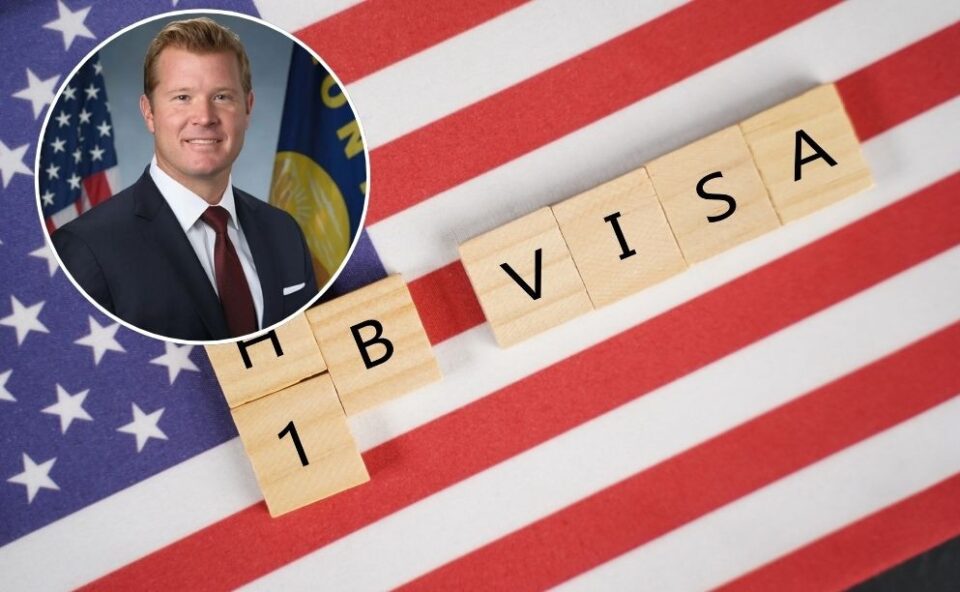
Sen. Tim Sheehy (R-Mont.) introduced the End H-1B Abuse Act of 2026 on July 23, calling for what he described as a major overhaul of the employment-based visa program. The legislation follows a companion bill introduced in the House of Representatives by Rep. Eli Crane (R-Ariz.) on April 22.
If enacted, the bill would pause the issuance of new H-1B visas for three years before permanently restructuring the program. Among its key provisions are replacing the current lottery system with a wage-based selection process, raising the minimum salary threshold for most H-1B workers to approximately $200,000 annually, banning third-party placement of H-1B workers, restricting concurrent H-1B employment, and strengthening employer compliance requirements.
Supporters of the measure argue that the current system allows employers to replace qualified American workers with lower-paid foreign labor and has been exploited by large outsourcing firms. The proposed reforms, they say, would prioritize the highest-skilled and highest-paid professionals while protecting U.S. jobs.
The proposal could have far-reaching implications for Indian nationals, who receive the overwhelming majority of H-1B visas each year. Indian IT services companies, including TCS, Infosys, Wipro, HCLTech, and Cognizant, could also face significant operational challenges if the legislation becomes law.
The bill has attracted renewed attention following a recent federal court ruling blocking the Trump administration’s attempt to impose a $100,000 fee on new H-1B petitions. Supporters of the legislation argue that broader statutory changes are needed to reform the visa program.
Despite the publicity surrounding the proposal, immigration experts note that the legislation faces significant hurdles. It must first advance through congressional committees before being approved by both the Senate and House of Representatives and signed by the President.
Similar efforts to substantially restrict the H-1B program have been introduced in previous sessions of Congress but have failed to gain sufficient support to become law.
For now, the H-1B program remains unchanged, and U.S. Citizenship and Immigration Services continues to process petitions under existing immigration law.
