



NRI PULSE STAFF REPORT
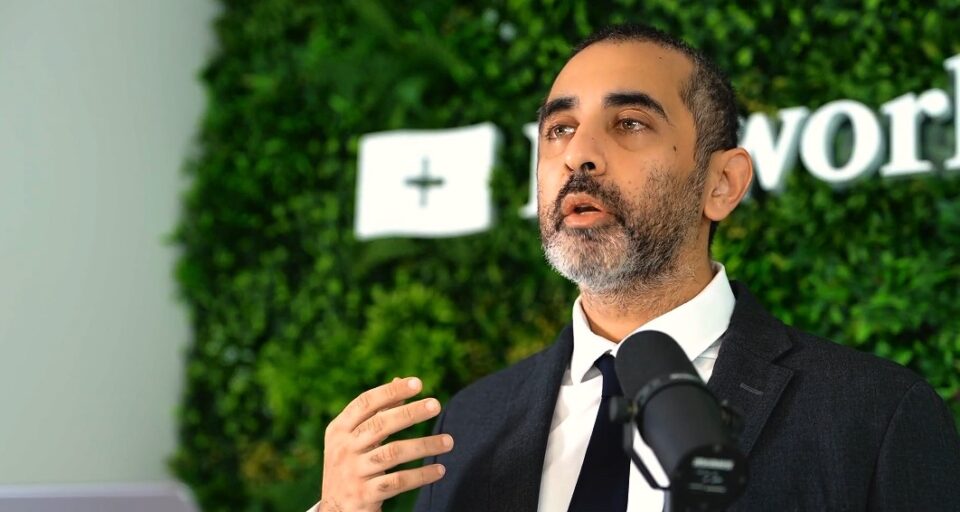
Network School, the experimental technology community founded by Indian-American entrepreneur and former Coinbase Chief Technology Officer Balaji Srinivasan, is relocating its flagship campus to Kazakhstan after Malaysian authorities revoked its operating license following weeks of controversy over the project’s presence in the country.
Srinivasan announced on X that Network School has signed a memorandum of understanding (MoU) with the Republic of Kazakhstan to establish a new campus.
“Our new campus will become a haven for global techno-optimism, with expedited visas, streamlined redomiciliation, and active recruitment of talent,” he wrote.
The move comes days after the Johor state government revoked Network School’s business license, despite an earlier immigration investigation that found all 266 foreign residents inspected possessed valid travel documents.
The controversy began after anonymous social media posts alleged that Network School was harboring illegal foreign residents, including Israeli nationals. Malaysia, which does not have diplomatic relations with Israel, launched an immigration investigation into the Forest City campus.
After inspecting hundreds of passports, immigration officials announced there were no violations. However, Johor authorities later revoked the project’s business license, citing licensing and premises-use compliance issues.
Before the license was revoked, Srinivasan published a lengthy open letter addressed to Malaysian Prime Minister Anwar Ibrahim, questioning whether global technology companies should continue investing in the country.
“Should the global tech community continue investing in Malaysia?” Srinivasan wrote, saying the answer would be closely watched by executives and investors at companies including Google, Amazon, Apple, Microsoft, Coinbase, Solana, Andreessen Horowitz (a16z), and Polychain Capital.
Srinivasan said he launched Network School in Malaysia in October 2024 after being encouraged by the country’s pro-technology policies, including the KL20 initiative, digital nomad visas, investor visa programs, and the Johor-Singapore Special Economic Zone.
He said the project transformed vacant space in Forest City into an international technology hub that attracted thousands of entrepreneurs, engineers, investors, and builders from more than 70 countries.
“Without a single penny of government money, we built Network School into a global attraction that brought thousands of engineers, investors, and builders from 70-plus countries,” he wrote.
According to Srinivasan, Network School invested more than 100 million Malaysian ringgit (approximately $23.5 million) in its Malaysian campus, employed dozens of Malaysians, supported local startups, and helped revive economic activity in the long-struggling Forest City development. He said the organization was also preparing a planned 500 million MYR expansion and a global merit scholarship initiative with Replit CEO Amjad Masad.
Although immigration authorities ultimately cleared the project, Srinivasan argued that the investigation itself had damaged Malaysia’s reputation among international investors.
“The process is the punishment,” he wrote, comparing the anonymous allegations to “swatting”—the practice of making false reports that trigger unnecessary law enforcement responses.
He announced that all planned future investment in Malaysia had been suspended pending assurances from the government.
“All further investment we were planning to make in Malaysia is on hold until we get sufficient assurance that such issues won’t recur,” Srinivasan wrote. “We have invested 100M+ MYR in Malaysia, while creating jobs for dozens of Malaysians… Our Malaysian executives and employees deserve the benefit of the doubt over anonymous internet trolls.”
In the same post, Srinivasan proposed a memorandum of understanding between Network School and the Malaysian government, saying the organization would continue to abide by Malaysian laws and respect the country’s sovereignty if officials wished to restore investor confidence.
“That vision of peace and trade, internationalism and entrepreneurialism, is still on the table,” he wrote. “We aren’t asking for any money—just a meeting, to help restore confidence in Malaysia as an investable jurisdiction.”
Instead, that agreement has now materialized with Kazakhstan.
While details of the new campus have not yet been released, Srinivasan said Kazakhstan has agreed to provide expedited visas, streamlined business relocation procedures, and active recruitment of international talent as part of its effort to position itself as a regional technology and innovation hub.
The agreement is currently a memorandum of understanding, with further details expected in the coming months.
I am pleased to announce that a memorandum of understanding has been signed between the Republic of Kazakhstan and Network School.
— Balaji (@balajis) July 21, 2026
Our new campus will become a haven for global techno-optimism, with expedited visas, streamlined redomiciliation, and active recruitment of talent. pic.twitter.com/R20i8UAYoc
