





NRI PULSE STAFF REPORT
UPDATE: Two US Couples Missing After Catastrophic Nepal-Tibet Floods | | NRI Pulse
Two US travelers from New York are among the hundreds of people missing after catastrophic flash floods tore through the Nepal-Tibet border region on Wednesday, devastating communities and a major route used by pilgrims traveling to Mount Kailash.
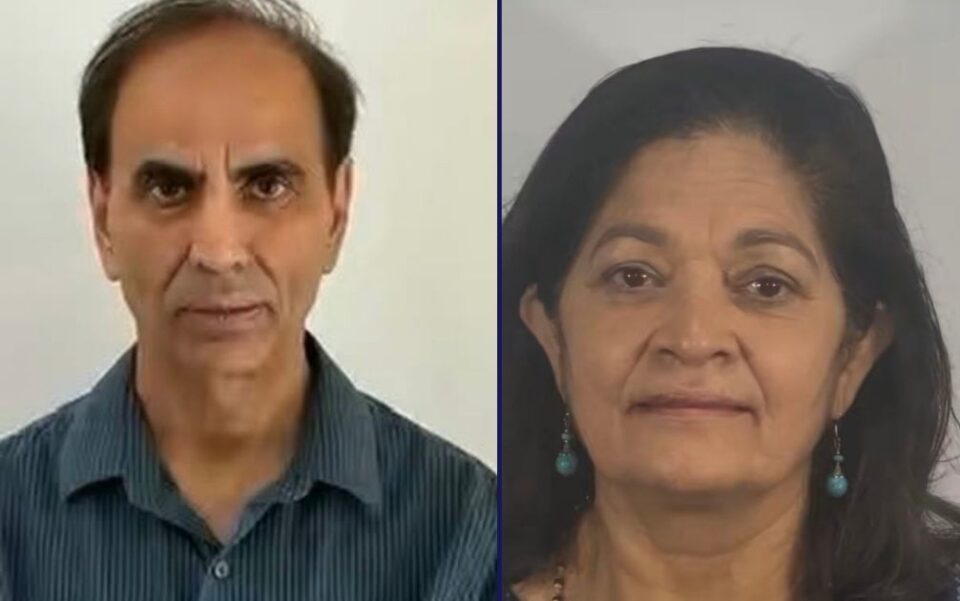
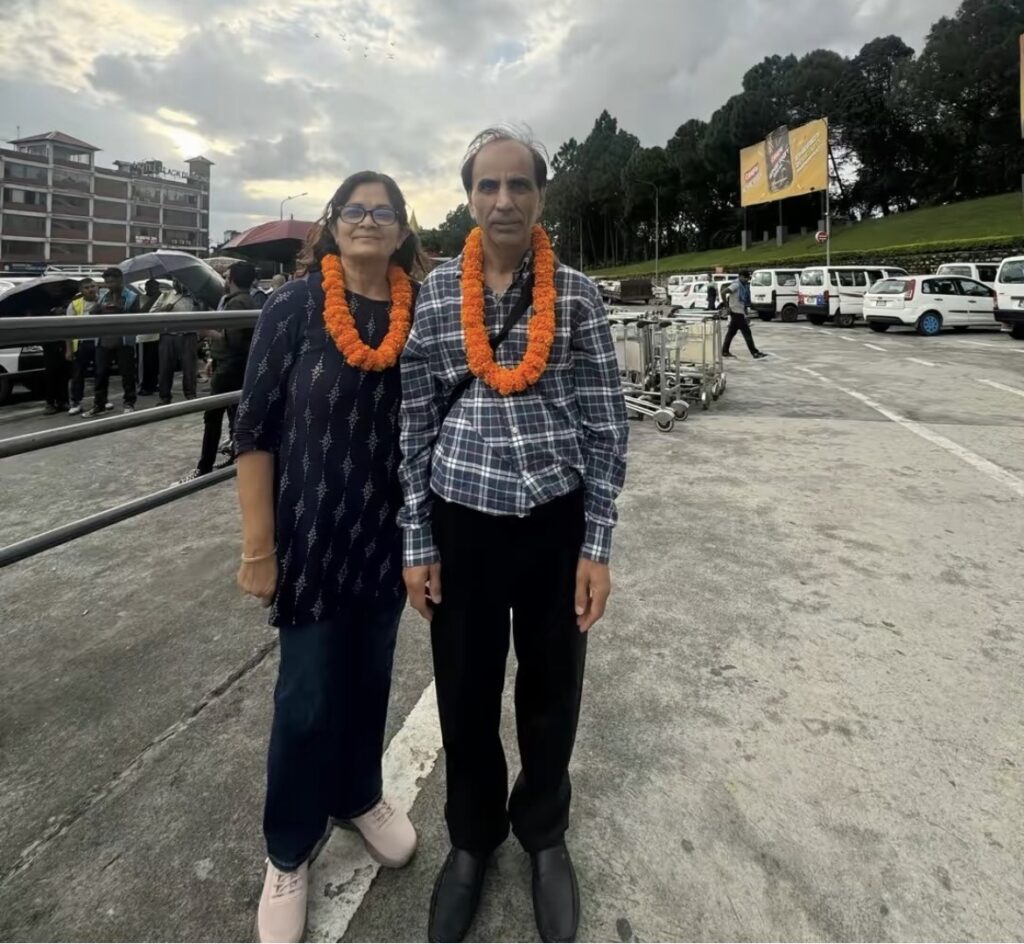
Dr. Radhika Sharma, a gastroenterologist, took to social media Wednesday seeking help locating her parents, Ramesh Sharma, 65, and Neelam Sharma, 64, both U.S. citizens.
“My parents, Ramesh Sharma (65 Male) and Neelam Sharma (64 Female) are currently missing and unaccounted for following the flood at the Nepal-Tibet/China border,” Sharma wrote in an Instagram post.
She said the couple had been traveling to Mount Kailash, the sacred pilgrimage site in Tibet.
“If you have any direct contacts in Nepal, Gyirong/Tibet, local hospitals, rescue operations, government / local media, anyone on the ground — PLEASE DM / contact me immediately,” she wrote.
In the caption accompanying the post, Sharma added: “I would greatly appreciate any help, any contacts, any information (domestic help or international help).”
The couple’s disappearance comes amid a rapidly unfolding disaster in the Himalayan border region. Nepalese authorities said more than 400 tourists were missing Wednesday, including about 340 foreign nationals. Nepal police said late Wednesday that 157 bodies had been recovered.
Among those reported missing were 47 people from the United States, according to a Nepal Tourism Board spokesperson cited by Reuters. The U.S. State Department said it was aware of Americans affected by the flooding and was closely tracking the situation.
It was not immediately clear whether Ramesh and Neelam Sharma were included in the official tally of missing Americans.
The disaster struck the mountainous border area between Nepal and China’s Tibet region Wednesday morning, sending an enormous torrent of water, mud, rocks and debris through settlements and travel corridors.
Satellite imagery indicated that a massive collapse of glacial ice and rock triggered a debris-laden flood in the Lhende River roughly 12 miles northeast of the Nepal-China Rasuwagadhi border crossing, according to Nepal’s National Disaster Risk Reduction and Management Authority. The torrent then surged through downstream river systems.
Early reports suggested that a magnitude 4.4 earthquake might have triggered the collapse. However, the U.S. Geological Survey later determined that the seismic signal recorded at the time was generated by the collapse of glacial rock and ice itself rather than an earthquake preceding it.
The force of the flood swept away homes, roads, bridges and hydropower infrastructure. Some communities in Nepal’s Rasuwa district were left inaccessible, complicating rescue efforts. Helicopters were unable to land in some of the hardest-hit areas, including Syapru Besi and Timure.
Across the border in Tibet, China’s state broadcaster reported three deaths and 265 people missing in Gyirong County after a mudslide struck the border crossing and destroyed roads and communications links.
The affected corridor is particularly busy at this time of year because it is used by pilgrims traveling to Kailash Mansarovar. Mount Kailash is considered sacred by Hindus, Buddhists and followers of other faiths, and hundreds of pilgrims travel through Nepal and Tibet to reach the remote site.
Nepalese tourism officials said 133 of the missing foreign travelers were Indian pilgrims headed to Mount Kailash. Americans, Australians, Britons and Canadians were also among those unaccounted for.
The disaster comes amid growing concern over the vulnerability of the Himalayan region to glacial collapses, flash floods and landslides. Scientists have warned that warming temperatures are accelerating changes in glaciers and increasing hazards across the Hindu Kush Himalayas. The same river system experienced a serious flash flood last year.
Rescue and recovery operations continued Wednesday night as families waited for information about missing relatives and authorities worked to reach communities cut off by destroyed roads, power failures and damaged communications.
For the Sharma family, the search remained urgent.
“I would greatly appreciate any help,” their daughter wrote, appealing to anyone with contacts in Nepal or Tibet who might be able to provide information.
Photo credit: Dr. Radhika Sharma/Instagram.
