




BY JYOTHSNA HEGDE
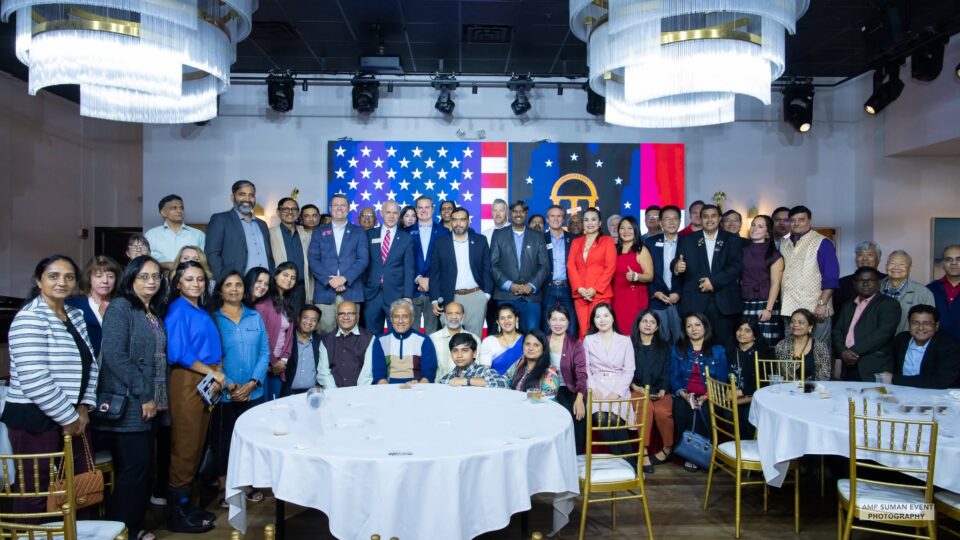
Atlanta, GA, November 2, 2026: Rising property taxes, healthcare access, public safety and uncertainty surrounding immigration policy shaped discussions at an October 23 election rally, where Republican candidates and elected officials appealed to Indian American and other Asian American community members for support ahead of the November 3 election.
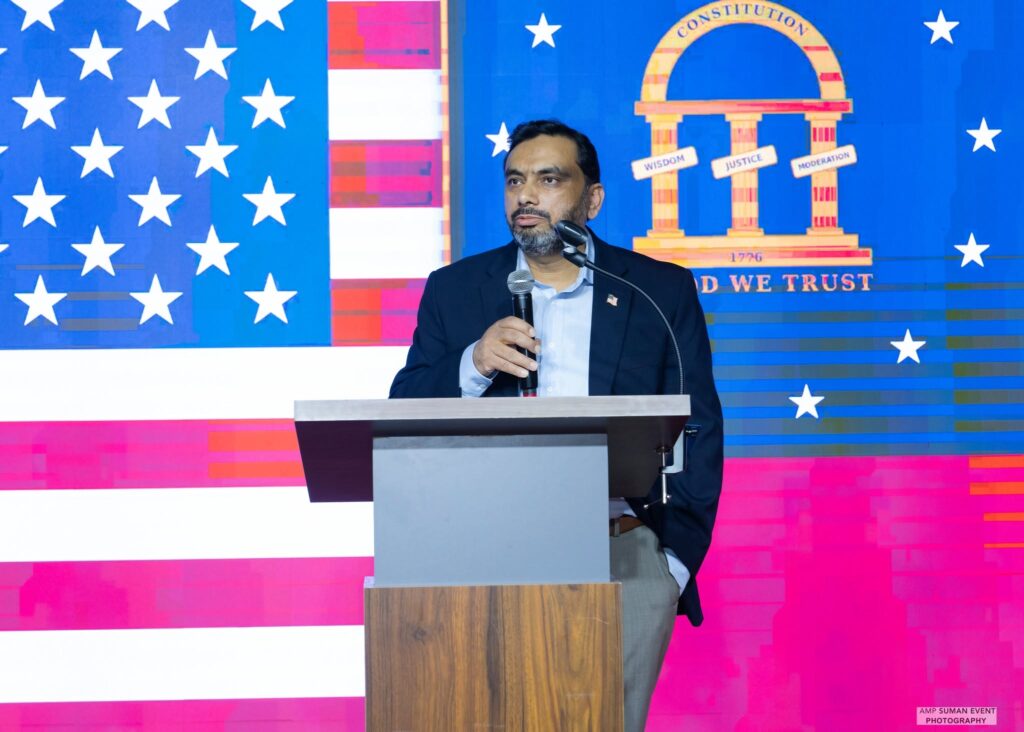
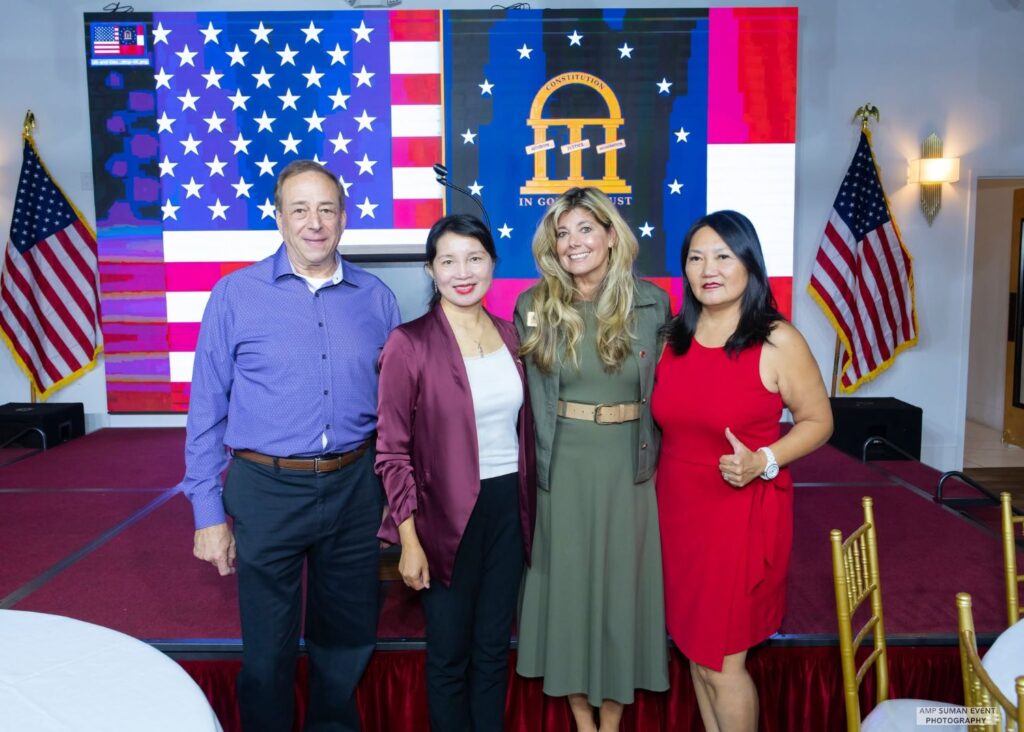
Hosted by community leader Himanshu Karnwal at Yifan Restaurant & Event Center in Johns Creek, the gathering brought candidates for state and county offices together with residents, business owners and representatives of community organizations.
The program combined candidate presentations, dinner and an audience question-and-answer session. Speakers urged residents to examine their legislative records, consider the responsibilities of state and local government, and encourage others to participate in the election.
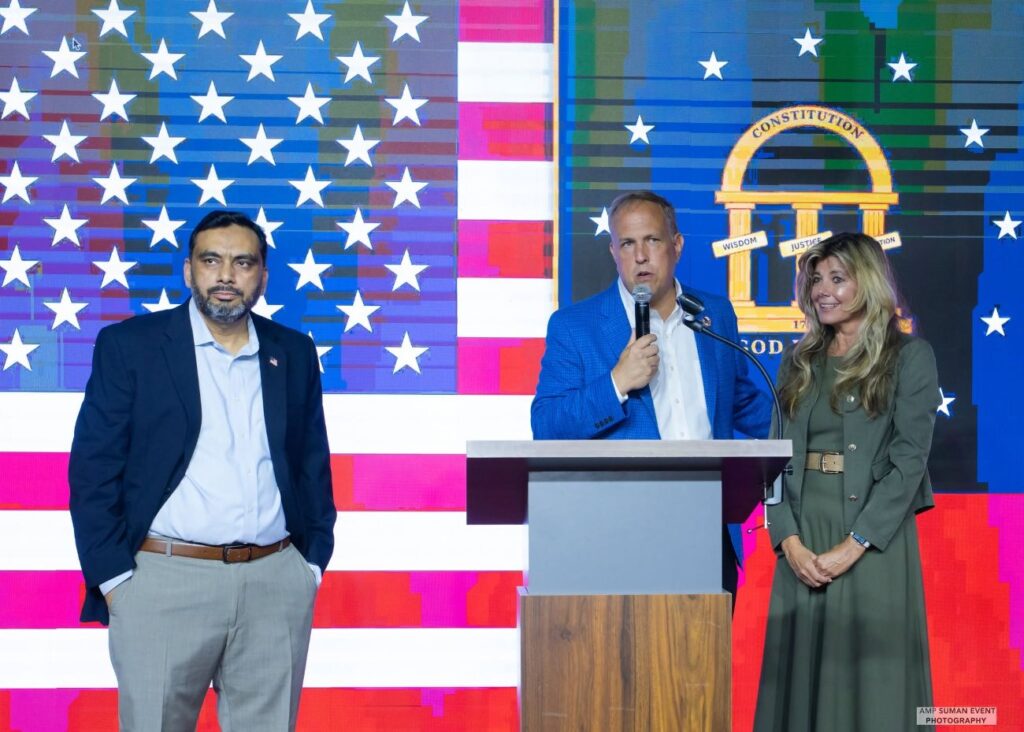
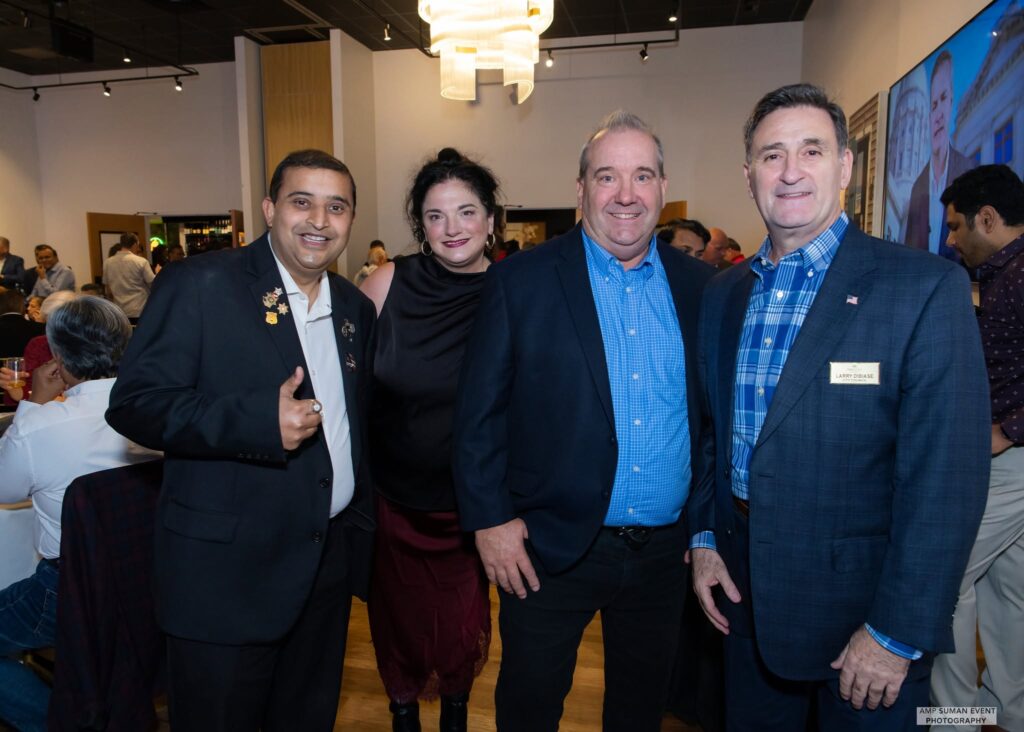
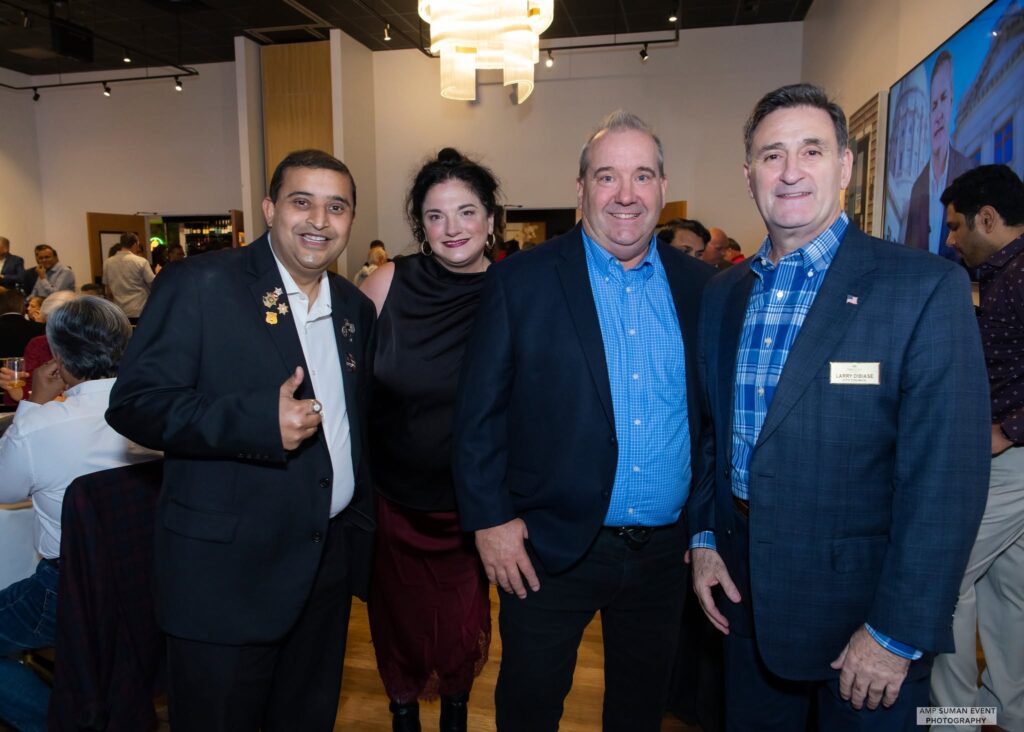
Participants included state Sen. Shawn Still; state Reps. Matt Reeves, Scott Hilton, Carter Barrett and Chuck Martin; Fulton County Commissioner Bridget Thorne; Forsyth County Commissioner Todd Levent; and candidates Jack Miller, Azure Duan, Elvia Davila and Michael Dvorscak. Fulton County Commission chair candidate Eric Tatum also addressed the gathering. Johns Creek Mayor John Bradberry, City Council members Larry DiBiase and Dilip Tunki, and Lynne Riley were among those recognized.
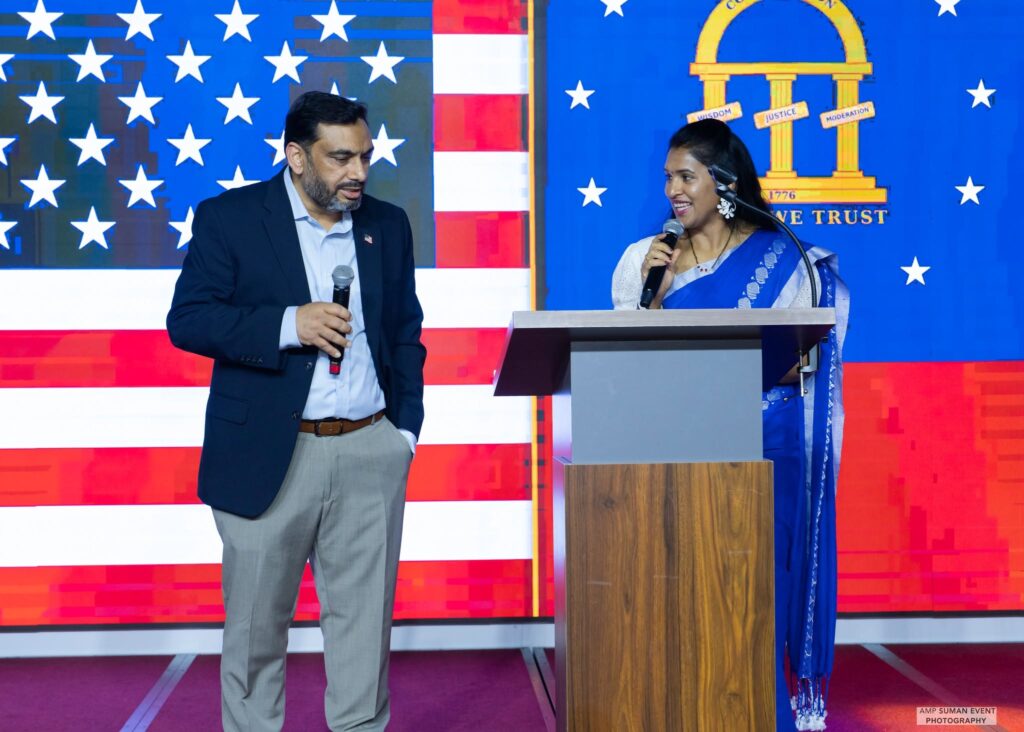
Lavanya Sreenath served as emcee.
While lower taxes and spending restraint dominated much of the discussion, the evening also included support for Medicaid expansion, concerns about visa uncertainty and questions about homeowners associations. Several speakers sought to distinguish their responsibilities in Georgia from decisions made in Washington.
Connecting Candidates and Community Members
Karnwal said concerns he had heard from families about living costs, their children’s futures and whether elected officials were listening had prompted him to organize the gathering. He described direct conversations as a way to address uncertainty arising from secondhand accounts and information circulating through social media.
“Listen to the candidates firsthand, take their message back to your communities,” he told attendees, asking community leaders to encourage eligible voters to participate.
Karnwal described faith, family, hard work, education and respect for the law as values underlying his support for conservative candidates. His appeal extended to residents’ personal networks, with a request that each attendee encourage three others to vote.
Bradberry placed civic participation in the context of the country’s 250th anniversary and thanked candidates for the personal commitments involved in seeking office. He also encouraged attendees to assist Thorne’s campaign while she attended to a death in her family.
In a subsequent message about the rally, Karnwal thanked participants, volunteers and Sreenath. He also expressed support for Congressman Richard McCormick, Sen. Greg Dolezal, Rep. Todd Jones and gubernatorial candidate Rick Jackson.
Property Taxes and County Spending
Thorne, representing Fulton County Commission District 1, focused on county spending and her efforts to maintain the millage rate. She questioned proposed expenditures involving the jail, criminal justice agencies and other programs, arguing that officials should scrutinize their necessity and cost.
“Can we make things more efficient? Do we need it? Is it necessary?” Thorne asked, describing the questions she said should guide spending decisions.
She said she had worked with two moderate Democratic commissioners to build a coalition supporting fiscal restraint. Thorne also criticized her opponent and argued that a change in party control could make it more difficult to hold the line on spending.
Tatum similarly emphasized property taxes, pledging to maintain the millage rate and improve transparency in county budgeting and contracting.
“Government has certain functions that it has to do,” he said, citing the county’s responsibility to fund the jail and courts.
Tatum argued that spending should focus on necessary services and that contracts awarded above a lower bid required clear justification. During the audience discussion, he questioned a jail elevator contract as an example of an expenditure he believed warranted closer examination.
“If we’re gonna spend more money, we’ve got to have really, really good answers to those questions,” he said.
Thorne and Tatum also made allegations about their opponents’ tax records and spending priorities. Those statements reflected their campaign positions; responses from the individuals criticized were not included in the discussion.
Audience members returned repeatedly to the relationship between rising property values and tax bills. One questioned why taxes should increase with assessments when the services provided to a household might remain largely unchanged.
Candidates discussed assessment limits, senior exemptions and proposals linking taxable home values more closely to purchase prices. The exchange outlined several approaches rather than a single agreed legislative plan.

Insurance, Housing and Affordability
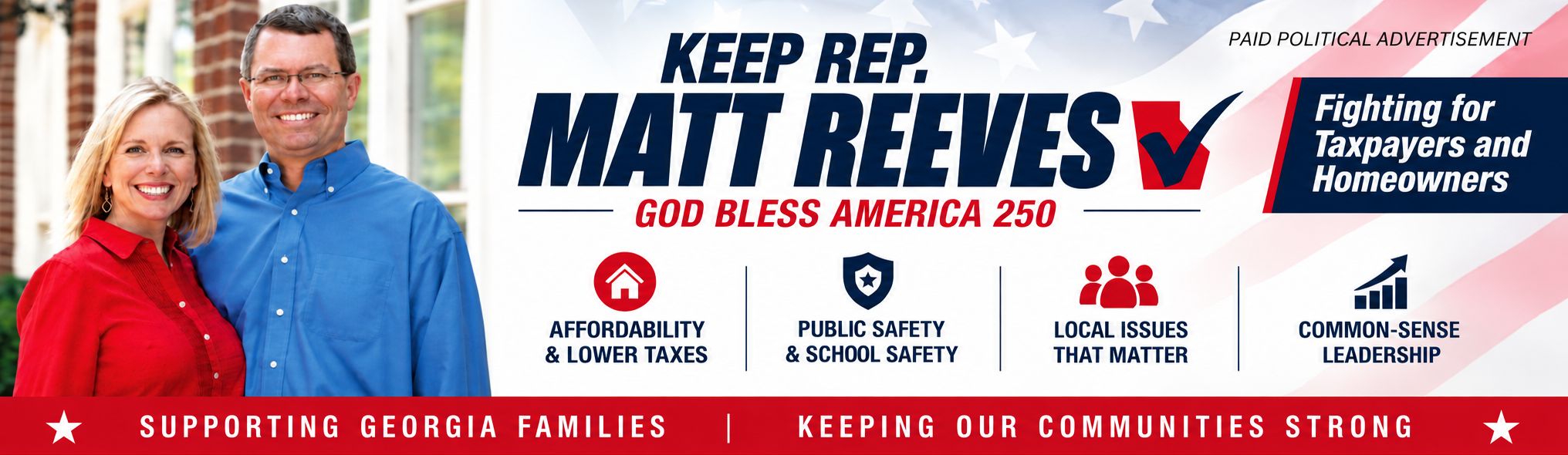
Reeves, representing House District 99, highlighted insurance affordability, tax relief and public safety. He discussed his work on a legislative study of insurance costs and credited subsequent legislation with helping reduce premiums.
Reeves told attendees that 41 insurers had lowered rates and encouraged residents to compare policies when renewing coverage.
“You may not have gotten the savings yet,” he said, suggesting that shopping around could help households identify lower-cost options.
Reeves also outlined an interest in additional property tax relief for seniors in Gwinnett County. He described provisions intended to help older homeowners downsize without losing favorable tax treatment, potentially freeing larger homes for younger families.
“Homeownership is the American dream,” he said.
Barrett, representing House District 24, discussed property tax protections and senior exemptions in Forsyth County. He emphasized the importance of predictable expenses for families and said property taxes would remain a legislative priority.
Still, representing Senate District 48, described a proposal under which a homeowner’s taxable value would remain tied more closely to the purchase price until the property changed hands. Speakers presented the approach as a possible means of protecting residents from tax increases associated with rising assessments.

Healthcare Access and Medicaid Expansion
Dvorscak, a candidate for Senate District 14, devoted a substantial portion of his remarks to healthcare. He outlined support for additional tort reform, eliminating Georgia’s Certificate of Need program and expanding Medicaid.
Dvorscak said he had personally knocked on more than 5,100 doors and was hearing concerns similar to those raised by other candidates. He said fiscal decisions should reflect the effort residents put into earning the money they pay in taxes, including kitchen employees working long shifts and people working outdoors in summer heat.
“Is this something those people would want their tax dollars spent on?” he asked.
On healthcare, Dvorscak argued that medical liability pressures encouraged defensive medicine and contributed to some physicians leaving practice. He also said removing state approval requirements for certain medical investments could expand services and hospital capacity.
“I believe the time’s come that we need to expand Medicaid,” he said, citing an estimated 250,000 people he said lacked access to insurance.
Drawing on two occasions when he had needed essential medical treatment, Dvorscak said financial uncertainty should not compound a patient’s health crisis.
“But you may not know how you’re going to pay for it,” he said. “And if you’re facing a health crisis, that’s not something that you need to have on top of you when you’re trying to recover from it.”
A separate audience question about Medicare prescription drug subsidies prompted discussion of federal and state healthcare responsibilities. Reeves’s response focused largely on healthcare administration and senior tax relief rather than a specific prescription subsidy proposal.
Immigration and Federal Policy
Questions about Washington’s policies and their effects on business and talent led to a detailed exchange about immigration.
Still acknowledged that visas and immigration fall under federal authority but expressed opposition to abruptly withdrawing permission to remain from people who had entered legally and established their lives in the United States.
“If we live in a country where we can give someone a visa, tell them to start a business, get a mortgage, raise your children here, and then arbitrarily cancel that, that is just wrong,” he said.
Still described employing visa holders and paying immigration lawyers to help workers remain in the country. He called for substantive conversations about immigration reform and expressed support for immigrants contributing to their communities.
His broader remarks covered education, human trafficking prevention, animal protection and public safety. Addressing concerns within the Indian American community, he also said he intended to renew efforts on legislation concerning anti-Hindu discrimination.
“Please vote for who identifies with your values,” Still told attendees.
Education, Public Safety and Candidate Records
Hilton, representing House District 48, urged supporters to vote early and help campaigns reach residents who had not yet participated. He argued that Georgia’s economic progress should not be taken for granted.
Barrett encouraged voters to examine candidates’ qualifications as carefully as they would assess someone they were considering hiring. He praised colleagues’ legislative work, including Reeves’s insurance measures and Hilton’s work on restricting cellphone use in schools.
“Who you elect really matters,” Barrett said.
Miller, a candidate for House District 47, emphasized lower taxes, parental choice in education and public safety. He urged residents to assess Georgia Republican leadership on its state-level record.
Duan, a candidate for House District 50, discussed responsible spending, support for police and firefighters, and education funding that follows students across different schooling options. She described herself as a first-generation immigrant and linked her priorities to hard work and meritocracy.
“It’s not government money,” Duan said of education funding. “It’s the parents that pay the taxes.”
Levent emphasized cooperation among local officials, state leaders and transportation agencies, pointing to infrastructure investment as an area where those relationships mattered.
“Relationships matter, getting along with people matters,” he said.
Davila, a candidate for House District 108, introduced herself as a mother of three, a woman of faith and a Gwinnett County business owner. She emphasized lower taxes, expressed support for Jackson and described her district as competitive.
“Just bring everybody out to vote,” she said. “Every single vote counts.”
Questions on Government Efficiency, Data Centers and HOAs
The audience discussion extended beyond campaign priorities to decisions affecting neighborhoods and household expenses.
One attendee, identifying himself as a CPA, asked whether public employees could receive incentives for finding savings rather than spending unused departmental funds. Reeves expressed support for exploring such incentives and discussed regulatory review as another way to reduce unnecessary costs.
Still answered questions about data centers by describing an approach combining state safeguards with local development decisions. He discussed electricity costs, water use and tax incentives, emphasizing the role of city and county officials in determining whether projects should proceed.
On homeowners associations, Still outlined legislation he said would provide additional oversight and avenues for homeowners to raise complaints and challenge unfair treatment.
“HOA abuse is not a partisan issue,” he said. “It affects everyone.”
The exchanges reflected concerns about both the cost of government and the authority exercised by institutions close to residents’ daily lives.
Turnout Remains the Central Appeal
The evening included pointed criticism of Democratic candidates, with several speakers invoking socialism and warning against changes in party control. Those statements were campaign characterizations; the program featured Republican speakers and did not include Democratic rebuttals.
Throughout the gathering, candidates urged residents to examine their records, ask questions and translate those conversations into participation at the polls. Speakers emphasized the significance of turnout in closely contested suburban races, where relatively small margins could determine who makes decisions on taxes, schools and public services.
Karnwal’s request that each attendee encourage three others to vote became a recurring theme, extending the appeal beyond those gathered in the room. The repeated calls to Indian American and other Asian American community leaders reflected the importance candidates placed on their networks in reaching eligible voters and mobilizing electoral support.
