




BY DR. QAISER MUKHTAR
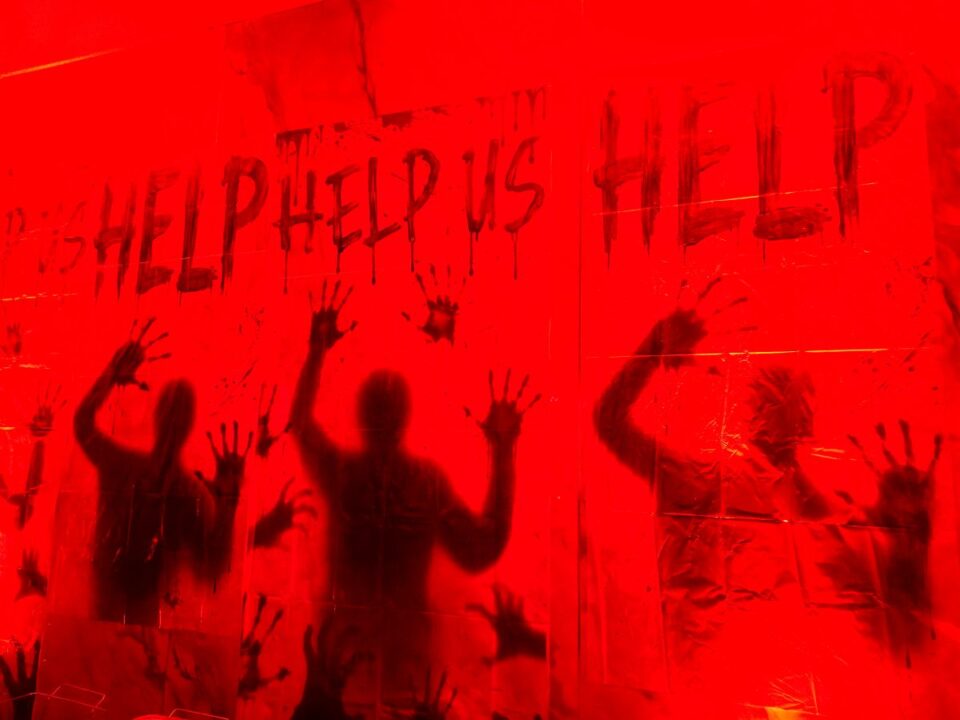
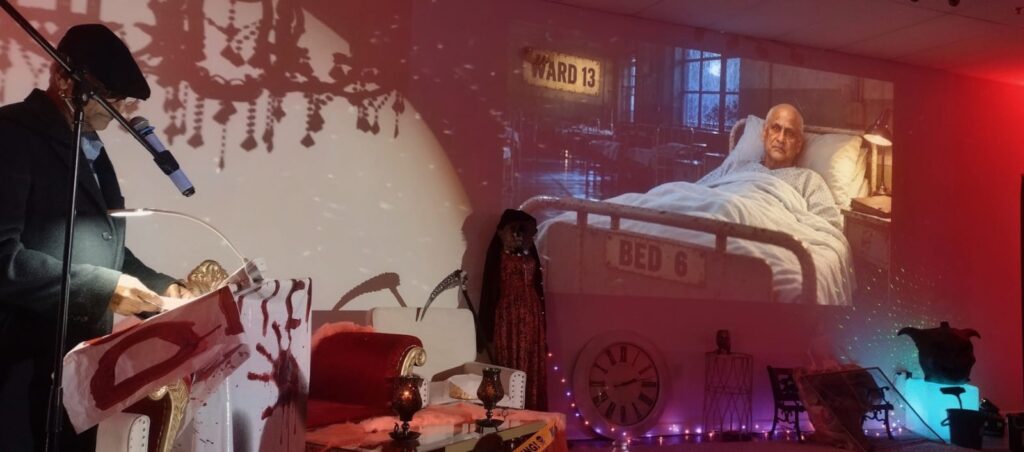
Atlanta, GA, November 2, 2026: The lights turned blood-red. Eerie sounds filled the room. Skeletons, ghostly shadows, and unsettling props transformed a familiar literary gathering into something decidedly otherworldly.
On October 23, the Writers’ Forum & Urdu Library Atlanta hosted its first Shab-e-Aseeb, an evening devoted to frightening stories, suspense, and a generous dose of imagination. The event offered a playful departure from traditional literary gatherings, drawing on the rich tradition of supernatural storytelling in Urdu literature.
Stories of ghosts, haunted houses, unexplained encounters, and restless spirits have long occupied a place in South Asian oral and literary traditions, often passed from one generation to the next. For this gathering, storytelling extended beyond the spoken word. Carefully timed sound effects, dramatic lighting, and imaginative decorations heightened the suspense, turning the evening into an immersive experience. The audience was not merely listening to frightening tales; it was surrounded by the atmosphere in which those tales might unfold. The evening also demonstrated the creativity and collaborative spirit of Atlanta’s literary community.
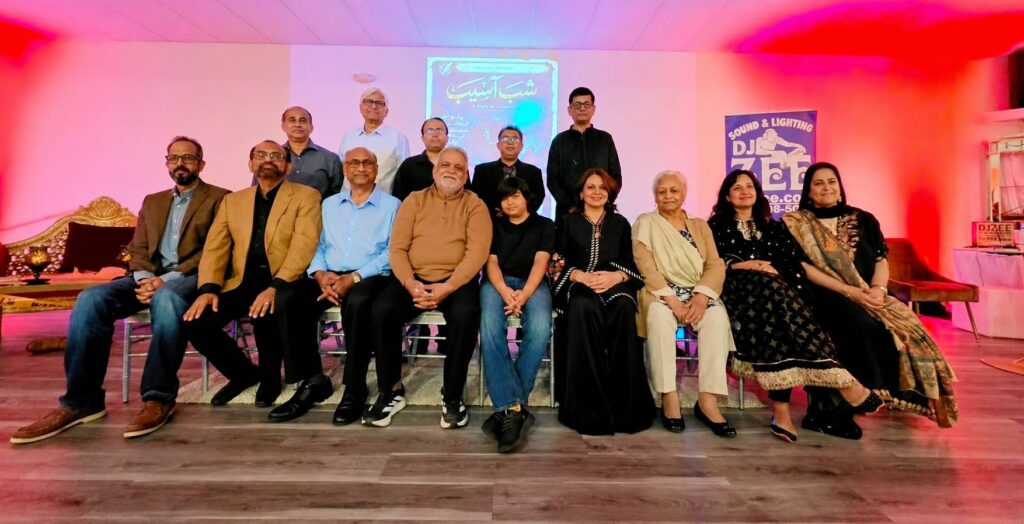
Organizing an event of this kind required considerably more than selecting stories. From planning the program and preparing the venue to coordinating props, lighting, sound, and refreshments, volunteers contributed their time and talents to bring the concept to life.
And then came midnight. As the clock struck twelve, a magnificent feast appeared, seemingly out of nowhere. Its sudden arrival raised questions that may never be answered. Who had summoned it? How had it materialized? And why did it disappear so quickly? An even more perplexing mystery concerned the much-anticipated parathas, which had somehow been replaced by naan. Whether this was the work of mischievous spirits or an unexplained culinary intervention remains a matter for further investigation.
Behind the supernatural fun was a very human achievement: bringing people together through literature, laughter, and shared creativity. Special recognition goes to Kamran Khimani, along with Shahid Rafique, Azhar Farooqui, Sadaf Farooqui, Quratulain Naqvi, Natasha Naqvi, and Zee Hassan, among others, whose efforts and contributions helped make the inaugural event a success. Equally important was the enthusiastic participation of the audience, whose willingness to enter into the spirit of the occasion added to the evening’s charm.
For the Writers’ Forum & Urdu Library Atlanta, Shab-e-Aseeb illustrated how literary programming can move beyond conventional readings and discussions while remaining rooted in the art of storytelling. It also reflected the organization’s commitment to creating opportunities for cultural expression, community engagement, and the celebration of Urdu language and literature. Whether Shab-e-Aseeb becomes an annual tradition remains to be seen. But one thing is certain: the first gathering left behind plenty of stories to tell.
