





BY JYOTHSNA HEGDE
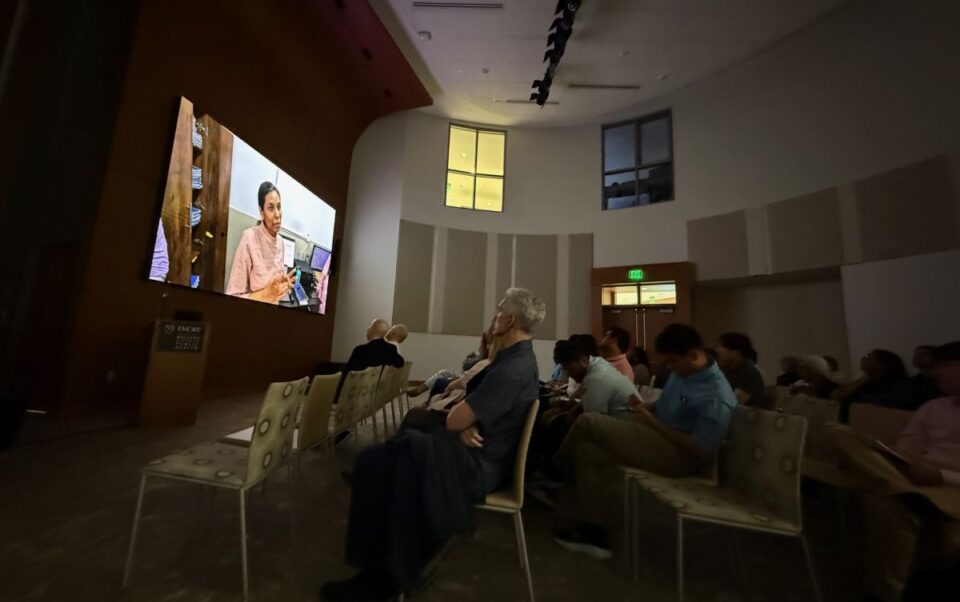
Atlanta, GA, April 17, 2026: On April 9, 2026, Emory University’s Rollins School of Public Health convened researchers, clinicians, and community leaders for an exclusive advance screening of a new episode of the PBS series Your Fantastic Mind. Held at the R. Randall Rollins Building, the event offered an in-depth exploration of one of the most ambitious longitudinal health studies in the world and its implications for the future of chronic disease prevention and brain health.
The episode centers on the Center for Cardiometabolic Risk Reduction in South Asia study, widely known as the CARRS study, a 16-year cohort that has followed more than 20,000 individuals across urban India. Led by Emory Global Diabetes Research Center in collaboration with premier institutions across India, the study provides a rare longitudinal perspective on how cardiometabolic conditions such as diabetes, hypertension, and high cholesterol evolve over time and how they intersect with cognitive decline and neurodegenerative disease.
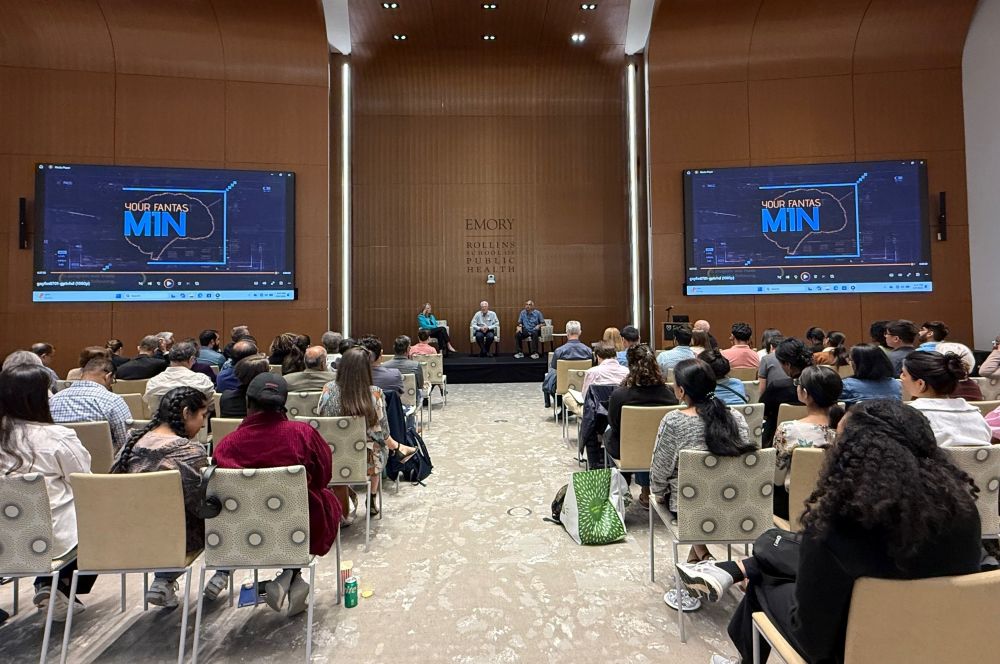
The screening was introduced by Jaye Watson, who reflected on the extensive fieldwork behind the episode, including filming across multiple regions of India alongside multidisciplinary research teams. The series has earned multiple Emmy nominations across six seasons, underscoring its impact in translating complex biomedical science into accessible public narratives.
Set against the backdrop of India’s vast demographic and cultural diversity, the documentary travels through three major urban centers, each offering a distinct lens into the evolving health landscape. In Bengaluru, India’s technology capital, the narrative shifts toward the intersection of cardiometabolic health and neuroscience. At the National Institute of Mental Health and Neurosciences, widely known as NIMHANS, researchers are advancing the brain health dimension of the CARRS study.
Leading this effort is Dr. Suvarna Alladi, a distinguished neurologist whose work has been central to dementia research in India. Under her leadership, NIMHANS has become a critical partner in integrating neurological science into the study. Her team is analyzing brain imaging, cognitive assessments, and biomarkers to better understand how diabetes and cardiovascular risk factors contribute to the development of Alzheimer’s disease. The Bengaluru segment underscores the importance of early detection and interdisciplinary collaboration in addressing cognitive decline.
The documentary then moves to Chennai, a major healthcare hub where a significant portion of CARRS participants are based. Here, the focus is on clinical research and large-scale diabetes care. The work of Dr. V. Mohan, one of India’s foremost diabetes specialists, is prominently featured. Through the Madras Diabetes Research Foundation and an extensive network of clinics, Dr. Mohan and his team have contributed decades of research into diabetes prevention and management.
In Chennai, researchers collect and analyze biological samples, including blood and genetic material, enabling deeper investigation into how diabetes develops and progresses. The integration of genetic research, led in part by scientists such as Dr. Radha Venkatesan, reflects the study’s growing emphasis on precision medicine and individualized risk assessment.
The journey continues to Delhi, one of the world’s largest and most complex urban environments. Here, the documentary highlights both the scale of the study and the environmental challenges that shape public health. At the All India Institute of Medical Sciences, a leading center for medical research and care, clinicians conduct advanced diagnostic testing, including cardiac imaging, retinal scans, and cognitive assessments.
The work of Dr. Nikhil Tandon and other physicians at AIIMS illustrates how large-scale institutional collaboration supports the study’s objectives. At the same time, organizations such as the Centre for Chronic Disease Control play a vital role in coordinating data collection and laboratory analysis across sites.
Delhi also brings into focus the impact of environmental factors, particularly air pollution, on long-term health. Researchers are increasingly examining how sustained exposure to high levels of particulate matter may contribute not only to cardiovascular disease but also to neurological decline, adding another layer of complexity to the study.
Across all three cities, a defining feature of the CARRS study is its longitudinal, community-based approach. Researchers return year after year to participants’ homes, collecting data on blood pressure, glucose levels, cholesterol, diet, physical activity, and social conditions. This sustained engagement has resulted in remarkably high retention rates, with nearly 90 percent of participants remaining involved over more than a decade.
Globally, the urgency of this research is clear. In the United States, more than 1 in 8 adults lives with diabetes, and cardiovascular disease remains the leading cause of death. Alzheimer’s disease is also rising rapidly, with over 7 million Americans currently affected and projections suggesting that number could nearly double by 2060.
Within this context, South Asians represent one of the highest-risk populations. Now numbering nearly six million in the United States, South Asians experience disproportionately high rates of diabetes and cardiovascular disease. By age 45, nearly one in three South Asian men has prediabetes, and by age 55, they are at least twice as likely to develop type 2 diabetes compared to White adults. Globally, although South Asians represent roughly a quarter of the world’s population, they account for nearly 60 percent of its cardiovascular disease burden.
The documentary emphasizes that these disparities cannot be explained by traditional risk factors alone. Many South Asians develop metabolic disease at lower body mass indices, pointing to the role of visceral fat, insulin resistance, and genetic predisposition. These insights reinforce the need for more tailored approaches to prevention and treatment.
A central theme of the episode is the growing recognition that cardiometabolic and neurodegenerative diseases are deeply interconnected. Through collaboration with the Emory Goizueta Brain Health Institute, researchers are integrating 15 years of cardiometabolic data with new cognitive testing, brain imaging, and biomarker analysis to better understand how these conditions evolve together over time.
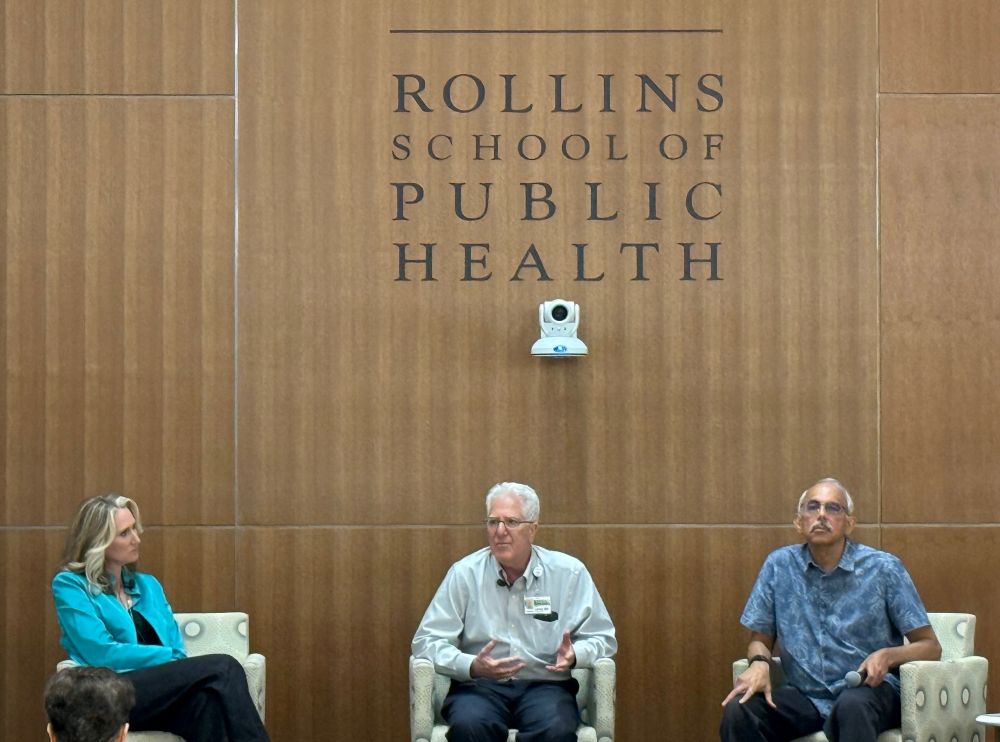
Following the screening, a panel discussion led by Watson featured Allan Levey and K. M. Venkat Narayan, who emphasized that these diseases are complex and multifactorial, shaped by interactions between genetics, environment, and lifestyle.
Panelists underscored that many of the most significant risk factors are modifiable. Physical activity, nutrition, blood pressure control, and social engagement all play critical roles in reducing risk. The discussion reinforced a key takeaway from the research: early intervention offers a powerful opportunity to alter the trajectory of chronic disease.
The implications of the CARRS study extend far beyond India. As nations worldwide confront rising rates of chronic disease, the insights generated through this research provide a roadmap for prevention, early detection, and integrated care.
For those in attendance at Emory, the screening was more than a preview of a forthcoming broadcast. It was a compelling demonstration of how global collaboration, long-term research, and interdisciplinary science can reshape our understanding of health.
As the CARRS study continues to evolve, it offers a powerful reminder that the future of medicine lies not only in treating disease, but in understanding its origins and intervening early enough to change its course for individuals and populations across the globe.
Watch the featured episode of Your Fantastic Mind here: https://www.pbs.org/show/your-fantastic-mind/.
