





BY ANISH AGARWAL*
A fitness coach looks at what Indian families actually eat and the simple sides that turn dal into a protein-rich meal.
In most Indian homes, whether in Chennai or Chicago, dal is the protein. Ask a vegetarian family where their protein comes from, and the answer is almost always the same: dal, every day, sometimes twice.
Dal is a good food. It is inexpensive, filling, full of fiber, and fits into kitchens around the world. But when we looked at what our members actually eat, one bowl of dal turned out to contain less protein than most people assume.
What the label says and what the bowl gives you
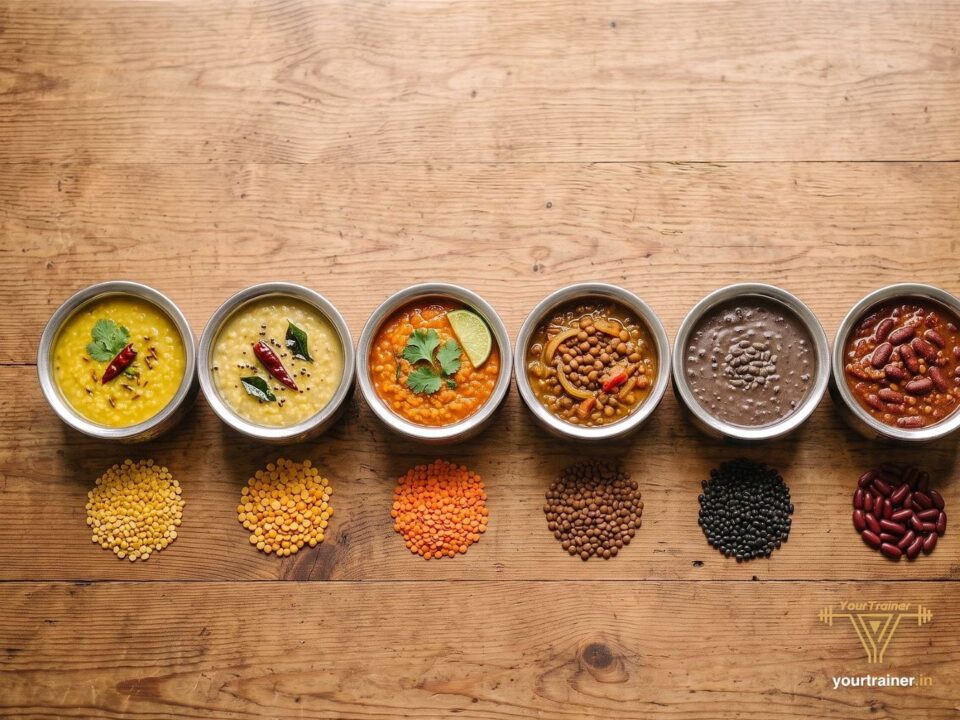
Nutrition tables provide standardized values for cooked dal. Per 100 g cooked, masoor provides about 9 g of protein, chana 8.9 g, rajma 8.7 g, urad 7.5 g, moong 7 g, and toor 6.8 g, according to USDA FoodData Central.
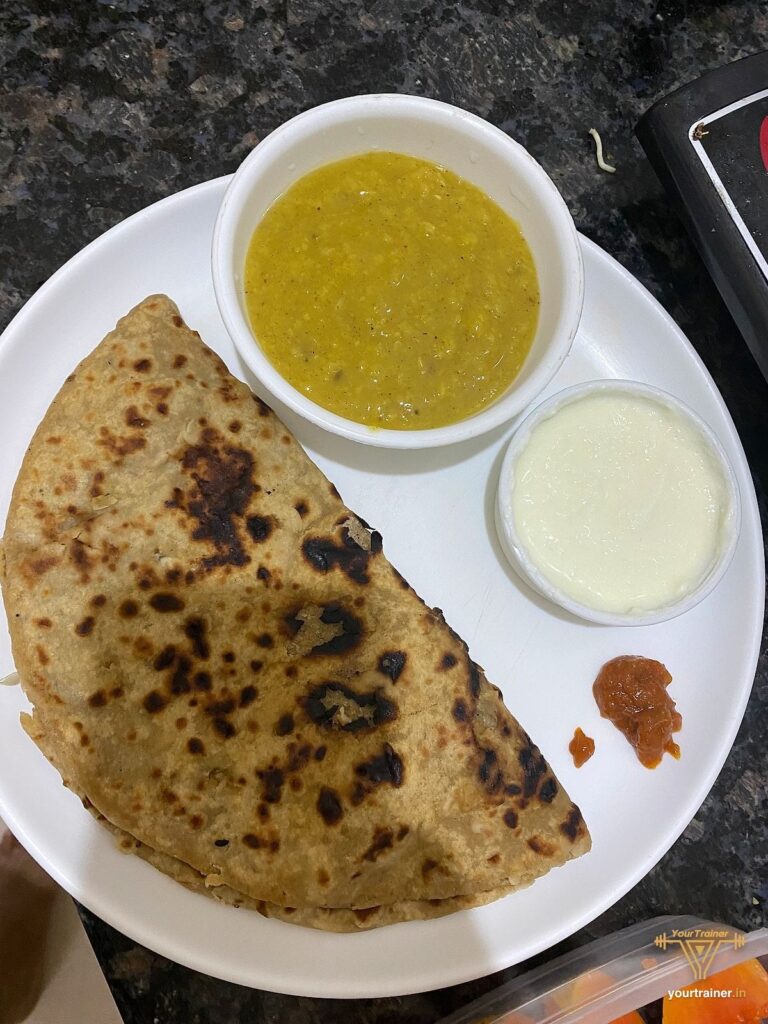
Home-cooked dal is different. It contains varying amounts of water, sometimes a tadka of ghee, and is served in whatever bowl is nearest. In a sample of our members’ food logs from April to September 2026, the typical bowl of dal contained 150 calories and 9 g of protein. Dal appeared in the logs of 43% of the members in that sample, so this is an everyday food, not a special one.
Our coaches aim for about 20 g of protein at each main meal. A normal bowl of dal gets you close to halfway.
Dal alone or dal with a side
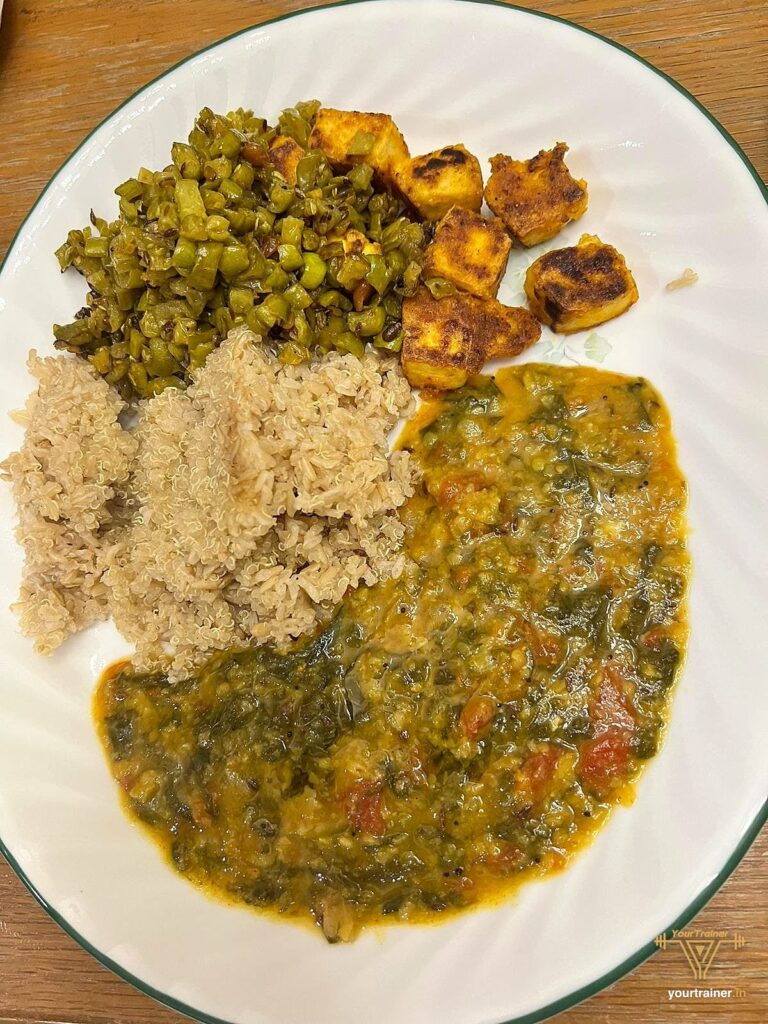
The difference became clear when we compared meals. Lunches and dinners where dal was the only protein-rich food contained a median of 15.6 g of protein, including the rice or roti. Meals that included curd, paneer, eggs, or chicken alongside the dal contained 23.4 g.
That one extra katori can make a substantial difference. It is also why the classic Indian plate works so well when it is complete: dal, a grain, a vegetable, and curd on the side.
Why dal and rice belong together
Plant proteins can be relatively low in certain essential amino acids. Dal is low in methionine, while rice is low in lysine, which dal supplies in good amounts. Eaten together or across the day, they complement each other, a pairing nutrition scientists have described for decades (Young and Pellett, American Journal of Clinical Nutrition, 1994). So dal chawal can be a good protein-containing meal, especially when the dal portion is generous.
Simple sides that fix it
You do not need protein powder or a new diet. Add one of these to a dal meal:
- A katori of curd or raita. Abroad, plain Greek yogurt fills the same role.
- Paneer: About 50 g, or a few cubes, can help close the gap. Cottage cheese works similarly in a US or UK kitchen.
- Eggs or chicken, if your family eats them.
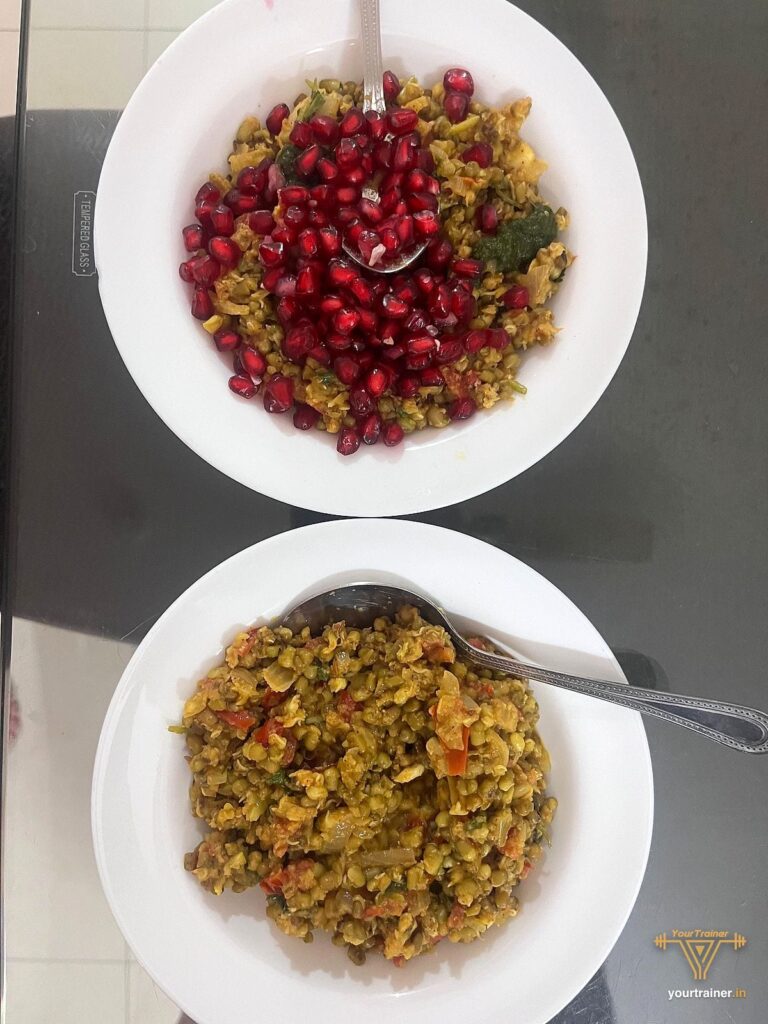
- A handful of moong sprouts or some roasted chana added to the meal.
Or simply make the dal thicker. Less water means more protein in the same bowl, provided you use more cooked dal.
Which dal is best?
Masoor and moong are good protein choices and both cook quickly on a weeknight. Toor is fine as an everyday dal; make it thicker or add a side. Chana and rajma are filling and high in fiber but can contain more calories per bowl, depending on the portion and preparation.
The gap between any two dals is small compared with the difference made by how much you serve and what you eat with it. That is the part worth changing.
If you want to check your own portions, our free katori portion calculator converts household measures into calories and protein: https://www.yourtrainer.in/katori-portion-calculator.
The full data behind this piece is available here: https://www.yourtrainer.in/blog/dal-nutrition-toor-moong-masoor-chana-compared
About the author
*Anish Agarwal is a NASM-certified personal trainer and the founder of YourTrainer (https://www.yourtrainer.in), a Bengaluru-based fitness platform where coaches and nutritionists train Indian families in India, the US, the UK, Canada, and the UAE through live video sessions. Instagram: @yourtrainer.fit
Sources
USDA FoodData Central, SR Legacy: Mature seeds, boiled without salt, per 100 g cooked. https://fdc.nal.usda.gov/
Young VR, Pellett PL. Plant proteins in relation to human protein and amino acid nutrition. American Journal of Clinical Nutrition. 1994. https://pubmed.ncbi.nlm.nih.gov/8172124/
YourTrainer. Dal nutrition compared, with a sample of member food logs, April to September 2026. https://www.yourtrainer.in/blog/dal-nutrition-toor-moong-masoor-chana-compared
