





BY PRASHANT PARIKH, FOUNDER, CROSS BORDER TAX DESK*
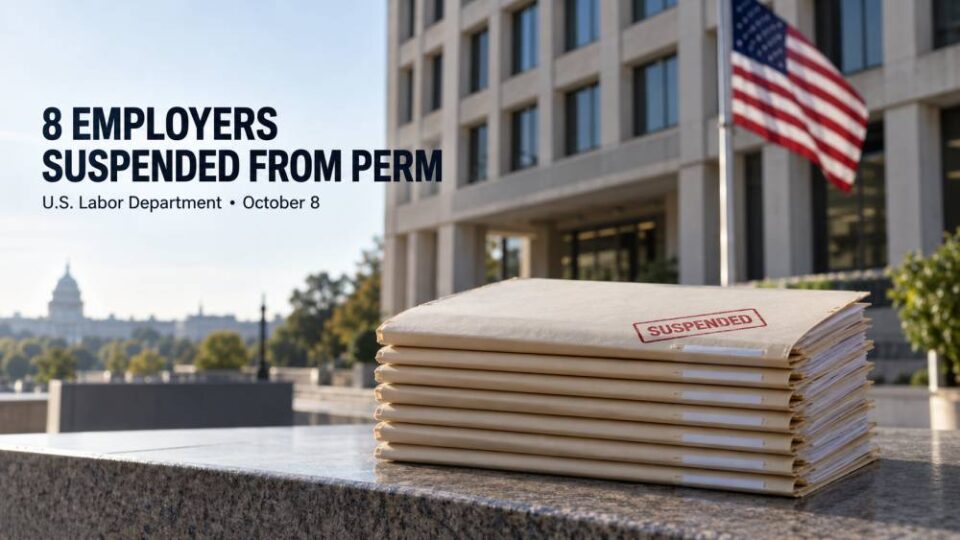
On 8 October, the US Department of Labor suspended eight employers from the PERM program, the first step of most employer-sponsored green cards. The list includes Microsoft, Adobe, TCS, Infosys, Wipro, HCLTech, Cognizant and Capgemini. New applications will not be accepted, and pending ones are on hold while an investigation runs.
This is not an H-1B ban. Existing H-1B visas have not been cancelled, and employees keep their jobs and status. But for thousands of Indian professionals, a green card queue that was already long has now stopped moving, with no end date announced.
For many families, that turns a someday question into a real one: should we move back to India? The immigration side needs an immigration lawyer. The India tax side is where the costly mistakes happen, and most of them are made in the first few months. If returning is now on your table, here are five decisions to get right before you book the flight.
1. Your arrival date decides your first tax years
India taxes you based on residential status, worked out separately for each April–March tax year. A returning NRI usually doesn’t become fully taxable on worldwide income straight away. There is often a transition status called RNOR, Resident but Not Ordinarily Resident. While you are RNOR, most income earned and received outside India stays outside the Indian tax net.
How long RNOR lasts is not fixed. It depends on your day counts in India across previous years, not just the year you return. The month you land can change the answer. Work out your status for the next three tax years before you choose a date, not after.
2. Don’t cash out your 401(k) in a hurry
The instinct is to “close everything” before leaving. Withdrawing a 401(k) or IRA early usually means US income tax plus a 10% additional tax if you are under 59½. In many cases, leaving the account invested and planning withdrawals later is far cheaper.
On the Indian side, Section 89A was designed for exactly this situation. It can let a returning resident align Indian taxation of a US retirement account with the year the US taxes the withdrawal, which helps avoid being taxed twice in different years. It needs a form filed on time, so plan it early.
3. RSUs and ESPP shares don’t stay invisible
If you hold Microsoft, Adobe or other US-listed shares, they don’t disappear when you land. Once you become fully resident (“ordinarily resident”), every foreign asset must be reported each year in Schedule FA of your Indian return: shares, US bank and brokerage accounts, retirement accounts and vested RSUs. That applies even if you earned nothing from them that year.
The penalties for missing Schedule FA under India’s Black Money Act can be severe, and they are aimed at exactly this kind of omission. If you have already moved back and missed this, India’s FAST-DS 2026 disclosure scheme offers a one-time way to fix certain cases. Declarations close on 31 December 2026.
4. Your NRE and FCNR accounts must change
Income tax and FEMA, the foreign exchange law, use different tests. You can be RNOR for tax while becoming resident under FEMA the day you return with plans to stay. At that point, NRE and NRO accounts need to be redesignated as resident accounts, and you must tell your bank promptly.
FCNR deposits can usually run until maturity. A Resident Foreign Currency (RFC) account can hold eligible foreign currency balances you bring back. Continuing to use NRI accounts “because nothing has changed for tax yet” is one of the most common errors we see.
5. Don’t pay tax twice on the same income
The US taxes on a calendar year; India on an April–March year. In the year you move, the same salary, bonus or RSU vesting can be taxed in both countries. The India–US tax treaty and India’s foreign tax credit rules exist to prevent this. But the credit is only allowed if Form 67 is filed with the right documents, on time. Keep your US returns, W-2s and proof of tax paid together from day one.
The bottom line
A paused green card is stressful, and nobody should rush a decision about where their family lives. But if India is on the shortlist, the tax planning should start before the move, not after the first notice arrives. A conversation now about arrival dates, retirement accounts and foreign assets can save years of avoidable tax and paperwork.
Cross Border Tax Desk has a free guide covering RNOR status and a full return-to-India tax checklist: RNOR status for returning NRIs.
*Prashant Parikh is the founder of Cross Border Tax Desk, which helps NRIs and global Indians with India-side tax, FEMA and documentation, working with experienced chartered accountants. This article is general information, not tax or immigration advice for any individual.
