





BY JYOTHSNA HEGDE
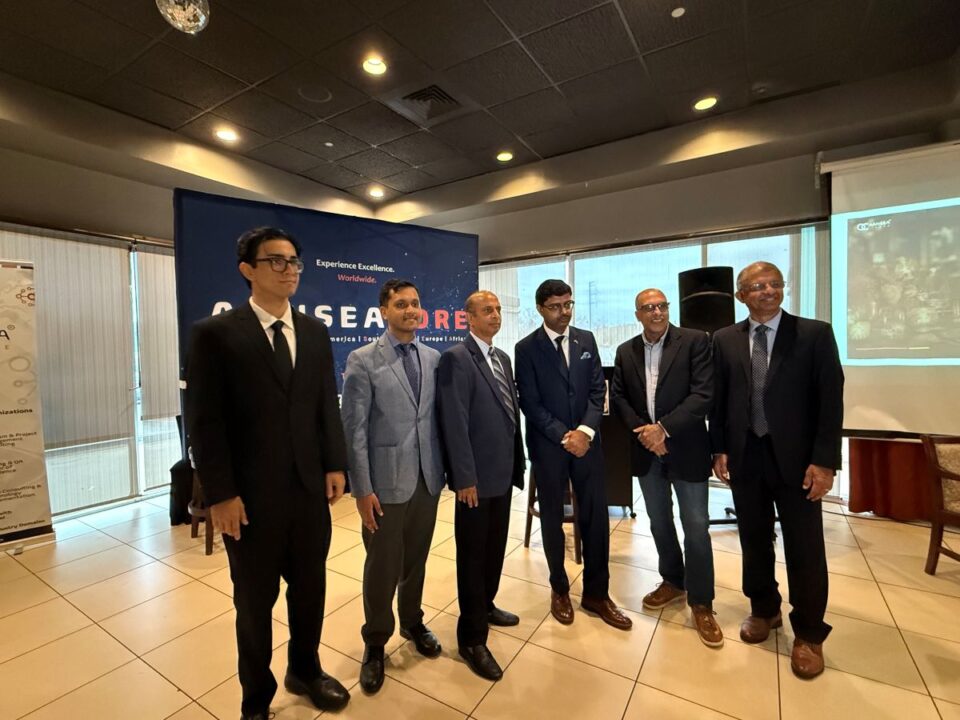
Johns Creek, GA, October 5, 2026: AANSEACORE brought together business leaders, technology professionals, educators and public-sector executives at Chef Dinesh Cafe in Johns Creek on September 23 to celebrate a professional milestone for founder and CEO Nagendra Roy.
The evening marked Roy’s more than 25 years in technology, transformation, project and PMO leadership, as well as the growth of AANSEACORE and the expanding global reach of his book, PMO Rewired.
The celebration also became a broader conversation about leadership, mentorship, responsible AI and the continuing importance of human judgment in a rapidly changing professional world.
Themed “Celebration of Professional Milestone with Mentors, Global Industry Leaders and Professionals as a Token of Gratitude,” the gathering was conceived not simply as a celebration of individual achievement, but as an acknowledgment of the mentors, colleagues, leaders and professional relationships that had shaped Roy’s journey. The event brought together conversations on public service, education, entrepreneurship, talent development and the future of the project management profession, with a recurring emphasis on how experience can be converted into service, shared knowledge and opportunity for others.
AANSEACORE is a global technology, consulting and professional-services organization working across management consulting, PMO and PPM, Data and AI, enterprise technology, digital transformation, cybersecurity and global talent solutions.
Gratitude as the Foundation
Roy used the occasion to acknowledge the mentors, friends, clients, professional colleagues and partners who had contributed to different phases of his career.
Several attendees reflected on longstanding professional associations with him, including technology implementations, project management initiatives, leadership roles and professional organizations. Their remarks also highlighted the reciprocal nature of mentorship. While Roy credited senior professionals and mentors with influencing his own development, others spoke about what they had learned through working with him.
That exchange reflected a broader theme of the program: mentorship is not simply the transfer of knowledge from one generation to another, but an ongoing exchange of experience, judgment and perspective.
Consul General Dr. Sumit Seth on India-U.S. Engagement
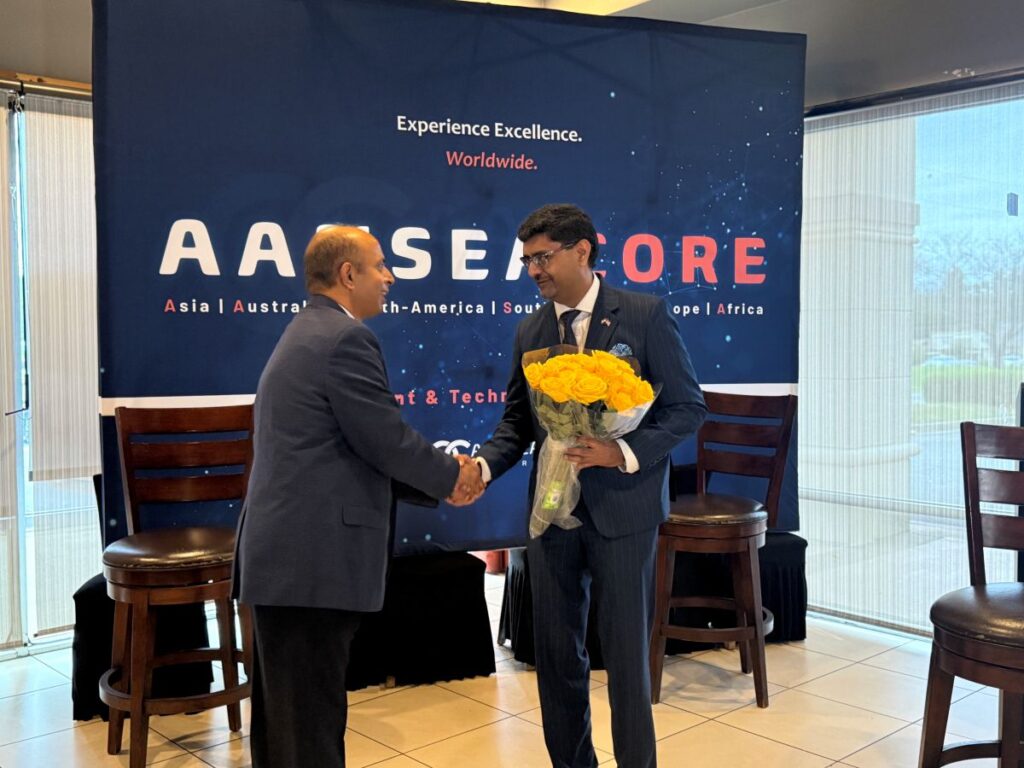
Dr. Sumit Seth, Consul General of India in Atlanta, brought a diplomatic and public-service perspective to the program, placing its themes within the larger context of India-U.S. engagement.
A career diplomat who previously served as India’s Ambassador to Panama, Costa Rica and Nicaragua, Dr. Seth outlined what he described as the “Five Ts” of togetherness, traditions, trade, tourism, technology and talent.
He spoke of cultural exchange as a means of strengthening mutual understanding, while trade and investment, he noted, create economic opportunity and deepen institutional relationships. Tourism allows individuals to experience a country directly, while talent and technology increasingly connect universities, businesses, governments and innovation ecosystems.
Drawing on the familiar expression that “flags follow the ships,” Dr. Seth offered a contemporary variation, “flags follow the chips,” referring to the growing strategic importance of semiconductors, digital infrastructure and technology partnerships.
His remarks also touched on the quality of decision-making. Speed, he observed, has limited value if the underlying direction is flawed.
Dr. Seth also referred to expanding the “surface area of luck” by meeting more people, creating new connections and widening the potential for collaboration.
PMO Rewired: From Experience to Shared Insight
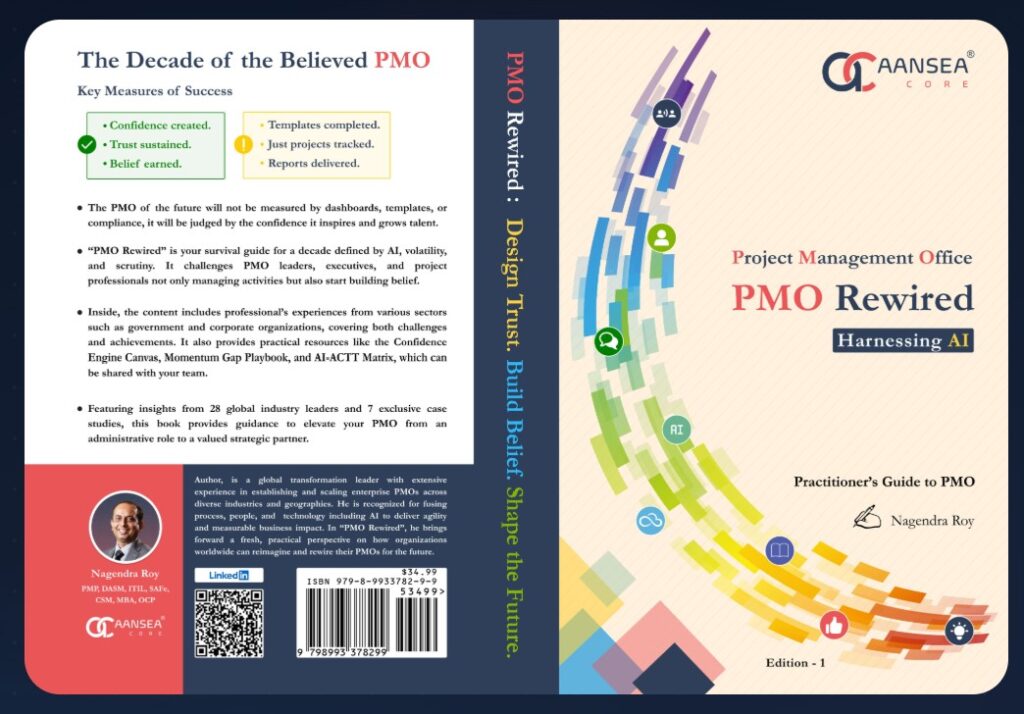
Roy’s book, PMO Rewired, formed another important dimension of the evening.
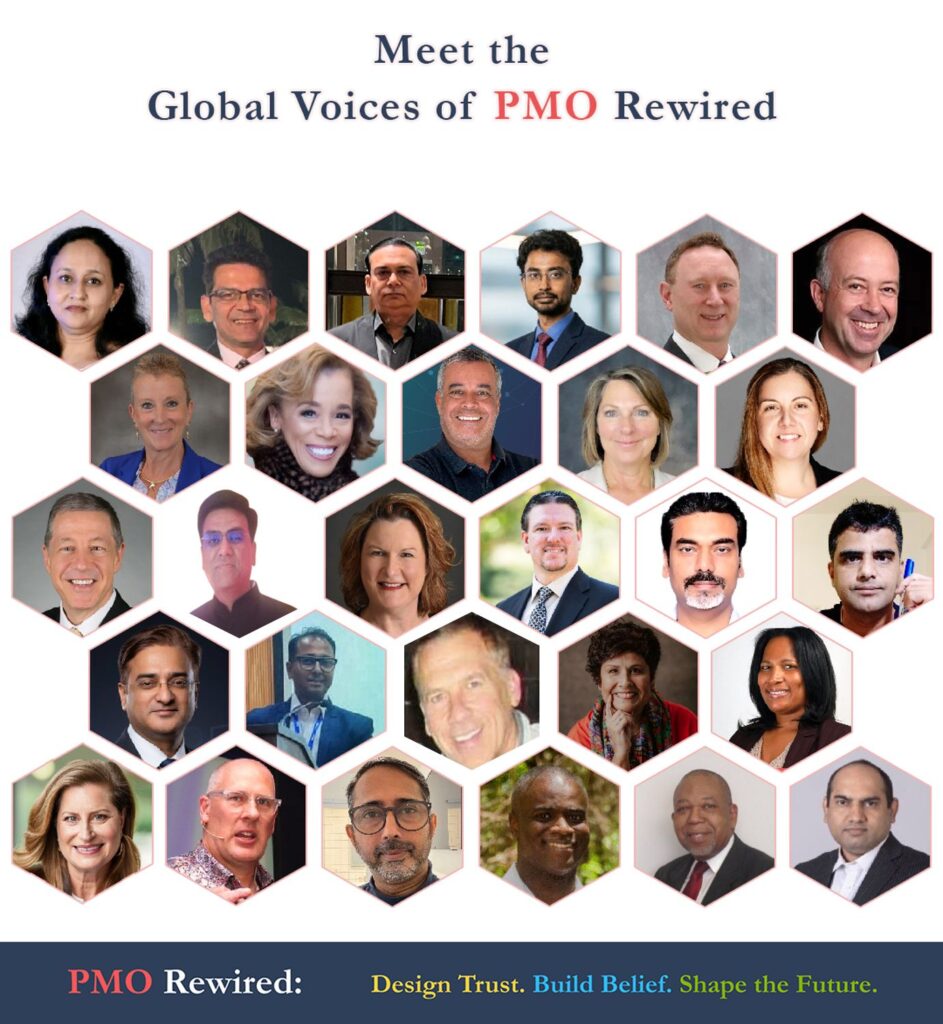
The book has reached readers in 25+ countries and has received 5-star reader ratings. It brings together the perspectives of 28 global leaders and experts who have worked with or collaborated with Roy during his career.
The collaborative structure was intentional. Roy did not want the book to represent only his own experience, but to reflect lessons drawn from multiple industries, leadership environments and professional contexts.
Rather than treating the Project Management Office solely as a function of schedules, reporting and controls, PMO Rewired examines broader issues of trust, leadership, decision-making, responsible AI adoption and measurable organizational value.
Conversation with NRI Pulse
In a conversation with NRI Pulse, Roy said the book grew out of more than two decades of observing projects and transformation programs from multiple vantage points, as a project leader, consultant, technology executive and PMO leader.
He said organizations often possessed sophisticated methodologies, dashboards and governance structures while still struggling with basic questions: Did people trust the information? Were leaders making better decisions? Was the project actually solving the problem it had been created to address?
That experience led to one of the book’s central conclusions:
“Delivery and value are not the same thing.”
Roy explained that a project can meet conventional indicators of success, completed milestones, controlled budgets and accepted deliverables, and still fail to create the intended benefit.
He said organizations must also examine whether users adopted the solution, productivity improved, risk declined, customer experience changed or the original problem was meaningfully resolved.
Trust and Accountability
Trust was another theme Roy addressed directly in the NRI Pulse interview.
“Trust is not the absence of control. It is confidence that the information, people and decisions can be relied upon.”
Roy noted that organizations can unintentionally weaken trust when employees become reluctant to report problems because negative information is treated primarily as failure.
He argued that effective leadership requires an environment in which professionals can raise risks early, present evidence, explain changing circumstances and identify the support or decisions they require, while still remaining accountable for outcomes and commitments.
Leadership, AI & Mentorship: Human Judgment in an AI-Enabled World
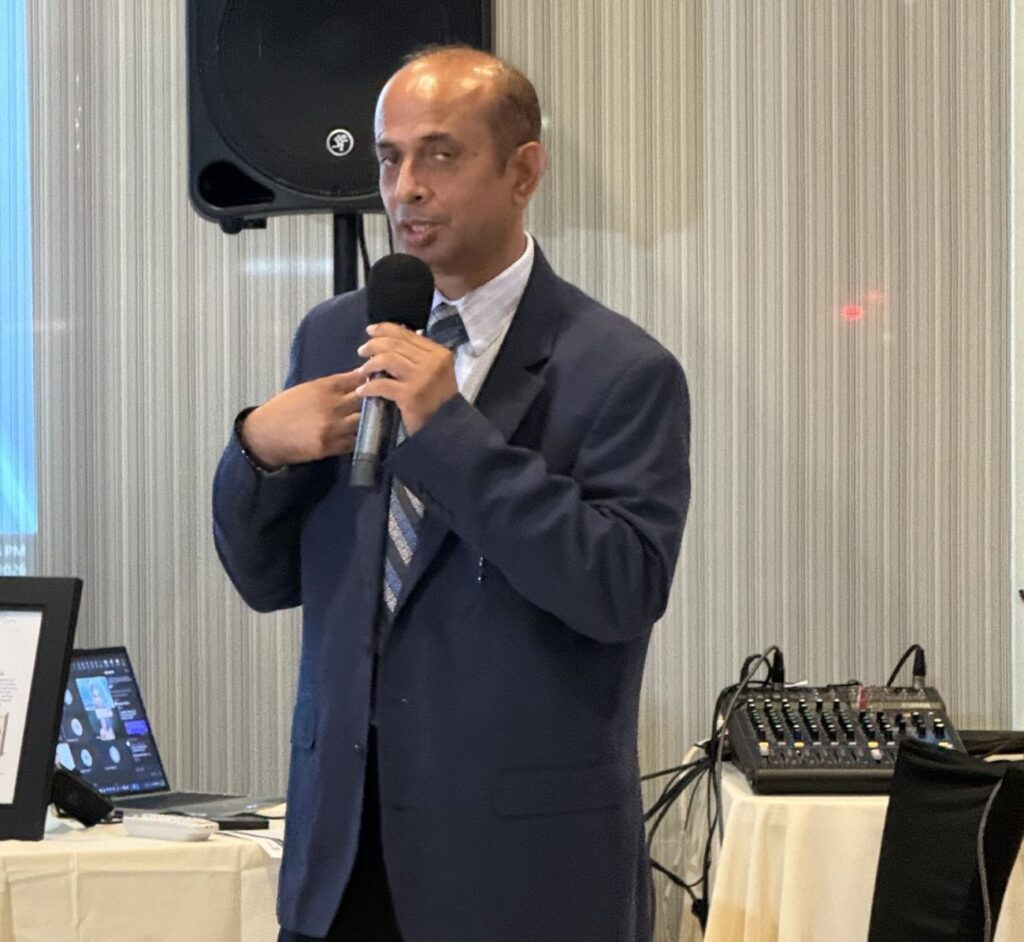
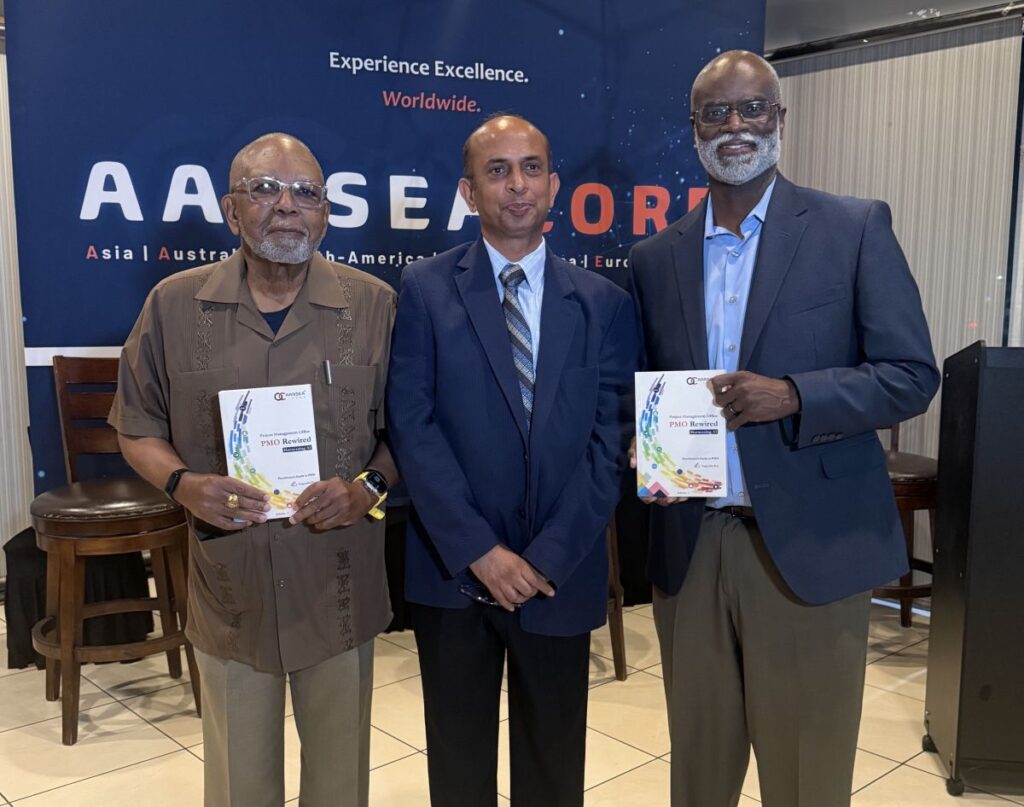
The evening’s central panel, “Leadership, AI & Mentorship: Human Judgment in an AI-Enabled World,” was moderated by Roy and featured Tim Dunn, Director, PMO at Gwinnett County Public Schools, and Elder Travis Allen, Director, PMO at the Georgia Department of Education.
The discussion examined where AI can strengthen planning, analysis, reporting and early risk identification, and where human judgment must remain decisive.
Panelists emphasized that AI can identify patterns, accelerate analysis and support decision-making, but human leaders must continue to own accountability, ethical judgment, organizational context, stakeholder relationships and consequential decisions.
Public-sector and education perspectives also brought practical concerns around privacy, security, bias, accuracy and explainability into the conversation.
Roy summarized the distinction in one sentence:
“AI can accelerate the analysis. It should not inherit the accountability.”
The panel also considered how leaders should respond when AI identifies a project as high-risk before a project manager does. The consensus was that algorithmic insight should be taken seriously, but reviewed within a broader human and organizational context before action is taken.
Data, Governance and Responsible AI
The discussion of AI naturally moved to the quality and governance of data.
Dunn emphasized the importance of data integrity, security and accessibility, particularly in public-sector and education environments where sensitive and personally identifiable information may be involved.
The broader point was that AI systems are only as reliable as the information on which they depend. Responsible adoption therefore requires more than technical capability. It also demands sound governance, privacy safeguards, cybersecurity, data quality and clear accountability.
Leadership Beyond Technical Expertise
Another discussion considered whether organizations should prioritize technical strength or leadership ability when selecting professionals for complex project environments.
Both panelists leaned toward leadership while acknowledging that certain projects may require deep technical expertise.
Their reasoning was that technical skills can often be strengthened through training and experience, while leadership qualities such as judgment, communication, trust-building and the ability to guide teams through uncertainty are more difficult to develop quickly.
The exchange reinforced another recurring idea of the evening: technology projects may be built around systems and platforms, but their success ultimately depends on people.
Mentorship in a Changing Professional Landscape
Mentorship completed the intersection of leadership and AI.
The panel discussed the value of experienced professionals sharing judgment, context and lessons accumulated over time, while also learning from younger professionals who bring emerging technologies, new methods and different perspectives.
Panelists encouraged younger professionals to build networks, seek mentors early and remain committed to lifelong learning. Roy similarly described himself as a lifelong learner and emphasized that meaningful guidance can come from people across professions, generations and geographies.
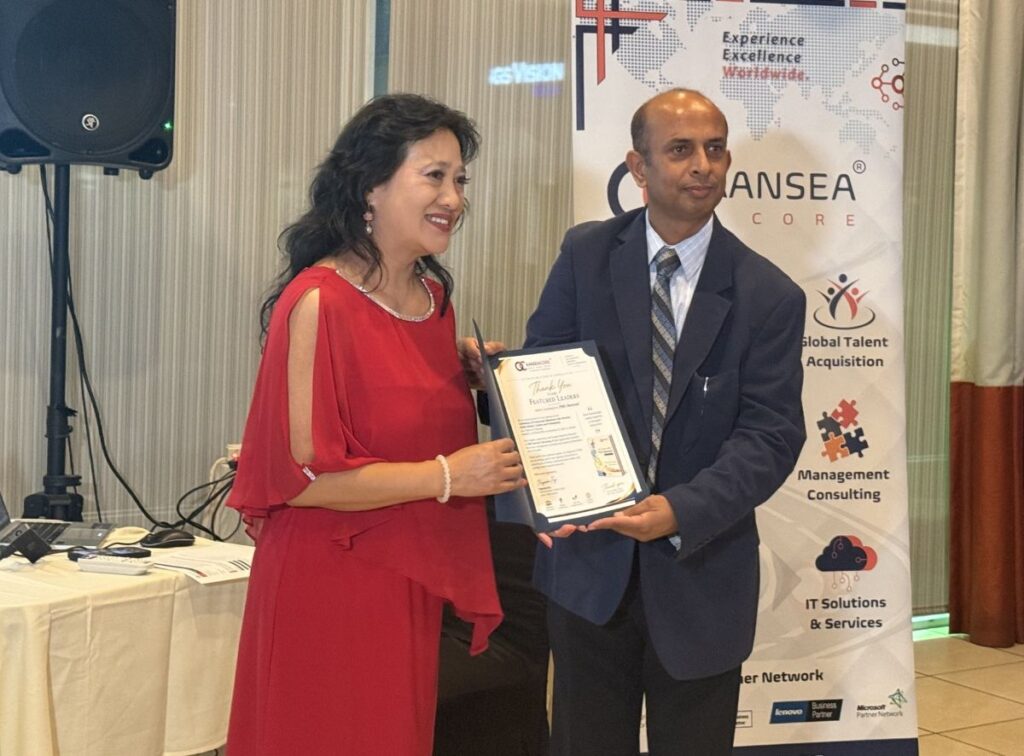
28 Global Voices, One Professional Journey
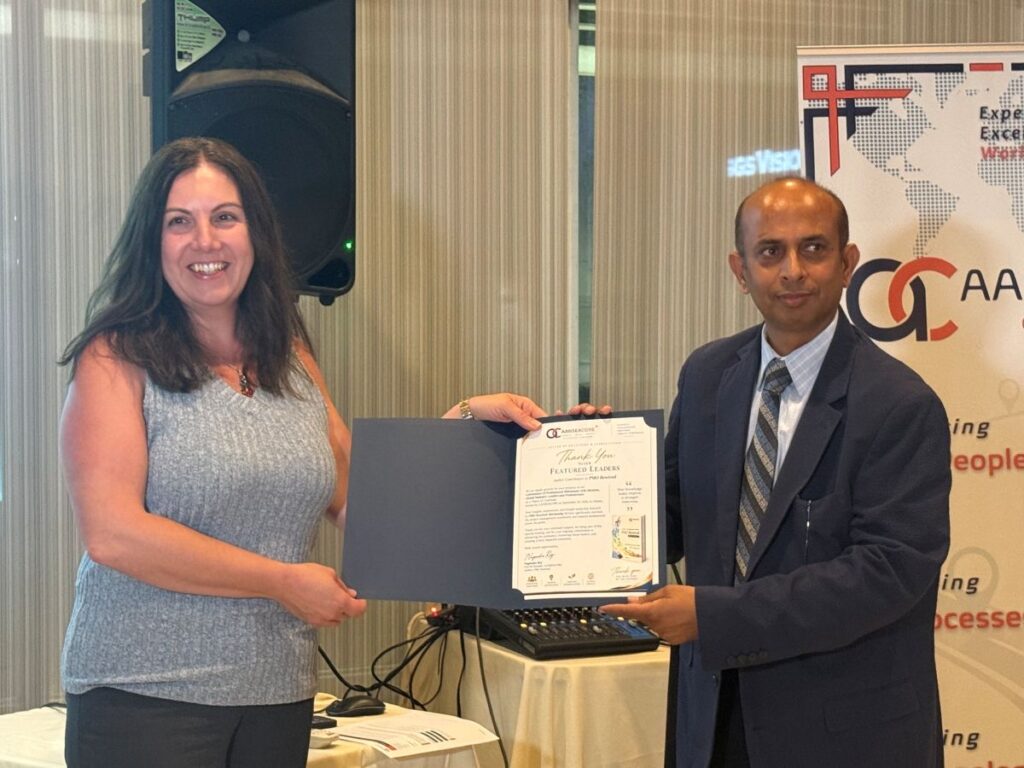
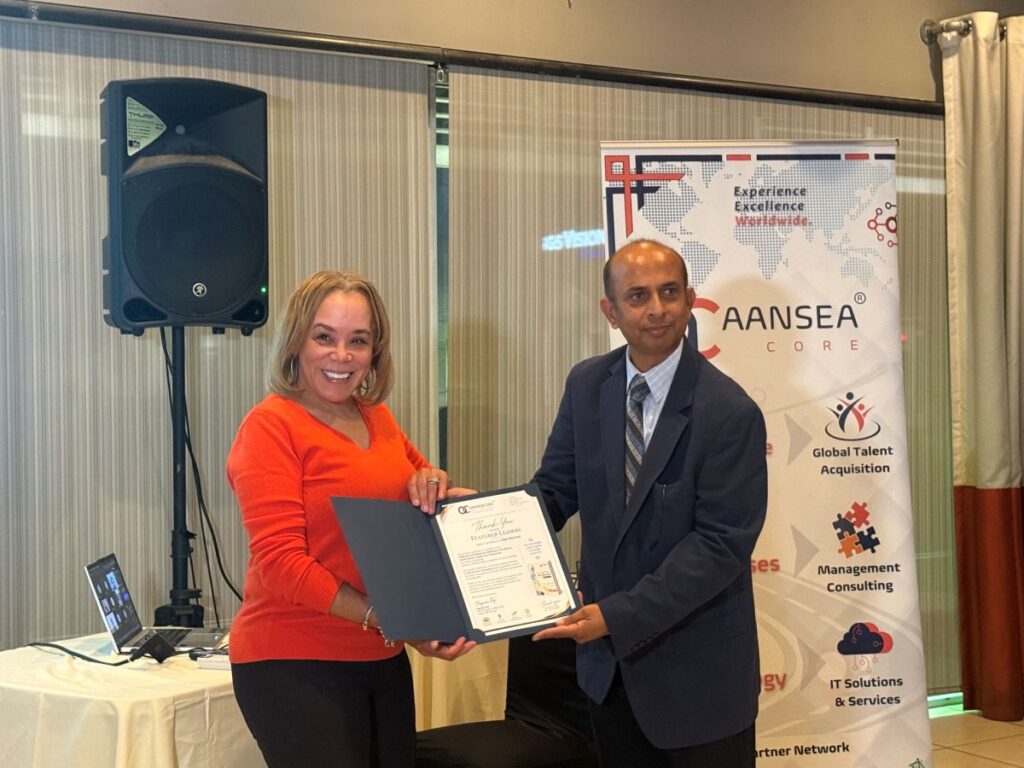
The contributor-recognition segment further illustrated the collaborative philosophy behind PMO Rewired.
The book brings together 28 global voices representing different industries, leadership experiences and professional perspectives. According to Roy, each contributor is someone with whom he has worked or collaborated during his career.
Their inclusion reinforces the premise that professional wisdom is accumulated collectively, through projects, challenges, successes, failures and sustained collaboration.
The evening’s international reach reflected that philosophy as well.
The Leadership, AI & Mentorship panel was streamed worldwide, with professionals joining from the United States, Canada, India, Australia, New Zealand, Peru, Argentina, Ghana, the United Arab Emirates and the United Kingdom.
Professional Contribution Beyond the Workplace
The gathering also emphasized education, talent development, community participation and India-U.S. engagement, broadening the discussion beyond organizational performance alone.
These themes reflected a larger view of professional responsibility, one in which experience can be applied not only within companies and institutions, but also through mentoring, knowledge-sharing and community engagement.
Roy summarized that philosophy in another of the evening’s defining statements:
“Professional experience eventually needs to move from achievement to contribution.”
The concluding recognition of mentors, colleagues, contributors and family members brought the program back to its original purpose: acknowledging the individuals and relationships behind a professional journey.
The evening’s discussions offered a coherent view of contemporary leadership. AI can improve analysis and accelerate work, but it does not replace judgment. Project completion is not synonymous with value. Mentorship remains essential even as technology changes how professionals work. Experience, in turn, gains greater significance when it is shared.
For an event framed around a professional milestone, the larger focus ultimately rested not on the milestone itself, but on what comes after it, how accumulated knowledge, relationships and experience can be converted into contribution.
