




BY SHIKHA DAS SHANKAR
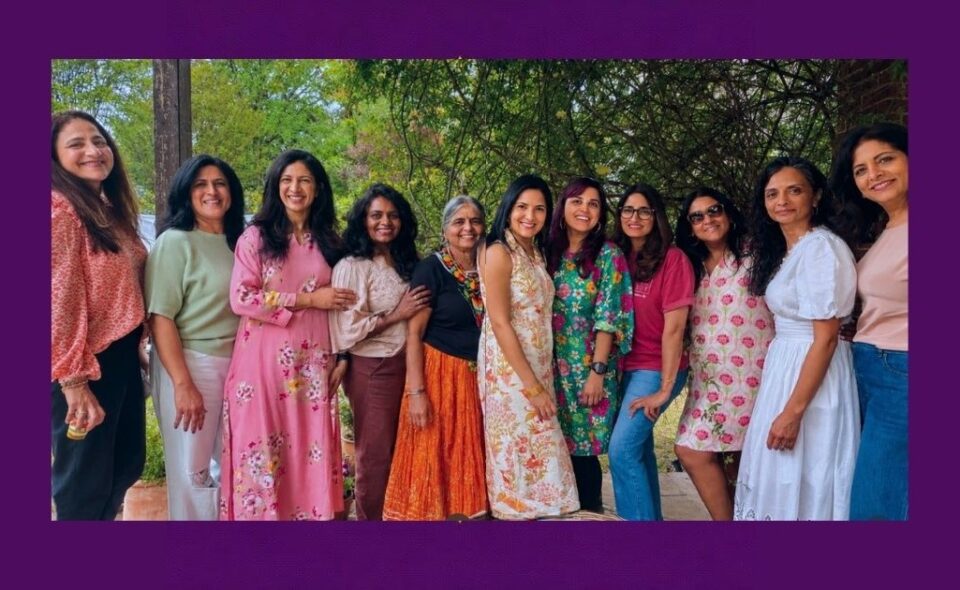
A dozen South Asian women are making waves in Atlanta’s thriving food and beverage scene. They’re building from scratch, taking the risk to become founders, and believing in products that are a strong representation of their roots. Knowing each of their stories individually, Sucheta Rawal, an award-winning food and travel writer and three-time TEDx speaker, decided it was time to bring all of them together into a collective that helps them talk business, quite literally.
Over the years, as a journalist, Sucheta came across these women one by one, telling their stories because she believed each of them had something worth sharing.
That belief became a plan in April 2026, when Sucheta invited them to her house for lunch, where she announced her vision for a collective called Saffron Circle. The aim was to provide support, visibility and a safe space to deliberate on everything business, and the idea resonated fast. The pull was instant, toward Sucheta’s idea, and toward each other.
A League of Their Own
Saffron Circle wasn’t a single idea that struck Sucheta all at once. She had spent years as a food and travel journalist in Atlanta, bringing her face-to-face with many South Asian entrepreneurs. The interviews often stretched for hours, outlasting what she’d originally come to talk about. As she shared stories of these entrepreneurs, a bond was formed, and sources became friends.
“It wasn’t a specific moment,” Sucheta says. “It’s been a series of moments. Coming to know a lot of these South Asian entrepreneurs living here in Atlanta over time. For my work as a journalist as well, I’m always searching for their stories and featuring them.” “It’s not just an interview,” she says. “Every time we would meet, it would be a three-hour-long conversation, and we would become friends.”
The group that formed that day at Sucheta’s house has twelve founding members, including Sucheta. Each member brings something unique to the South Asian culinary scene and is committed to preserving their culture.
Andal Balu started CocoaTown out of a garage in 1992, an immigrant with two young daughters and, by her own account, without the capital or connections most founders take for granted. She now builds the equipment other small chocolate makers use to get started.
Archna Becker learned to cook standing beside her grandmother and runs Bhojanic catering and Tandoori Pizza and Wings Co. Her philosophy remains the same over the years—no shortcuts and nothing watered down. Shweta Bajaj taught herself Belgian chocolate-making with no formal training and turned it into Cacao and Crave, infusing decadent chocolate and Indian inspired flavors. Sara Naqvi and her husband Abbas built Punjab Spice Company inspired by the plant-based Pakistani cooking they grew up with.
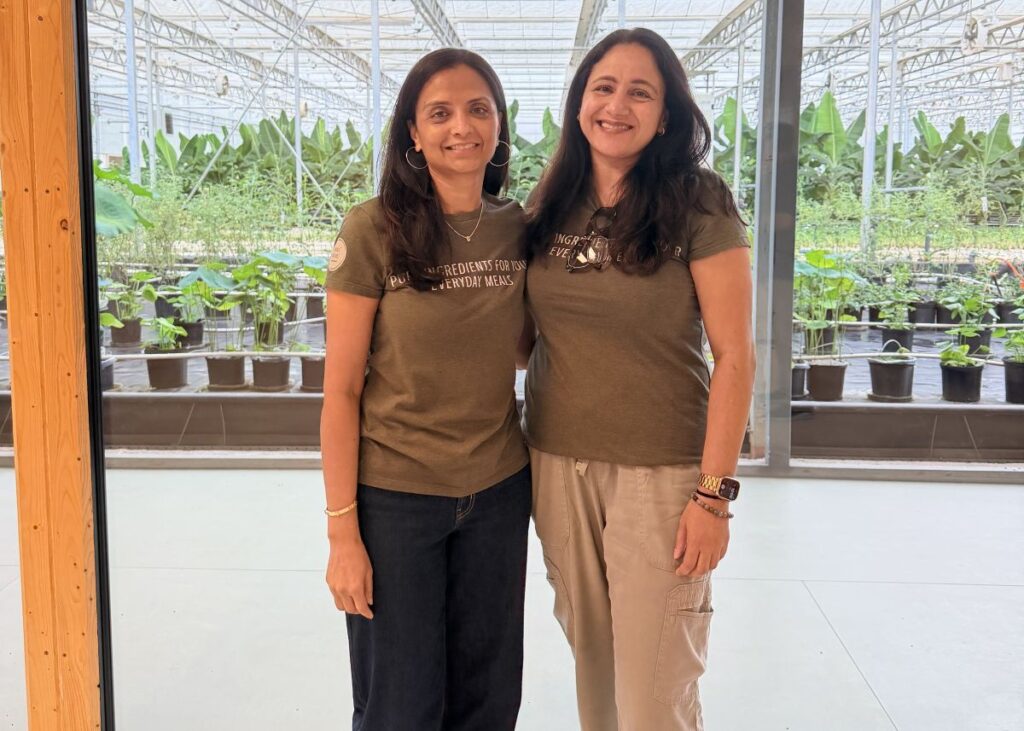
Ushma Patel and Malvika Mohan, friends since 2004, spent two decades as working mothers before starting their own high-quality, single-origin spice company called Humble Origins Superfoods. Sonia Paryani of Sincerely, By Paryani, spent sixteen years in the fine jewelry business before an autoimmune diagnosis sent her looking for cleaner ingredients, and brought the same craftsmanship into baking delicious gluten-free goods as she once brought to jewelry. Alak Nanda, who comes from a family of rice farmers, built PODI Life to put South Indian pantry staples on shelves that had never been carried. Divya Raghavan runs Coffee Ki Rani on the side of a full-time job in cybersecurity. She didn’t fully appreciate the South Indian filter coffee she grew up with until she tasted it again at her own wedding.
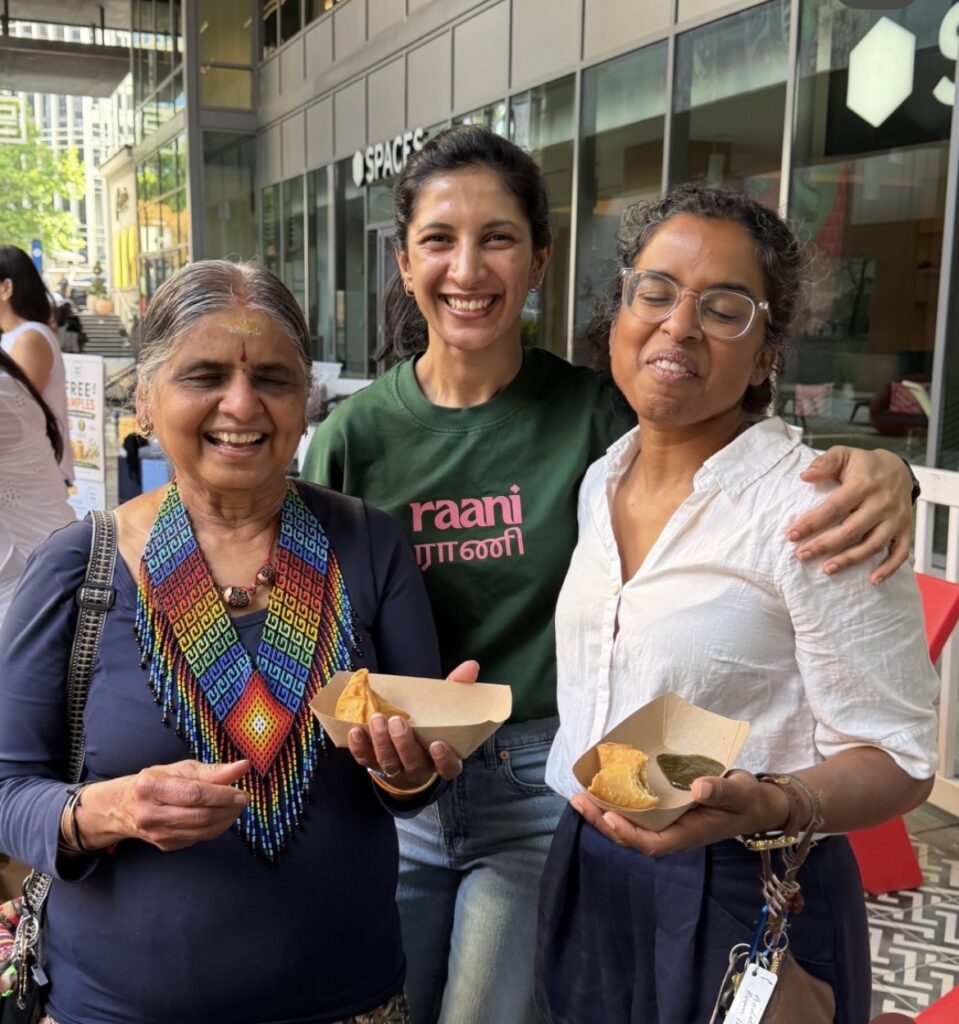
Monica Sunny turned a Friday afternoon ritual with her three sons into The Chai Box brand and recently opened the first Chai Café in Atlanta that sees people lining up outside the café before opening. Praveena Sundarraj, who grew up sneaking sips of coffee on her family’s plantation in the Nilgiri hills, cashed out her retirement savings last year to open Raani Coffee, offering authentic South Indian filter kaapi. It didn’t take long for Raani to become a local favorite.
Common Thread
What kept striking Sucheta, interview after interview, was the same pattern. Nearly every one of them started by solving a problem in her own kitchen, for her own family, until friends and neighbors started asking for more of it. “They wanted my chocolate, or my coffee, or tea, and then expanded the business,” she says. Eventually, most worked up the nerve to leave a stable job for something they’d had no training in, in a country they’d immigrated to, leaving a “cushion job” for something with no guarantees. “That was something everybody had in common,” she adds.
Underneath the different products, the women of Saffron Circle keep circling back to the same things. They exited corporate jobs they’d trained for, self-funded their businesses, and carried recipes their families had passed down to them. The execution was filled with challenges they figured out how to tackle along the way. In a short time, these women have found somewhere safe to share what they know, ask what they don’t, and give each other’s products the visibility they’ve earned.
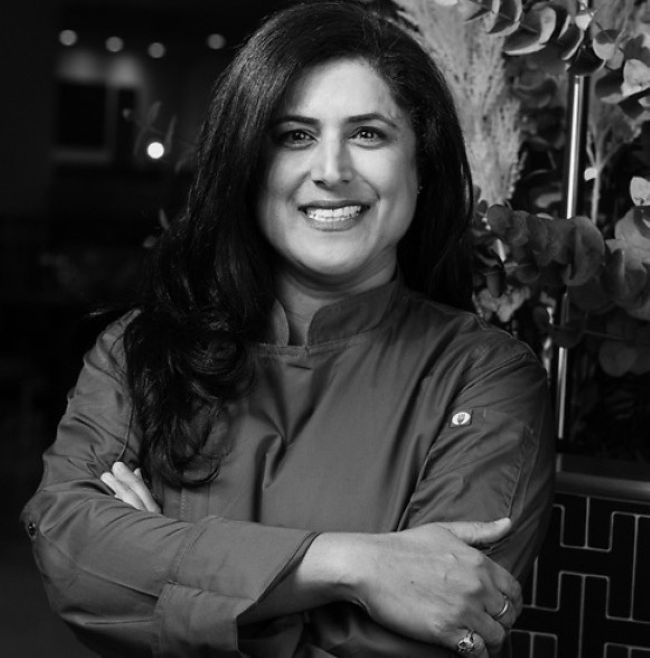
Three decades and one well-known Atlanta kitchen named Bhojanic later, Archna Becker now runs Tandoori Pizza & Wing Co. out of Colony Square in Midtown. So, when Sucheta invited her for lunch in April, she was surprised to see the room was full of other female South Asian entrepreneurs. “I’m just busy all the time. Either I am traveling or working. So I didn’t even realize there were so many local women, South Asian women, doing all these things.”
What struck her was how much newer everyone else was to it. “As soon as I walked in, I’m like, ‘Oh my God, this makes so much sense,'” she says. She offered to stock their products on the spot. Within weeks, eighty percent of her retail wall was South Asian women’s brands. “We have a whole retail side. We need to put all these brands in our place. They’re all newer; they don’t have a retail spot. It’s good for us to market them, and for them to market us,” she says. “It’s good for cross-promoting and helping each other. Good for everyone,” Archna says.
Archna isn’t limiting who gets to display their products at her Midtown restaurant. If anything, she’s at the point of restocking what already sold out. ‘It’s not like, oh, one person’s doing chocolate, I can’t carry,’ she says. ‘We’re all going to help each other.”
When another member of the circle, Monica Sunny, recently opened the first Chai café in Atlanta, Archna’s advice was short but packed with honesty and humor. ‘Welcome to the crazy.”
Words of Wisdom
The purpose with which Sucheta started the collective is already taking shape. “This is going to be an incubator of knowledge,” she said, “for other women who are sitting there to be inspired on how to start the business, but also have the steps, and maybe some sort of mentorship.”
So, while one member offered a retail wall, another offered something harder to give: insight into the delays and expenses she wishes someone had warned her about when she was starting out.

Sonia Paryani spent sixteen years running three fine jewelry stores in Savannah with her husband. Retirement and relocation to Atlanta in 2016 to be closer to their sons was followed by an autoimmune diagnosis that made her take things into her own hands rather than depend on medications that weren’t doing much. She started Sincerely, by Paryani, a gluten-free baked goodies company with clean ingredients and real flavors. What started as cooking for herself turned into a thriving business with a professional kitchen set-up to carry out all the baking. The business was built with a strong purpose by someone who already knew what running a business looked like. But even for the experienced ones like Sonia, challenges came from unexpected corners.
The amount of time it took for her to get a license for the facility that would become her baking kitchen was far longer than she had ever imagined—an excruciating 18 months. An unexpectedly large expense arose when county regulations changed in the middle of the process, requiring her to invest in a grease trap that met the new guidelines.
It was these bottlenecks and delays, and how Sonia managed to overcome them, that became words of wisdom for the other members. That kind of hard-earned knowledge is exactly what she now puts back into the group.
She states that this is information that she willingly shares with the business owners starting out the process of renting and licensing. “By sharing my experiences, I can help others understand that things can be longer than expected. It may not be three months before opening, like you may be planning for,” says Sonia.
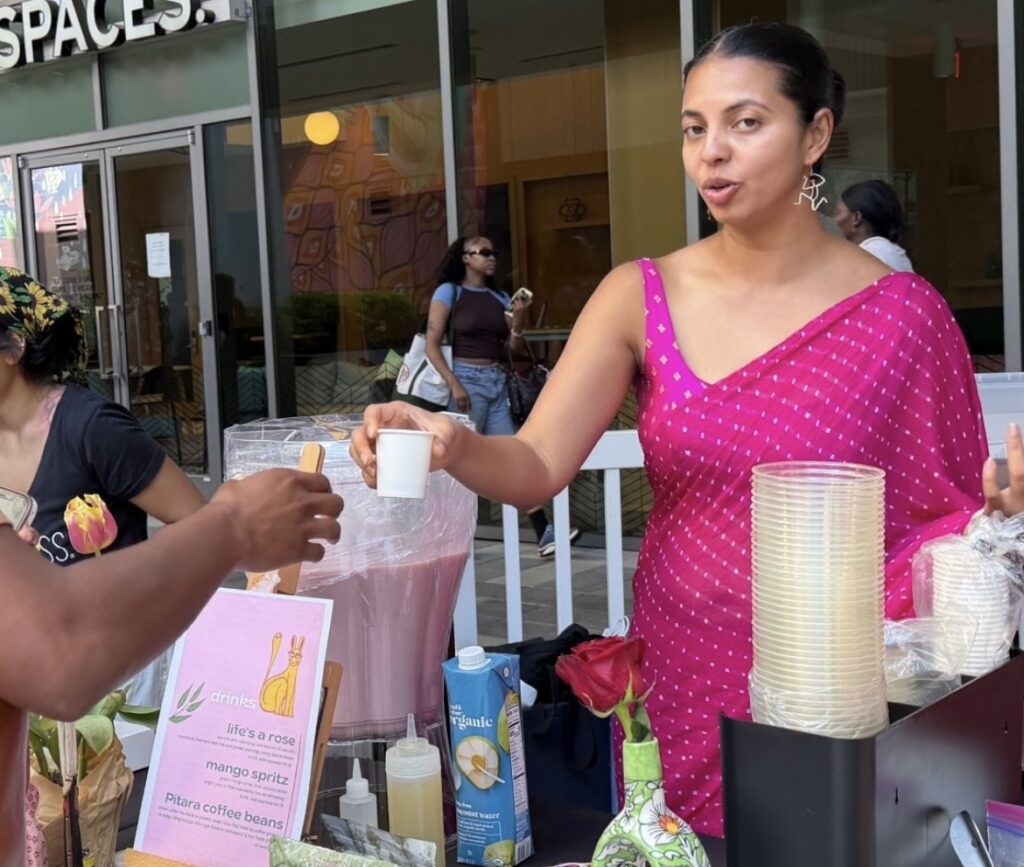
As part of Saffron Circle, she maintains a shared events calendar for all twelve members that’s currently booked out to 2027. She also tracks which vendor fairs and pop-ups are worth the entry fee, months in advance. “Somebody has already done an event and it was really not a good event,” she says, “or something that was phenomenal. So we know, oh, this is a fantastic event, please go ahead and attend this one, or this was not a really good event.” Sonia would love to see everyone get in front of local chambers of commerce for more visibility, especially heading into gifting season
Beyond Networking
Saffron Circle is going beyond being just another networking group. In May, the group made its public debut at Yoga on the Lawn at Colony Square in Midtown. Co-hosted by Archna Becker’s Tandoori Pizza and Wing Co., the event saw members set up booths alongside one another, offering product samples to hundreds of guests. All three businesses interviewed for this article said the event gave them greater visibility and helped them reach a wider audience.
Archna plans to do another one at the same location before the yoga season closes in fall. And Sucheta is thinking along the lines of a Diwali event in Decatur. Partnerships between brands are happening, and the group has become a go-to place for members to ask a range of questions from packaging to marketing to licensing.
For Ushma Patel and Malvika Mohan, Saffron Circle gave them other women to talk business with and a machine that could grind their spices. The two have been friends since 2004, way before they imagined ending up in the spice business. In April 2023, they got talking on a bench in Piedmont Park about how the spices they used every day didn’t seem to carry any real benefits anymore. A trip to India and a trusted family friend pointed them toward high-quality turmeric grown in Meghalaya, and Humble Origins Superfoods was born out of a desire for spices that actually delivered on what their families had always claimed.
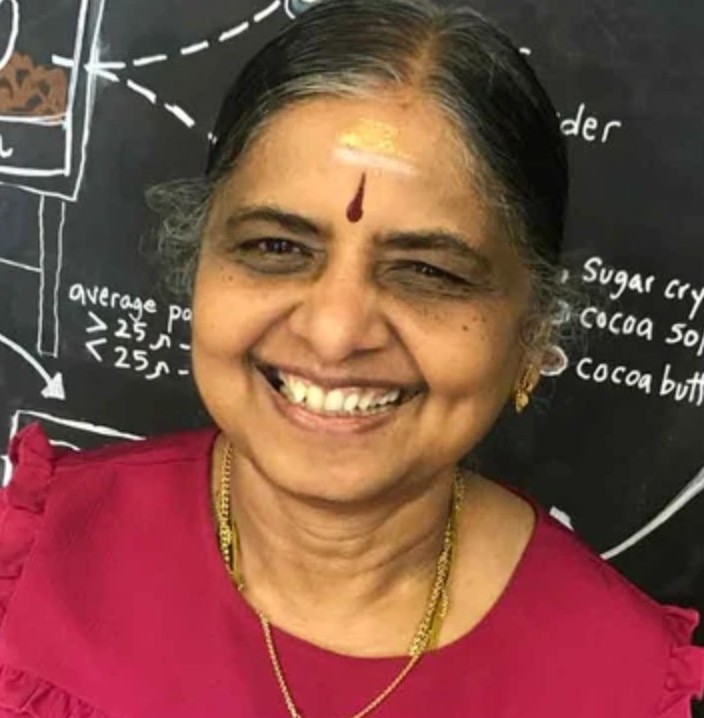
Self-funded from the start, every purchase had to be justified. When Ushma needed a better way to grind whole spices like nutmeg, she didn’t look for a supplier; she’d just met Andal Balu, an engineer who builds chocolate-grinding equipment under the name CocoaTown, and bought one of her machines on the spot. “Right off, we got the machine from Andal,” Patel says, “because we do spice medleys and we also get pieces of nutmeg, and nutmeg is hard.” They tested the machine together in Balu’s kitchen, and it worked. A bean-to- chocolate grinder turned into an essential spice tool for the duo.
Ask Patel what’s mattered most after five months, and she doesn’t point to any single trade. “It’s knowledge, right?” she says. “We just didn’t know these women were out there, and it’s the idea of having a group to fall back on.” The group keeps a running WhatsApp thread for exactly that: packaging questions, legal questions, accounting questions. “It’s become like a forum,” she says.
She’s eyeing more visible shelf space too, maybe at Chai Box or Raani, if a partnership comes together. The golden milk mix as a latte alternative, the cinnamon as a topping, maybe even the harmony medley worked into a ginger drink the way her own grandmother used to make it for kids too young for chai, the possibilities are many for their business.
The Road Ahead
Ask Sucheta Rawal where she sees the circle going, and she has a clear vision. “This is like year one,” she says. “Year two, I see them helping others. We would create a mentorship program. We’ll maybe have some students or startups that want to also receive some of this knowledge, come in, maybe become incubators.”
Her vision for year three is even bigger. “Maybe have a Shark Tank-like setup, where the existing businesses can also invest in new projects started by other South Asian women.”
Nothing like that exists yet specifically for South Asian entrepreneurs, she says, and she isn’t interested in waiting for someone else to create it.
It tracks with everything already happening in the group, just further out. Right now, every woman in Saffron Circle has something to offer someone else, a machine, a warning, a shelf, or a name to call when something breaks. Rawal does not want this to stay a closed loop forever. The knowledge currently moving between twelve women who’ve learned the hard way is meant to eventually move outward to whoever comes next and wants to start a business.
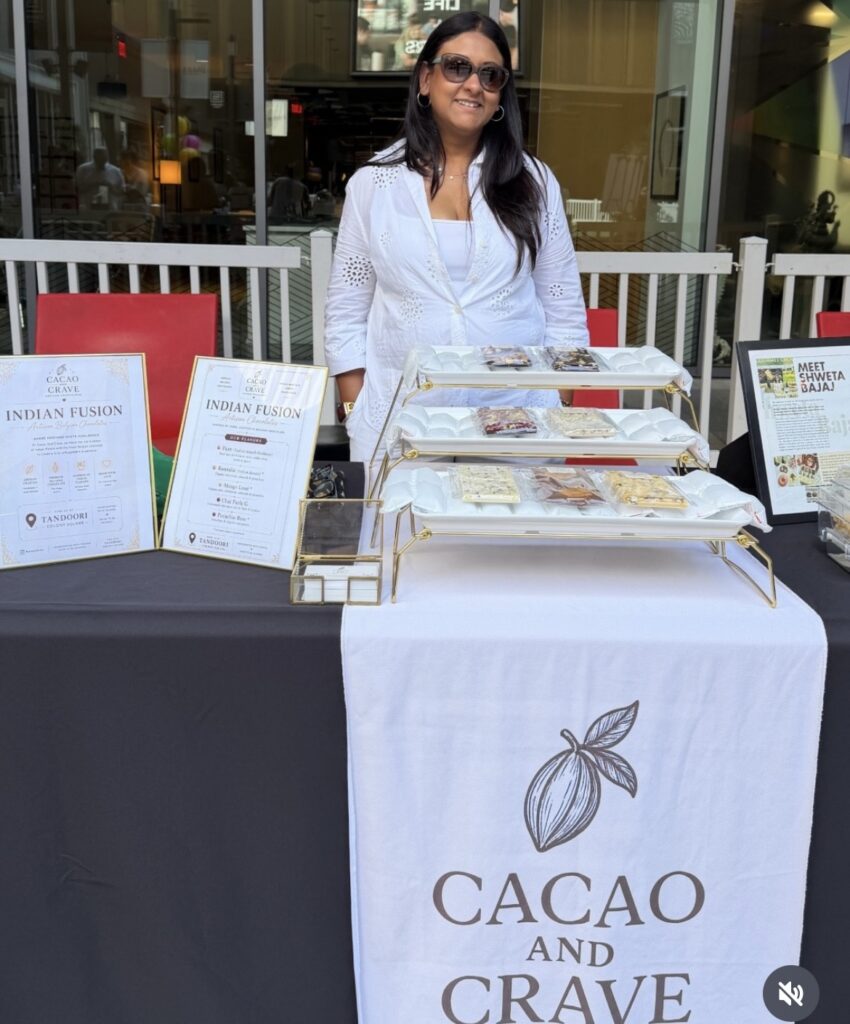
“It’s more about investing in other women and helping them grow,” she says, pausing on the word passion, the one thing she says every woman in the group actually has in common. “I would much prefer a female understanding my point of view rather than males,” she adds. “It’s going to be a positive change.”
Saffron Circle isn’t the first group built on that idea. La Cocina, a San Francisco-based incubator for women and immigrant entrepreneurs, started the same way in 2005: an informal, food-based group, spread mostly by word of mouth. Two decades later, it helped launch more than 150 businesses, over 90 of them still running today. The real value isn’t the stat. It’s proof that this pattern can work and grow into something concrete—an understanding of what it takes to formalize a home-based business, visibility for the product, and a pool of resources built from each other.
Members of the Circle Saffron
Sucheta Rawal, Founder
https://saffroncircleatl.com/
https://goeatgive.com/
Sonia Paryani: Sincerely, By Paryani
https://eatsincerely.com/
Monica Sunny: The Chai Box Café
https://thechaibox.com/
Praveena Sundarraj: Raani Coffee
https://raanicoffee.com/
Andal Balu: Cocoatown
https://cocoatown.com/
Archna Becker: Bhojanic/Tandoori Pizza & Wing Co.
https://www.bhojanic.com/
Shweta Bajaj: Cacao And Crave
https://www.instagram.com/cacaoandcrave/
Sara Naqvi: The Pak Vegan and Punjab Spice Company
https://thepakistanivegan.com/
Malvika Mohan & Ushma Patel: Humble Origins Superfoods
https://humbleoriginssf.com/
Alak Nanda: PODI Life
https://www.podilife.com/
Divya Raghavan: Coffee Ki Rani
https://www.instagram.com/gonewithawhim
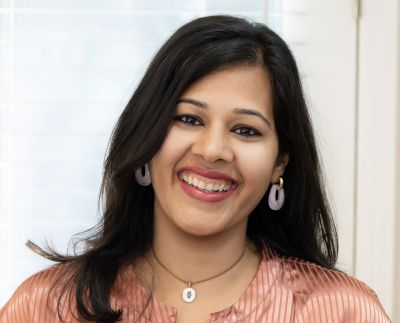
*Shikha Das Shankar is a feature writer for NRI Pulse.
