



BY MOHAN NAIR*
For over 26 years, I have traveled across the United States for work. Over time, one thing has become unmistakably clear: travel is no longer what it used to be. It has become increasingly stressful, complicated, and time-consuming.
There was a time when going to the airport felt simple. You could walk someone to the gate, help elderly family members who didn’t speak the language, and ensure they boarded safely. All it took was a simple gate pass, sometimes free, sometimes paid. Then came the events of 9/11, which fundamentally changed air travel. Security became tighter, and understandably so. Every passenger became subject to screening, sometimes to an extent that felt intrusive.
Yet, passengers adapted. We accepted the rules. We stood in long lines, arrived hours early, followed TSA procedures, and adjusted to the “new normal” without much complaint.
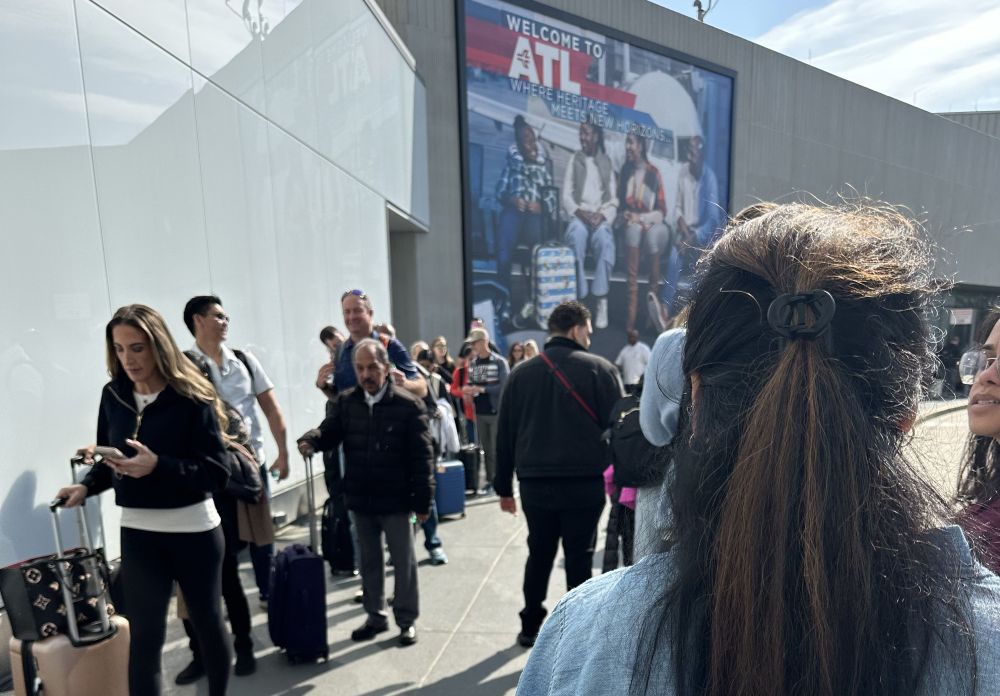
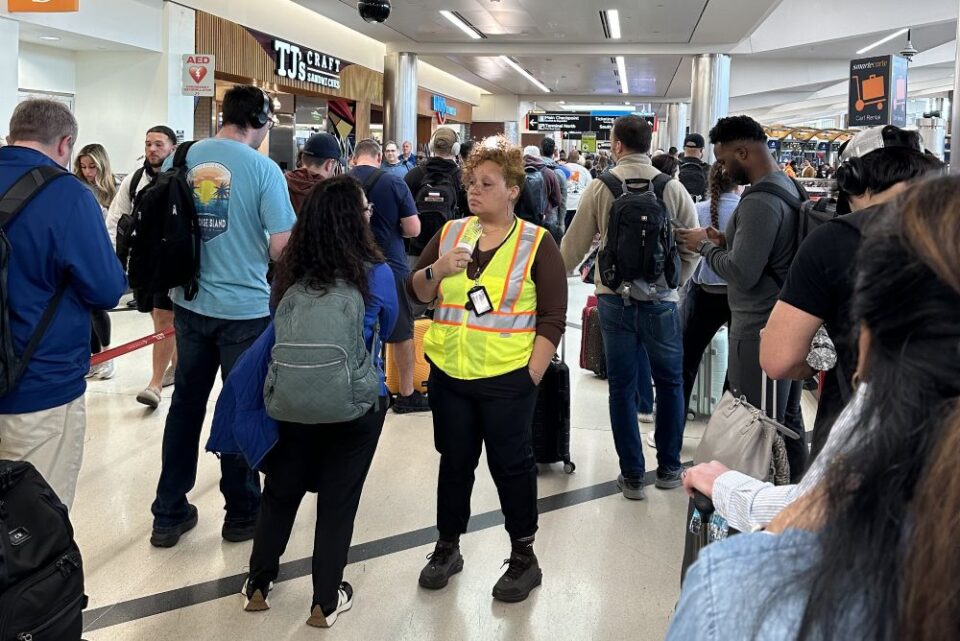
But what we are seeing today goes beyond necessary security measures. Recently, at Atlanta airport, even TSA PreCheck lines stretched to extraordinary lengths starting far outside the terminal. Situations like this are no longer occasional inconveniences; they reflect a deeper systemic problem.
To their credit, TSA staff tried to make the situation more bearable, they even handed out free water along the lines, which was thoughtful. They clearly anticipated thirst. Addressing the other inevitable consequences of hours-long waiting, however, didn’t seem to make the checklist. Perhaps the line wasn’t quite long enough yet to justify portable restrooms.
To be clear, this is not a criticism of the frontline staff managing security checkpoints. They are doing their jobs under the constraints given to them. The real issue lies elsewhere, with the elected officials in Washington.
These are the individuals we vote for. They campaign on promises to make life easier, to spend taxpayer money wisely, to ensure security, build infrastructure, and create opportunities. In return, they ask for our votes and financial support. We understand that not every promise can be fulfilled. Governance is complex, and limitations exist.
However, what is happening in Washington today goes beyond unmet promises, it reflects a failure of responsibility.
The phenomenon we call a government shutdown is often explained through political talking points and partisan blame. But stripped of rhetoric, it represents something simpler: an inability of elected representatives to do their jobs. It is a failure to reach consensus, to make decisions, and to act in the public’s best interest when it matters most.
And if consensus is not possible, then put it to a vote and decide. Political parties are not expected to agree on everything, that is precisely why the Constitution provides a process to resolve differences through voting. Allowing deadlock to persist instead of deciding is not strategy; it is avoidance. Why should the public be held hostage to that indecision?
Instead of resolving differences, lawmakers allow negotiations to collapse into stalemates. The result is paralysis, government services disrupted, employees unpaid, and citizens left dealing with the consequences.
At the same time, these same institutions continue to spend beyond their means, repeatedly raising borrowing limits and increasing national debt. The process has become routine: argue, delay, threaten shutdown, and eventually agree, often at the last moment, after attaching competing priorities to essential funding measures.
This raises a fundamental question: if raising the borrowing limit is inevitable, why maintain the recurring crisis around it? Why subject citizens to uncertainty and disruption as part of a political bargaining process?
In effect, government shutdowns turn citizens into leverage. They are no longer just policy outcomes, they are tools used in negotiations.
Voters, too, have a role to play in breaking this cycle. Accountability cannot be optional. If an incumbent, whether a member of Congress or the Senate, seeks reelection after presiding over a government shutdown, that record deserves serious scrutiny at the ballot box. Reelecting the same leadership while expecting different outcomes only perpetuates the problem.
For new candidates, promises should go beyond broad assurances. Voters should demand clear commitments to responsible governance, specifically, a pledge to avoid the kind of political brinkmanship that leads to shutdowns in the first place.
Until elected officials face real consequences for dysfunction, and real expectations for cooperation, the cycle will continue, and so will its impact on everyday citizens.
*Mohan Nair is an Atlanta-based tech executive.
