





BY ASHEESH GUPTA*
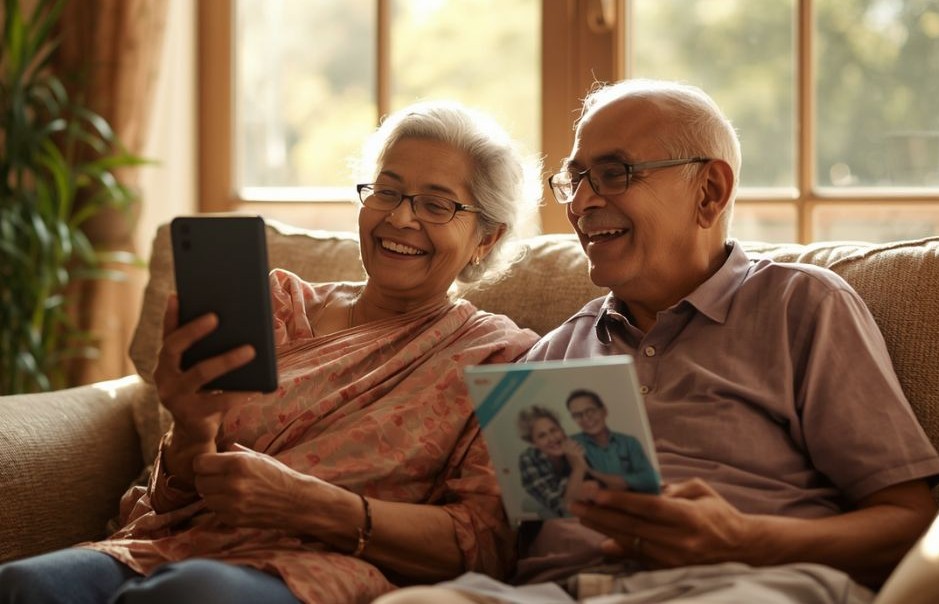
Every weekend, millions of Indian-Americans log onto WhatsApp or FaceTime for a cherished ritual. Across time zones and thousands of miles, the screen lights up with familiar faces. The questions are affectionate and routine: How are you feeling? Did you take your medicine? Is everything okay at home?
And almost without fail, the answer comes back with practiced warmth: “Hum theek hain” (We are fine, said in one of the many different Indian languages).
For adult children living thousands of miles away in North America, this short sentence provides instant relief. It allows us to return to our demanding careers, our children’s soccer practices, and our daily routines in the US feeling that all is well. But over a decade of working with senior citizens across India, I have learned a quiet, uncomfortable truth: “Hum theek hain” is rarely a complete picture. It is often a just an extension of the protective shield they’ve always used to put you first.
Indian parents are fiercely independent and extraordinarily protective of their children abroad. They understand the pressures of your career and life in the West, and they actively avoid becoming a source of stress. Consequently, distance creates natural, invisible blind spots, gradual, cumulative changes in health, mobility, and daily safety that simple video calls cannot reveal.
When distance conceals these shifts, families are often caught unprepared by a sudden health crisis or hospital admission. To move from reactive emergency management to proactive care, adult children must look past the WhatsApp screen and understand the five distance blind spots that 8,000 miles naturally create.
The “WhatsApp Illusion” and Verbal Filtering
A 15-minute video call is framed from the chest up. It shows a smiling face, but it conceals the environment. It does not show how long it took your father to rise from his armchair, whether your mother is unsteady on her feet while walking to the kitchen, or whether the house is becoming difficult for them to maintain.
Video calls are structured social interactions where parents naturally present their best selves. Cognitive changes, subtle memory lapses, or the emotional toll of daily isolation are easily masked behind familiar anecdotes and loving inquiries about their grandchildren.
Uncoordinated Medical Care and Polypharmacy
In India, healthcare is predominantly specialist-driven rather than coordinated through a central primary care physician. It is common for an elderly parent to see a cardiologist in one clinic, an endocrinologist in another, and an orthopedist across town. Each specialist prescribes medications independently.
Without a dedicated care manager or family member on the ground to audit prescription drawers, dangerous overlaps occur. Expired medications sit alongside active prescriptions, dosages are inadvertently skipped or doubled, and potential drug interactions go unchecked. What appears on a phone call as “just taking my routine pills” can easily become an unmonitored medical hazard.
Home Architecture and Hidden Fall Hazards
Most Indian homes were designed decades ago for young, active families. As parents age, these familiar spaces quietly turn into hazard courses they navigate or completely avoid. Smooth marble or wet tile bathroom floors, raised door thresholds, inadequate hallway lighting, and the absence of grab bars make falls one of the leading causes of sudden physical decline in urban seniors.
Parents rarely report minor slips or near-misses to their children in the US because they view them as normal signs of aging. By the time a fall is mentioned, it has often resulted in a fracture, loss of mobility, or prolonged hospitalization.
Digital Friction and Administrative Anxiety
Modern India has digitized rapidly. From banking transactions and pension verification to utility payments, grocery deliveries, and medical lab reports, daily life relies heavily on smartphones, apps, and OTPs.
For many aging parents, navigating this digital ecosystem alone creates immense friction and hidden anxiety. Worse still, seniors are increasingly targeted by sophisticated phone and digital scams. When parents struggle with technology, they often withdraw from essential digital tasks or place their trust in unverified local helpers, exposing themselves to administrative and financial vulnerabilities.
Social Shrinkage and Silent Loneliness
As peer circles naturally shrink due to bereavement, illness, or mobility limitations, parents often spend long hours in quiet isolation. While they may tell you about a visit from a neighbor or a relative, the daily reality is often characterized by extended periods of inactivity and silence.
Prolonged social isolation is not merely an emotional challenge. Medical research confirms that it accelerates cognitive decline, worsens chronic cardiovascular conditions, and weakens immune resilience. Loneliness is a silent accelerator of physical vulnerability.
Moving From Distance Anxiety to Proactive Care
Recognizing these blind spots is not an invitation for guilt. It is a call for structured clarity. Adult children living abroad love their parents deeply, but love across continents requires reliable on-ground systems. You cannot manage what you cannot measure, and relying on guesswork or periodic panic during long-distance phone calls serves neither you nor your parents.
To bridge this gap, care planning must begin with objective diagnostic assessment rather than emotional interrogation. Instead of asking parents broad questions that invite defensiveness (“Are you sure you’re managing okay?”), families need a structured, objective framework to evaluate actual day-to-day readiness.
To help diaspora families navigate this process, Samarth Elder Care developed the free, online Parent Vulnerability Audit. Designed specifically for NRIs managing care from abroad, this brief diagnostic tool guides adult children through key risk markers across physical health, home safety, emergency readiness, and daily support networks.
Within minutes, it generates a personalized risk report that highlights specific care gaps, giving families a clear, objective roadmap to set up professional support, organize home safety modifications, or establish 24/7 emergency escalation protocols before a crisis occurs.
Our parents spent their lives building a foundation for our success. As they age, giving them the freedom to live comfortably, safely, and independently in their own homes is the greatest gift we can return. By replacing distance blind spots with structured ground support, we can ensure that “Hum theek hain” becomes more than just a reassuring phrase on a screen, it becomes a verifiable reality.
Asheesh Gupta is an alumnus of IIT and IIM and the Founder of Samarth Elder Care, India’s leading elder care organization serving over 40,000 families across 350 cities. Families can access the free diagnostic tool at parent-audit.samarth.community.
