





BY JYOTHSNA HEGDE
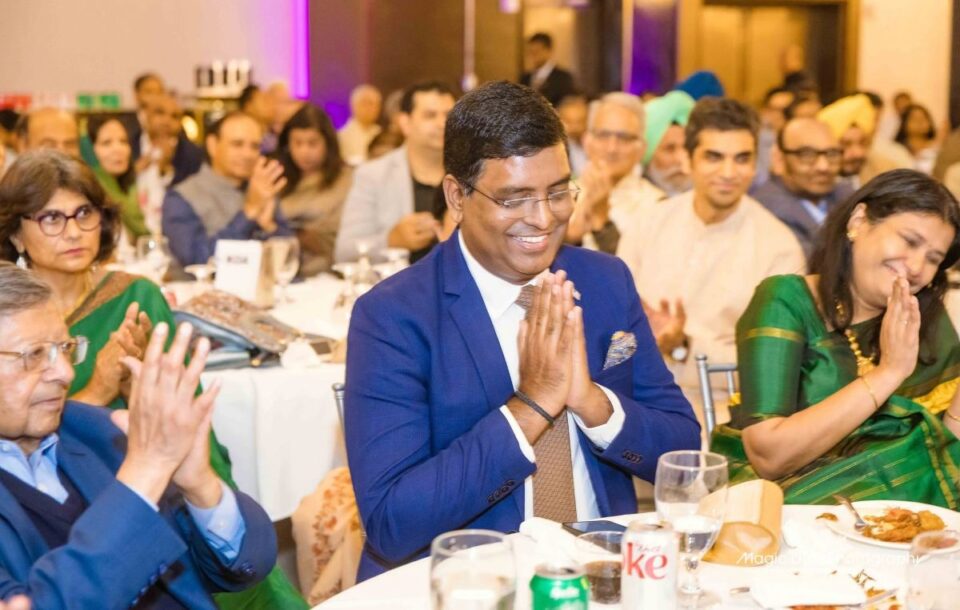
Atlanta, GA, August 21, 2026: Diplomacy is often measured in meetings, agreements and official engagements, but its more enduring impact is sometimes found in something less formal: relationships. During his tenure in Atlanta, Consul General of India Ramesh Babu Lakshmanan became known across Georgia not simply for representing India, but for making himself unusually accessible to the people he served. That sense of personal connection shaped a warm and affectionate community farewell reception held August 14 at Hira Banquets in Johns Creek, where elected officials, civic leaders and representatives of Indian American organizations gathered to honor him as he prepared to conclude his assignment in Atlanta.
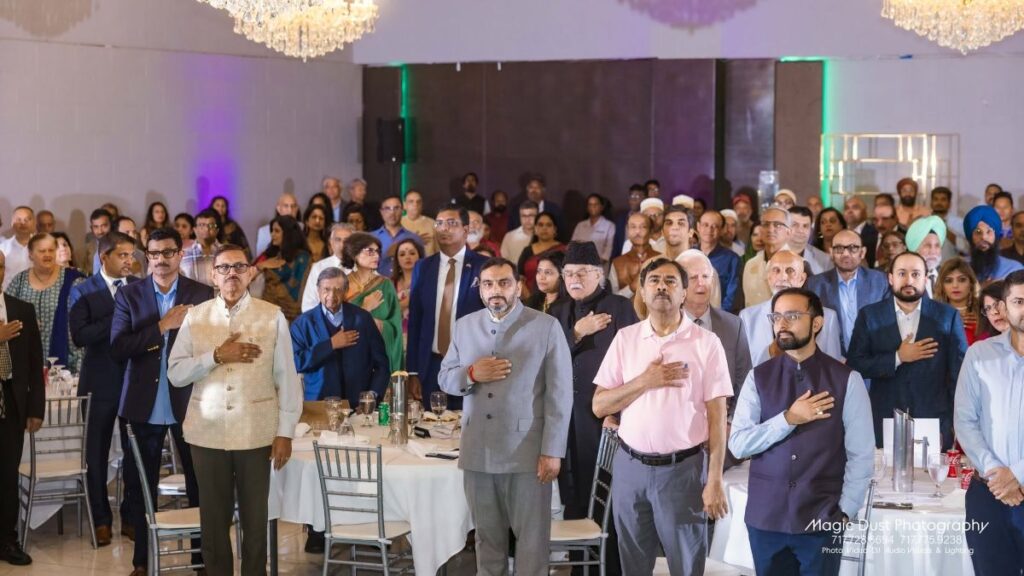
The evening was filled with memories, humor and gratitude, but one description surfaced repeatedly and seemed to capture the essence of Lakshmanan’s tenure better than any formal title: the people’s Consul General. Speakers recalled a diplomat who answered calls, welcomed organizations into the Consulate, attended programs large and small, connected people with one another and treated community engagement as an integral part of his work rather than a ceremonial obligation.
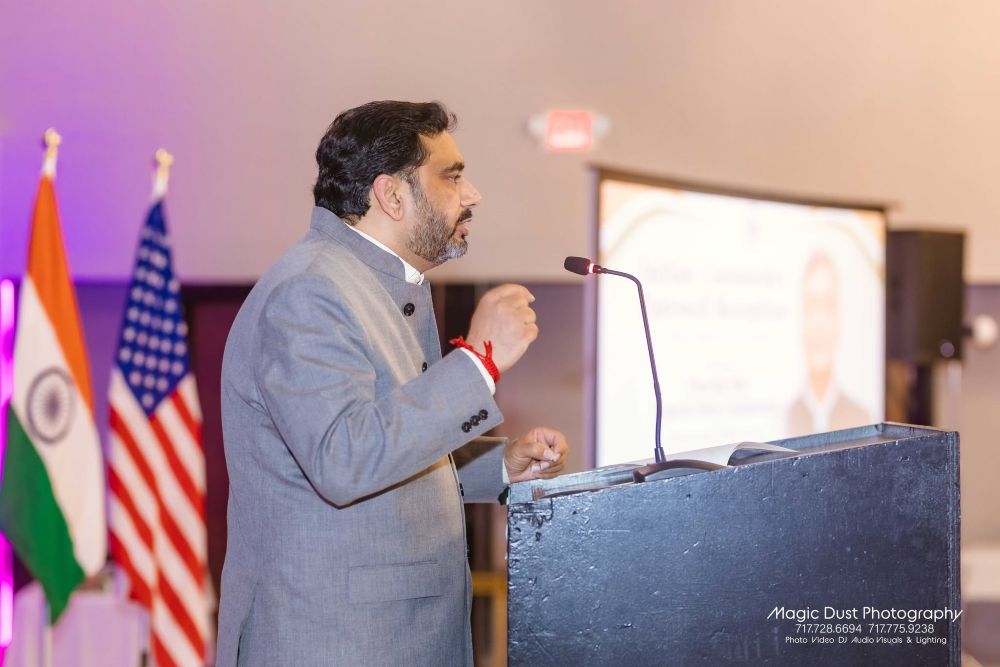
Community leader Himanshu Karnwal reflected on the change Lakshmanan brought to the relationship between the Consulate and the diaspora. “From day one, he showed his commitment to understanding our community and its challenges,” Karnwal said, recalling that access to the Consulate had once seemed difficult for many community members. “He opened the doors of the Consulate, not just as an office, but for all of us.” Karnwal added that Lakshmanan remained available whether the matter involved consular services, cultural concerns or broader Indian American issues, and that he was “always accessible and genuinely invested in our welfare.”
Karnwal also highlighted Lakshmanan’s effort to transform the Consulate into a community platform where organizations could hold programs, celebrate cultural milestones and build connections. He credited the Consul General with encouraging cultural, educational, business and community initiatives and said that Lakshmanan had “created connections not only between the Consulate and the community, but enduring bonds between India and the United States.” That observation became something of a theme for the evening, as speaker after speaker described how formal diplomacy had, in Lakshmanan’s hands, become deeply personal.
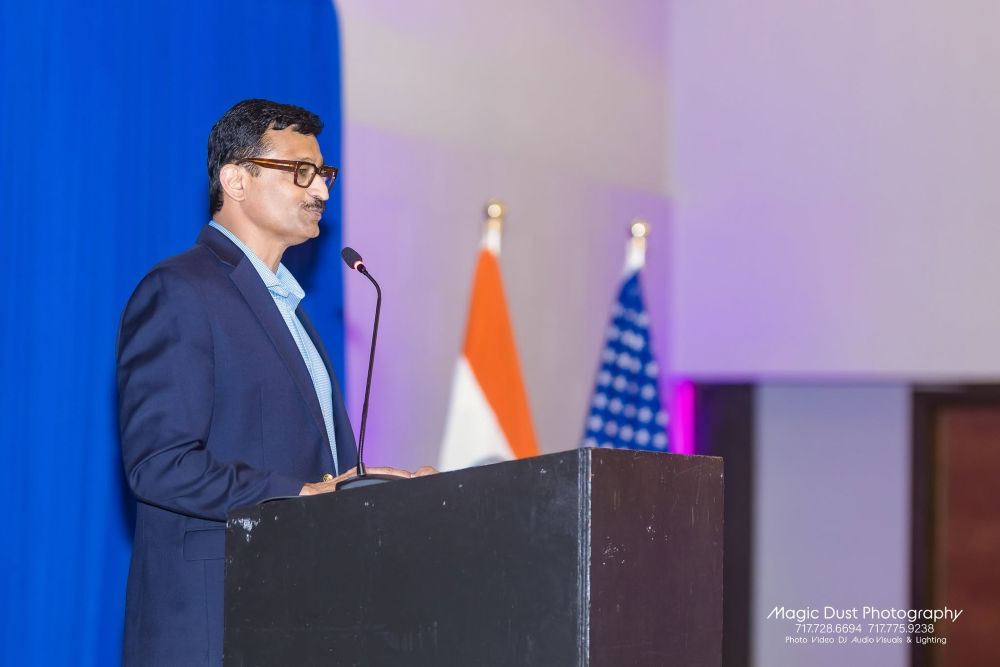
Rajeev Menon put that sentiment most directly. “Beyond your official responsibilities, you were always accessible to all of us. I would call him a people’s Consul,” he said. Menon praised Lakshmanan’s “accessibility, warmth and willingness to engage with everybody,” saying those qualities had left a long-lasting impact. He concluded his remarks simply but poignantly: “Thank you for your friendship and your service.”
Georgia State Senator Shawn Still delivered one of the evening’s strongest tributes, drawing on his experience interacting with diplomats from around the world. “In my role in the Georgia State Senate, I encounter ambassadors and consul generals of all nations, and nobody does half of what you do,” Still said. He described Lakshmanan’s departure as a loss for Georgia as much as for the Indian American community, adding, “I am sad for our state and for our community because, of the hundreds of people I have met, nobody has your style, your grace or your leadership.” Still also recalled once pointing to Lakshmanan before an audience of parents and students as an example of leadership, emphasizing that true leadership is demonstrated by doing the right thing even when recognition is absent.
State Rep. Michelle Au remembered another side of Lakshmanan’s tenure: the hospitality with which he and his family welcomed people into their home. “You brought people into your home and showed them what was important to you,” Au said. Her remarks reflected a broader pattern in the Consul General’s years in Atlanta, when official relationships often evolved into friendships through shared meals, conversations and personal interaction. Several speakers recalled that Lakshmanan had a remarkable ability to move comfortably between the formality of diplomacy and the warmth of community life.
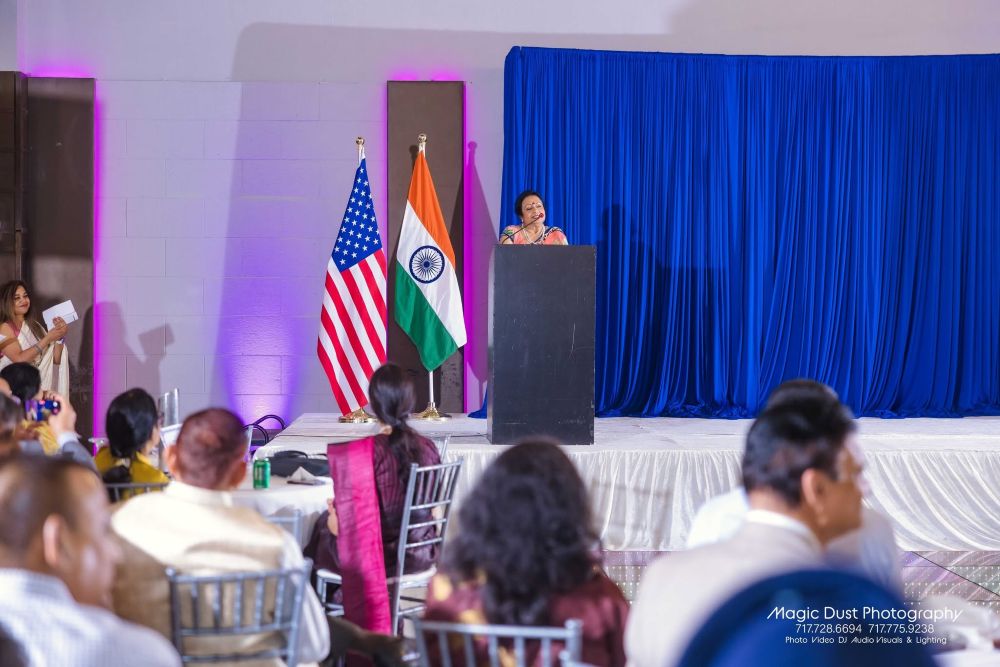
Attorney and community leader Neera Bahl offered a heartfelt farewell, saying, “We thank you with all our hearts, and we wish you the very best. Your bright light will continue to shine.” She also acknowledged the important role played by Lakshmanan’s wife, Renugadevi Subramanian, whose presence and support had been a constant through years of official travel, community engagements and public responsibilities.
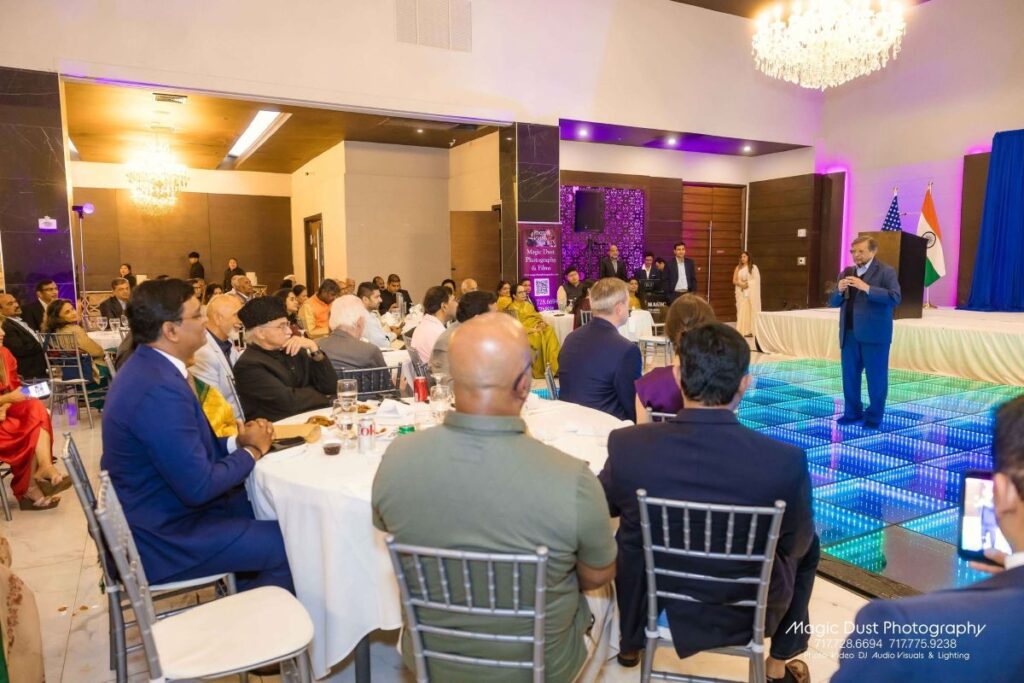
Prof. Jagdish “Jag” Sheth brought a philosophical note to the evening. Drawing on a story about a good person moving from one village to another, he suggested that goodness should not remain confined to a single place because its impact deserves to travel. His message was that Atlanta’s loss would ultimately become another community’s gain, because good people carry their influence with them wherever they go. The reflection gave the farewell a larger perspective: while Georgia would naturally wish to hold on to a leader it had come to value, Lakshmanan’s next chapter would allow another community to benefit from the same openness and generosity of spirit.
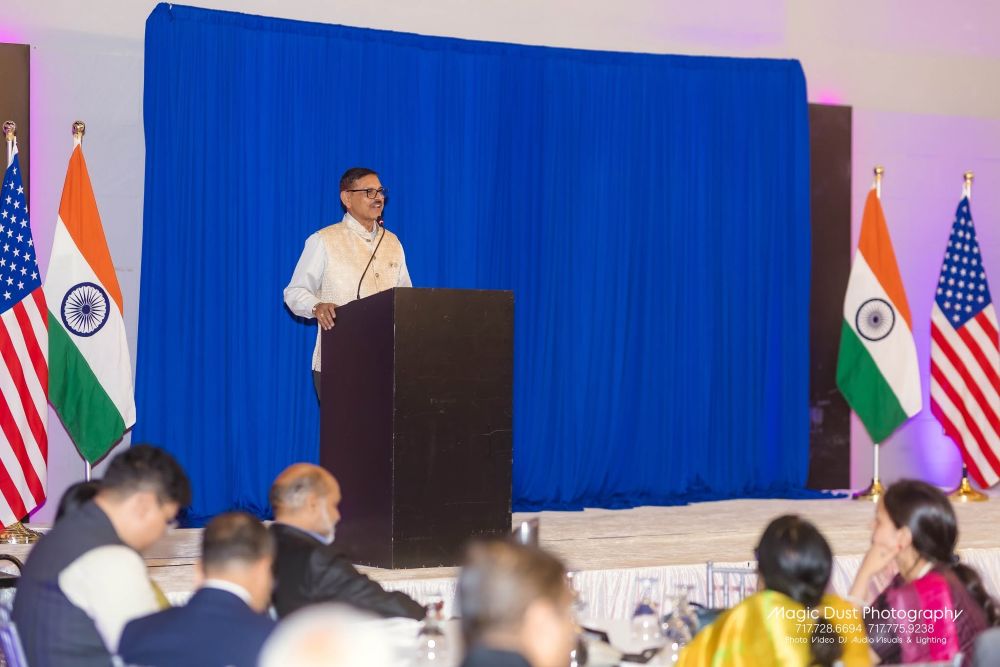
Vasu Patel spoke about Lakshmanan’s exceptional responsiveness and willingness to engage at almost any hour, recalling how community members often received replies to messages at times when most people would not have expected one. Patel also praised the Consul General’s emphasis on continuous improvement. “Improvement is always there. We should always look for improvement,” he said, connecting that philosophy not only to consular service but also to the broader relationship between India and the United States.
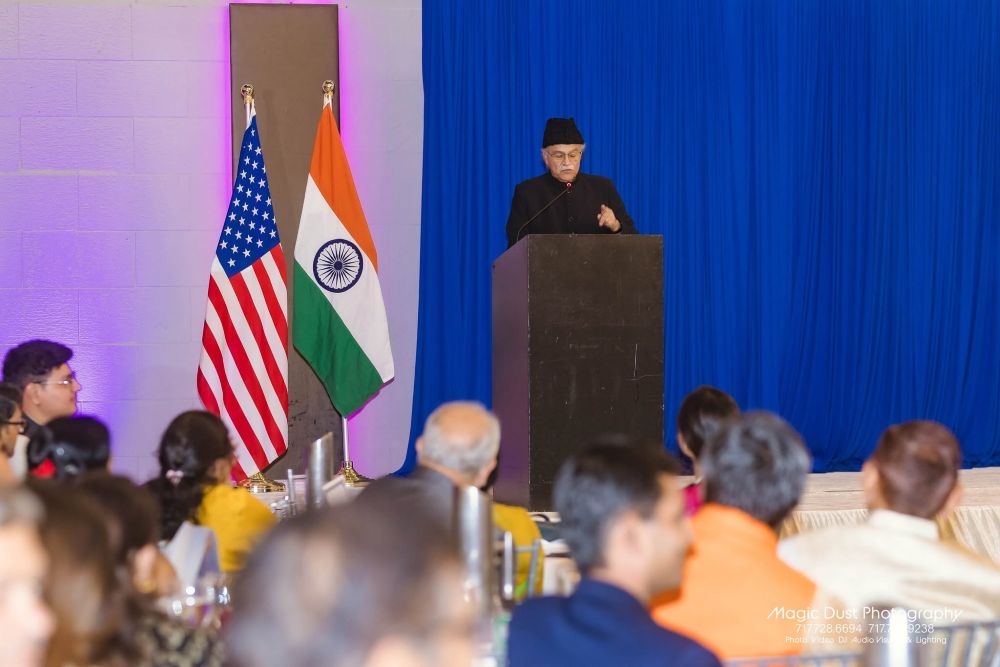
Subash Razdan paid tribute to both Lakshmanan and his wife, observing that public service at such an intense level is rarely a solitary undertaking. “You cannot do these things unless you have a very good wife supporting you,” Razdan said. His remarks underscored the partnership behind Lakshmanan’s public life and acknowledged the often unseen personal support that makes sustained diplomatic service possible. Alfred John likewise offered a simple message of gratitude, thanking Lakshmanan for serving the community and expressing the hope that the farewell would not be permanent. Shiv Aggarwal reflected on Lakshmanan’s ability to bridge formal diplomacy and everyday community life, praising his readiness to participate, listen and support organizations whenever they reached out.
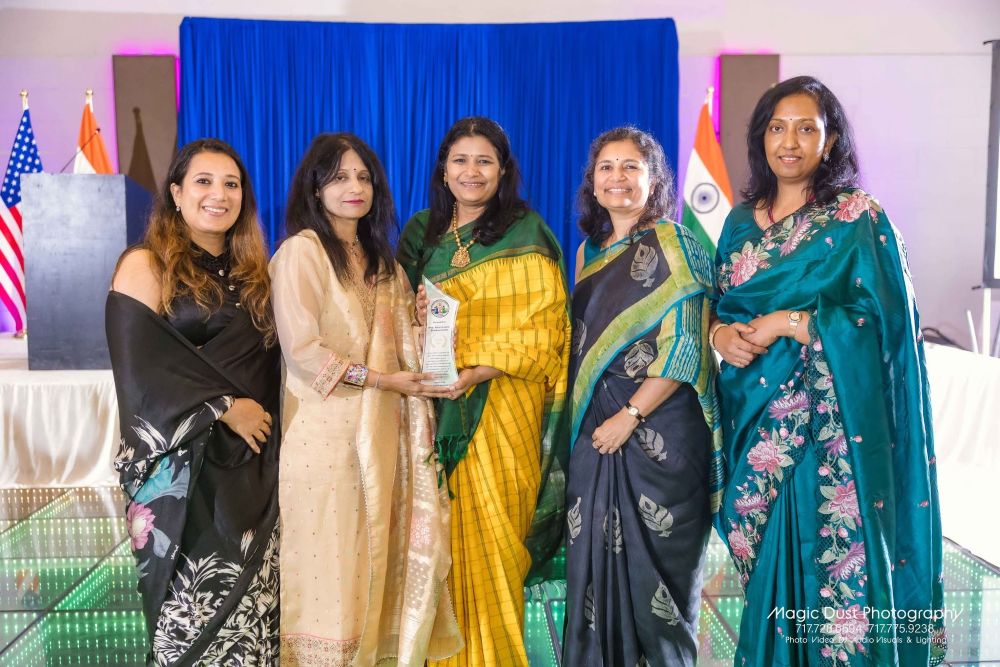
A particularly meaningful part of the evening was the recognition of Renugadevi Subramanian, who had developed a distinctive presence in Atlanta in her own right. Speakers noted that she had created a space for herself in the community, especially through her support of women’s causes, empowerment initiatives and programs benefiting families and children. The Atlanta Indian Women’s Forum (AIWF) recognized her for her contributions to women’s causes, sisterhood and community service, as well as for the strength and partnership she provided throughout her husband’s demanding tenure.
Subramanian is also a talented and accomplished artist, and her creative work became part of Atlanta’s cultural landscape during the family’s time here. Her artwork was featured as a centerpiece at The Scene Art Gallery at North Point Mall, drawing attention to another dimension of a woman who was known not only as the Consul General’s wife, but as an artist, supporter of community initiatives and advocate for women’s engagement. Her recognition at the farewell therefore felt especially fitting, acknowledging both the quiet support behind diplomatic life and the independent contribution she had made to Atlanta.
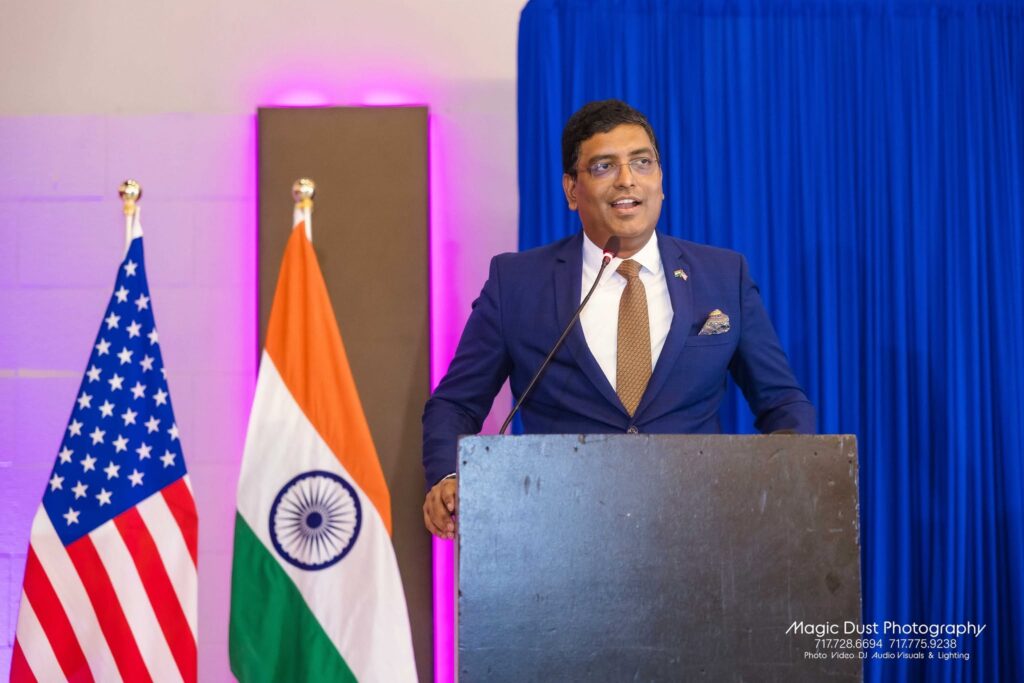
When Lakshmanan finally took the microphone, he began with characteristic humor, noting that he was “the one standing between you and dinner.” His remarks, however, soon became reflective and personal. He spoke about the people he had met, the communities he had visited across the Southeast, the organizations he had worked with and the many friendships that had grown during his years in Atlanta. His message made clear that the affection expressed by the community was fully reciprocated and that Georgia would remain an important part of his memories.
Lakshmanan also reflected on his approach to public service and the idea that consular work could never be static. “Improvement is always there,” he said, emphasizing that feedback, criticism and continued engagement were necessary if institutions were to serve people better. His comments echoed what many speakers had said about him earlier in the evening: accessibility was not simply a matter of personality, but a philosophy of service. The Consulate, under that approach, became less of a distant office and more of a community institution.
He also addressed the larger India-U.S. relationship, cautioning against allowing occasional disagreements or negative headlines to define a partnership that is far deeper and broader. His remarks emphasized that the relationship is sustained every day through education, commerce, technology, families, professionals, cultural organizations and millions of personal connections. Diplomacy, in that sense, does not exist only between governments; it is also built continuously by communities.
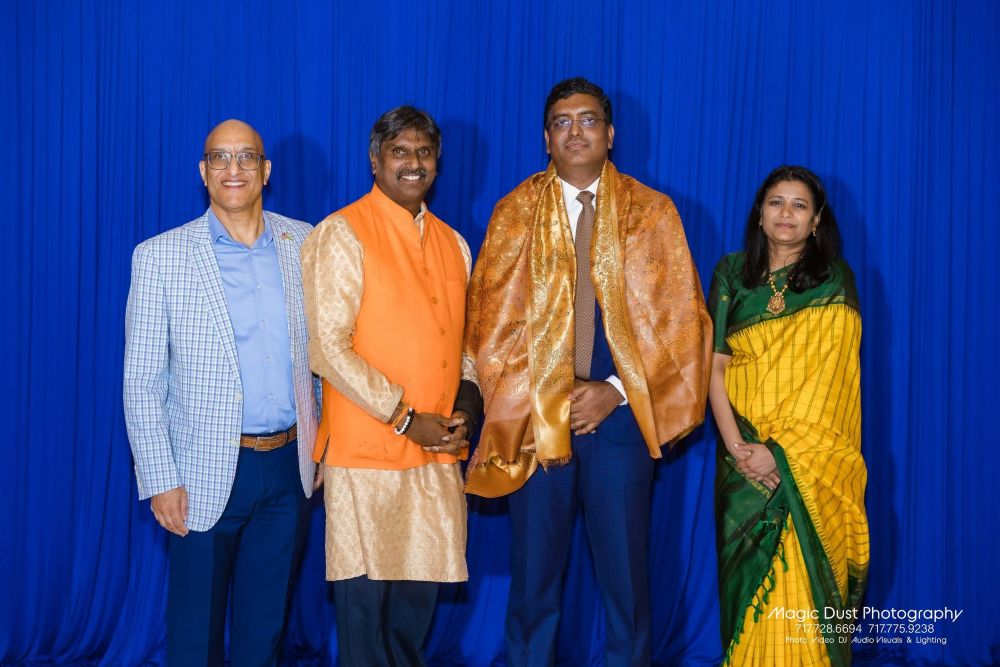
One of the more thoughtful themes in his farewell remarks centered on giving back. Lakshmanan encouraged community members not to postpone service or philanthropy until some future point when they imagined themselves wealthy or successful enough to contribute. Giving, he suggested, could begin immediately and take many forms, including time, mentorship, encouragement, volunteerism and whatever resources an individual was able to offer. It was a fitting reflection from someone whose own tenure had been described less in terms of grand gestures than in the simple, repeated act of showing up.
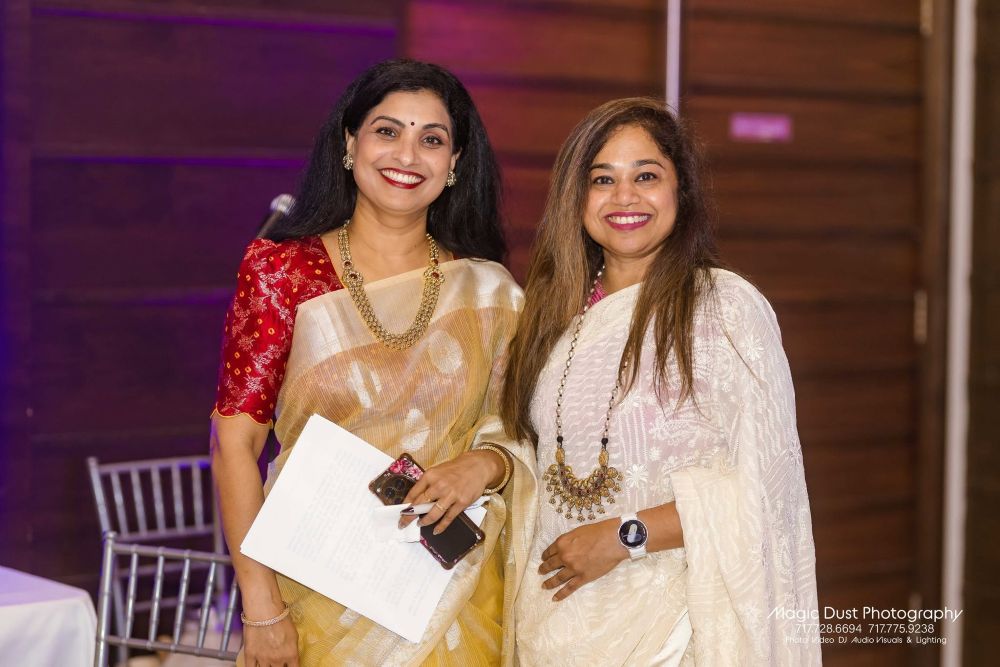
By the end of the evening, the pattern of the tributes was unmistakable. People did not speak of Lakshmanan as a distant diplomat completing one assignment before moving to another. They spoke of someone who had attended their programs, answered their messages, welcomed them into the Consulate, encouraged their organizations and, along with Renugadevi, welcomed many of them into his home. That is perhaps why the phrase “the people’s Consul General” felt less like praise than a description of what he had become.
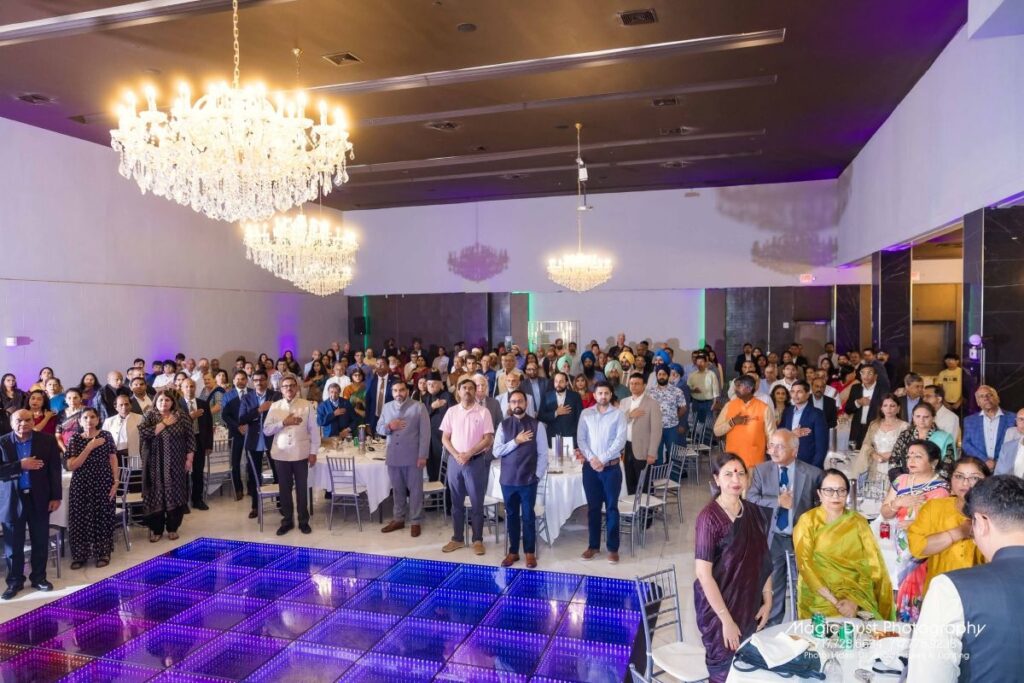
Diplomats arrive with official titles and defined tenures, but relationships follow a different calendar. Somewhere along the way, Ramesh Babu Lakshmanan stopped being merely India’s Consul General in Atlanta and became part of the community he was sent here to serve. As Atlanta gathered to bid him farewell, it was equally clear from his own reflections that the community had become part of him too.
