





BY NAMITA DOGRA SUDAN
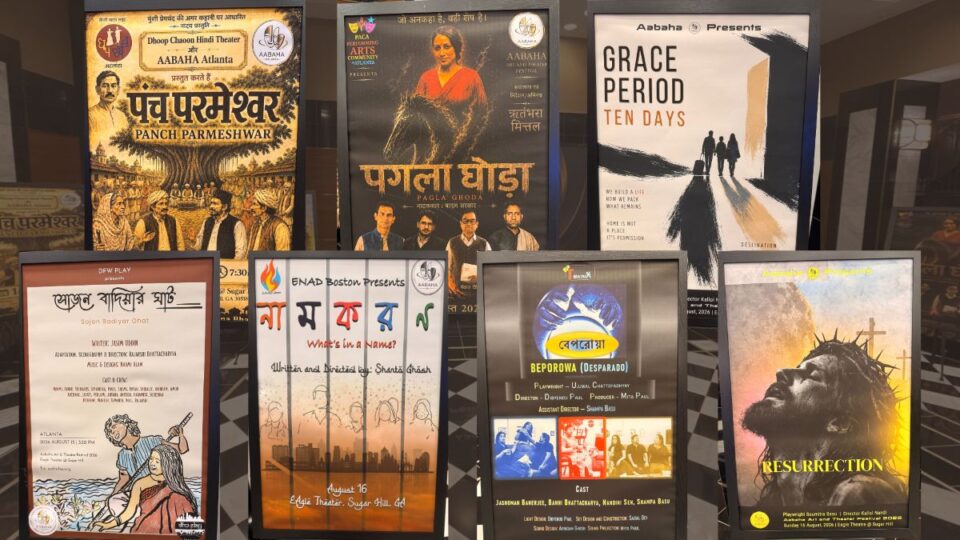
Atlanta, GA, August 24, 2026: Theater took center stage in Sugar Hill from August 14–16, 2026, as the Aabaha Art and Theater Festival 2026 brought eight plays, four languages and theater groups from across the country to The Eagle Theatre.
Held under the theme “Showcasing Cultural Diversity Beyond Borders,” the three-day festival featured productions in Hindi, Bengali and English, along with performances representing different cultural and theatrical traditions. Organizers said this year’s festival marked the first time in its four-year history that the event had a full-house, sold-out turnout.
The festival opened Friday with Dhoop Chhaon Theater Group’s Panch Parmeshwar, a Hindi adaptation of Munshi Premchand’s classic story, followed by PACA — Performing Arts Community of Atlanta’s Pagla Ghoda. The lineup also included productions by Aabaha, Verriett Productions, DFW Play, ENAD from Boston and Ebong Theatrix from Washington D.C.
Where Theater Meets the Indian-American Experience
Founded in 2019, Aabaha, Inc. is a Metro Atlanta nonprofit arts organization that uses theater, visual arts, workshops and community programs to bring people from different cultures together. The festival is one of its major annual initiatives.
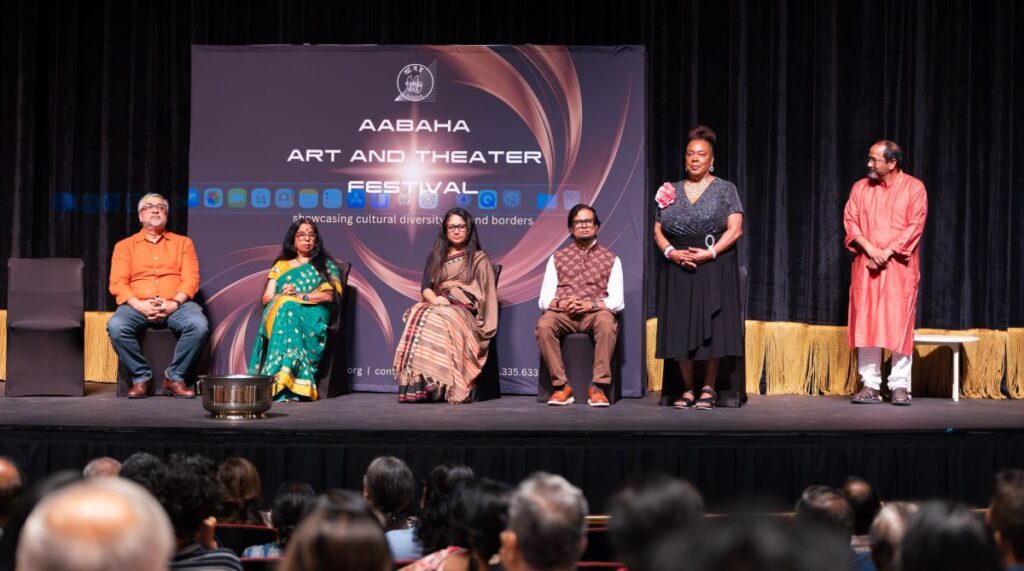
Kallol Nandi, Founder and Director of Aabaha and Convenor of the festival, spoke exclusively with NRI Pulseabout the organization’s vision for bringing different art forms and culturally diverse stories together.
Nandi said Aabaha sees theater as a medium that can incorporate visual art, music, dance, cinema and other creative forms.
That focus was evident in Grace Period 10 Days, an English-language Aabaha production about an Indian-American H-1B family facing deportation after a visa renewal is denied. Nandi said Aabaha increasingly wants to tell stories about “an Indian-American problem, an Indian-American crisis” rather than limiting its storytelling to India-based narratives.
From Premchand to Badal Sircar: A Diverse Opening Night
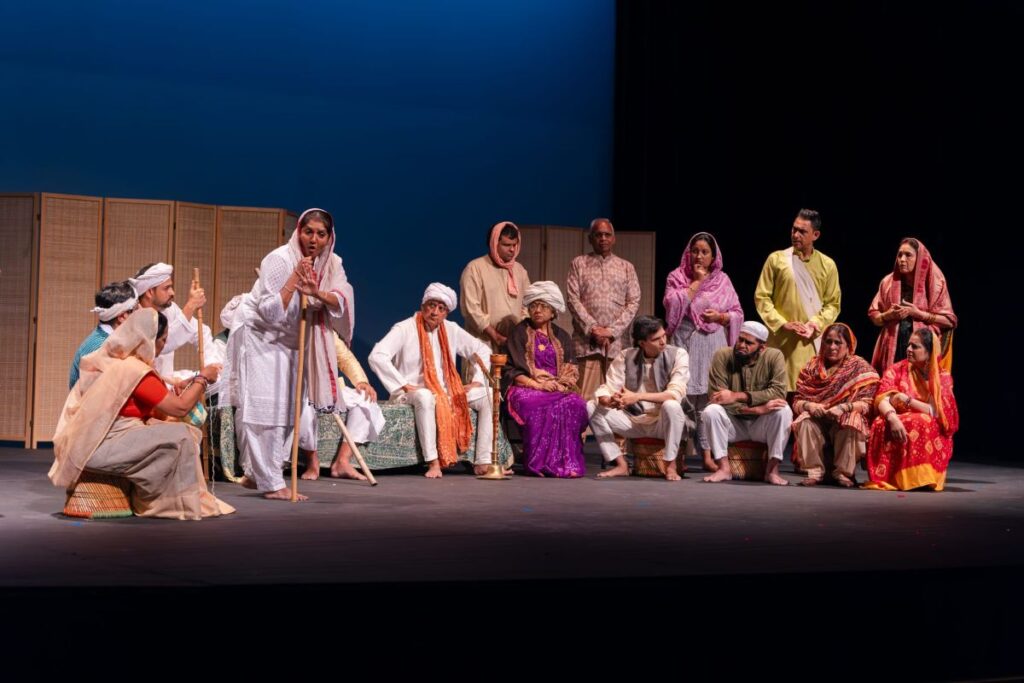
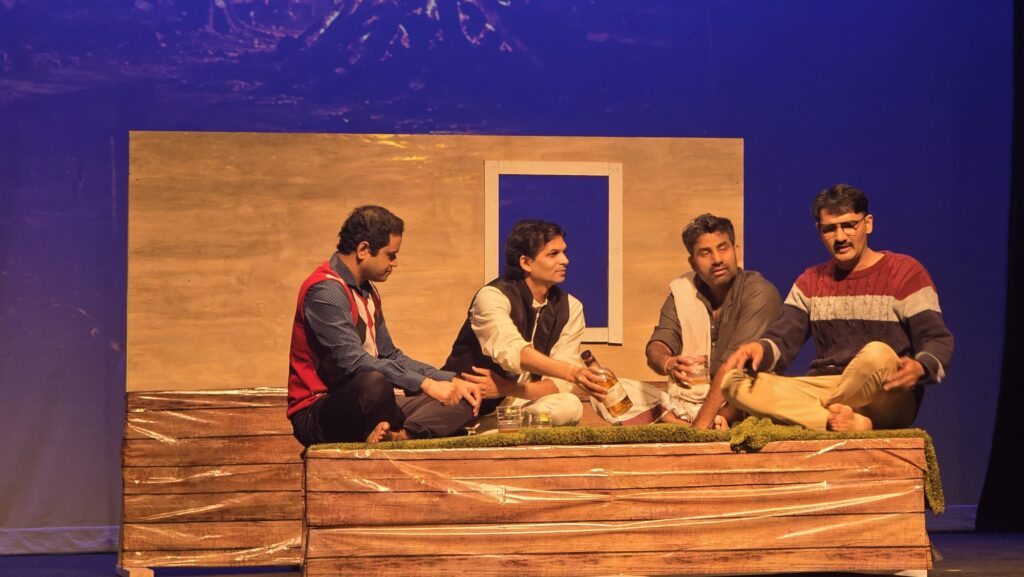
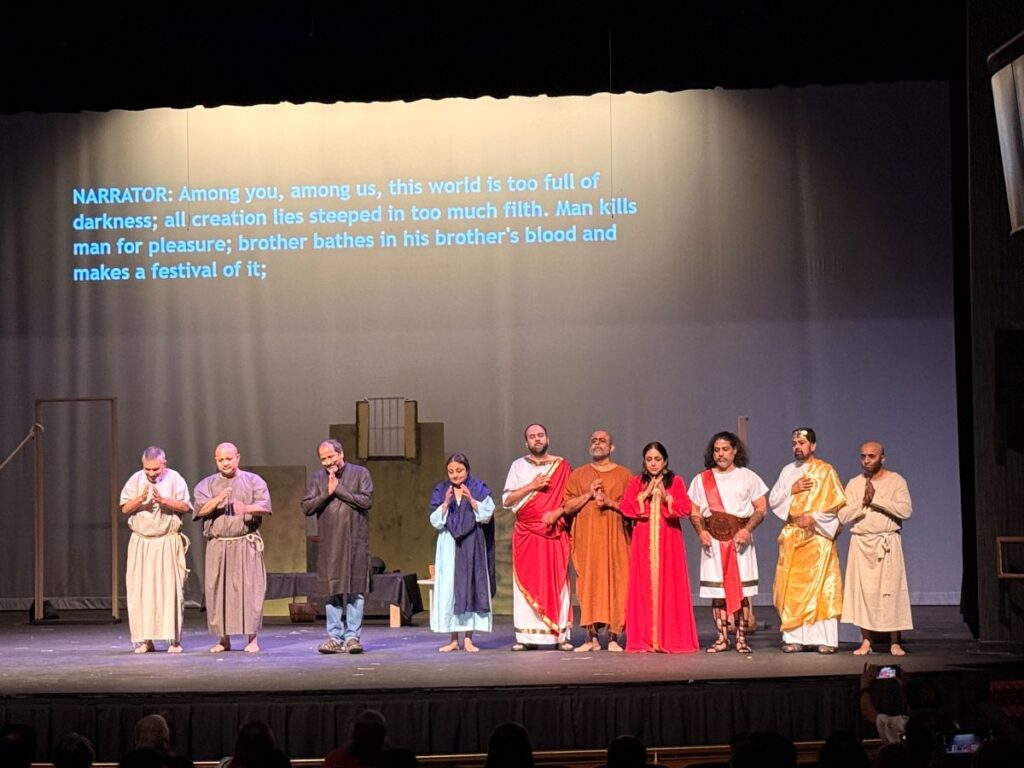
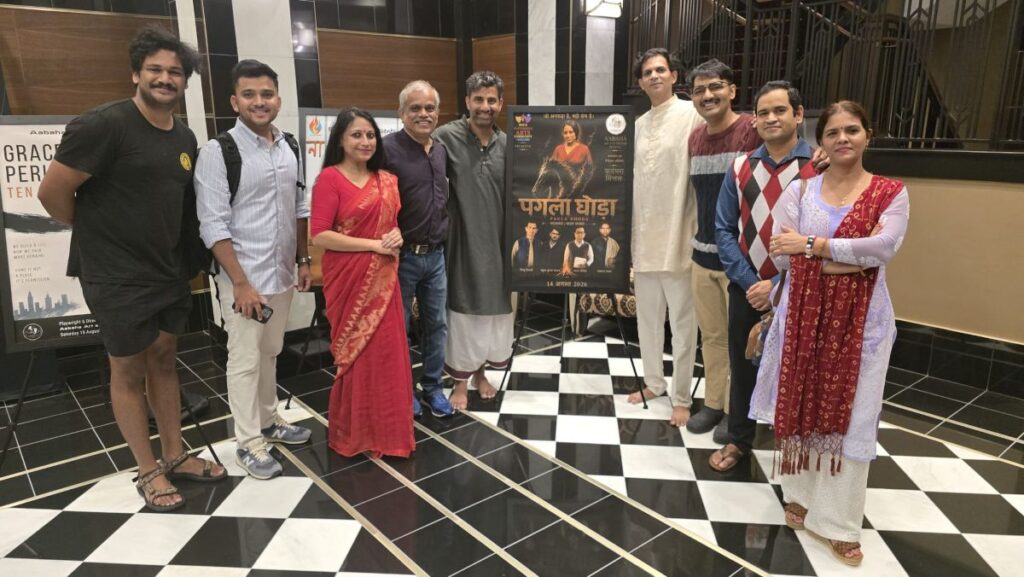
The festival opened on August 14 with two Atlanta-based productions. Dhoop Chhaon Theater Group presented Panch Parmeshwar, a Hindi stage adaptation of Munshi Premchand’s classic story about friendship, justice and the importance of putting fairness above personal relationships.The evening continued with PACA — Performing Arts Community of Atlanta’s Pagla Ghoda, written by celebrated Bengali playwright Badal Sircar. The play, which was last staged in Atlanta in 1996, explores love, rejection, sacrifice, guilt and despair through four men whose conversations unfold around the cremation of a young woman.
Directed by Ritambhara Mittal, the production used cinematic lighting, atmospheric music and layered sound design, drawing laughter, applause, tears and moments of silence from the audience.The festival continued on August 15 with Grace Period 10 Days, an English-language Aabaha production about an Indian-American H-1B family facing deportation, followed by Sojon Badiyar Ghat, a Bengali production from DFW Play, and What’s in It for Me by Georgia-based Verriett Productions.
Stories From Across the Country Take the Stage
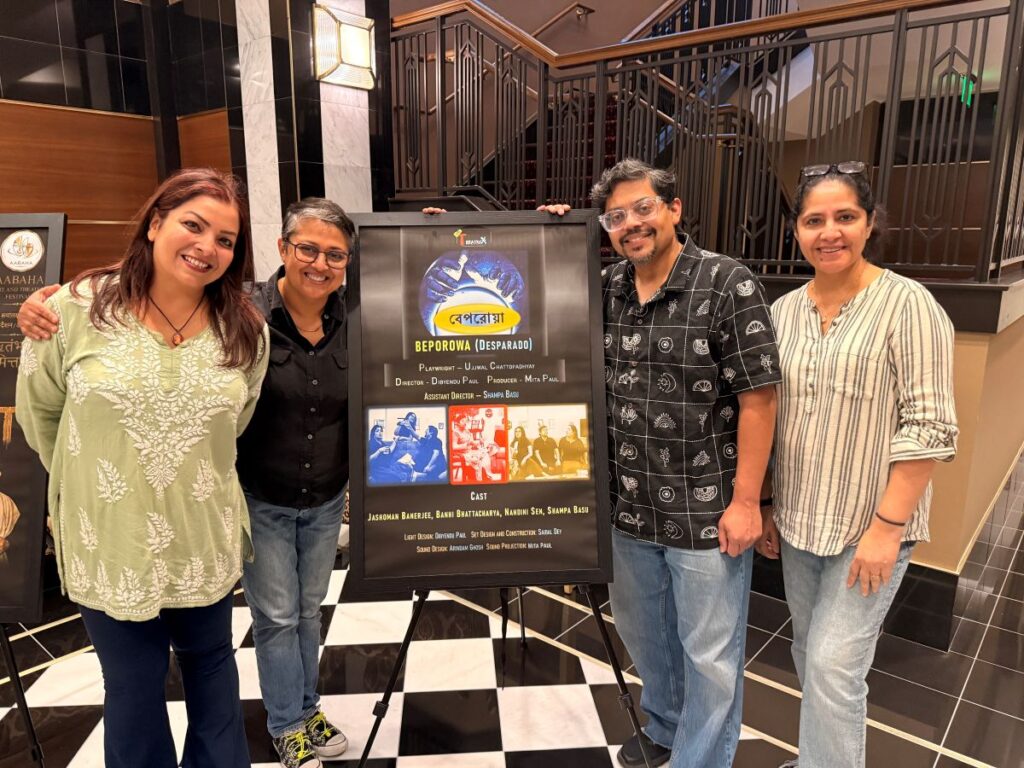
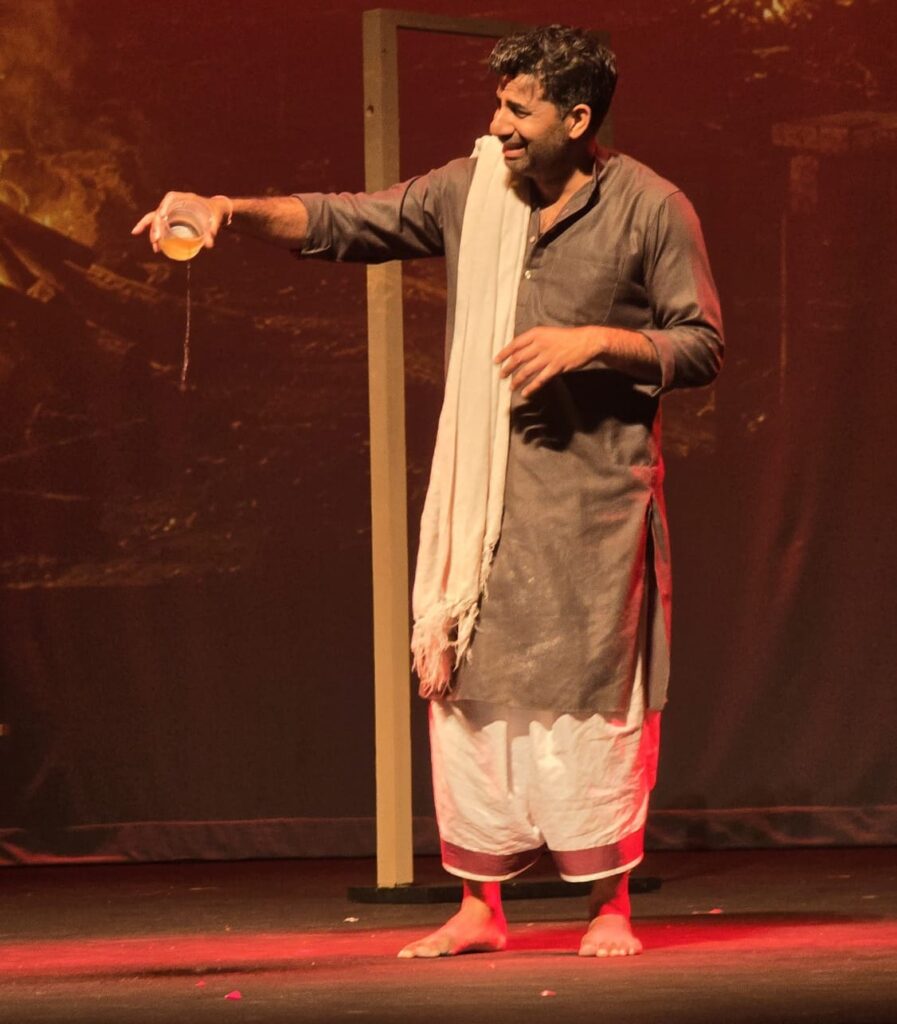
The festival’s final day, August 16, brought productions from outside Atlanta, further expanding the festival’s cultural and geographic diversity. ENAD from Boston presented Naamkoron, while Ebong Theatrix from the Washington D.C. area brought Beporowa, a Bengali adaptation of Noel Coward’s Blithe Spirit.
The festival concluded with Aabaha’s Resurrection. Speaking with NRI Pulse, Jashoman Banerjee of Ebong Theatrix described Beporowa as a farcical story about a novelist struggling with writer’s block whose séance accidentally summons his dead first wife, setting off a chain of comic complications. For the Washington-based group, the festival was also an opportunity to connect with Atlanta’s theater community. Banerjee praised Aabaha’s hospitality and said the experience has helped create a sense of fraternity among theater groups. The production is also scheduled to travel to Kolkata in January 2027. Together, the productions from Atlanta, Washington D.C., Boston and Dallas showcased the festival’s central idea — bringing different languages, cultures, theatrical styles and stories together on one stage.
A Festival Growing Beyond the Stage
The festival’s success comes as Aabaha reaches another milestone. The organization has received a grant from the Misra Charitable Giving Fund at T. Rowe Price Charitable, made in memory of Late Jayasri Tripathi Misra (1949–2021). The grant will support Aabaha’s theater, visual arts, community conversations and educational initiatives.
For an organization that began in 2019 and had its programming interrupted by the pandemic, the sold-out 2026 festival signals a growing appetite for live theater and culturally diverse storytelling in the Atlanta area.
With productions coming from Atlanta, Washington D.C., Boston, Dallas and beyond, Aabaha’s message this year was clear: theater can cross borders even when the stories themselves come from very different worlds.
