





BY NAMITA DOGRA SUDAN*
Rating: 4/5 stars
With breathtaking visuals, an ambitious cinematic scale and a stellar performance by Yash as Ravana, Ramayana: Part 1 offers a grand retelling of one of India’s most enduring epics. While the film occasionally struggles with its pacing and certain casting choices, it succeeds in delivering an immersive theatrical experience.
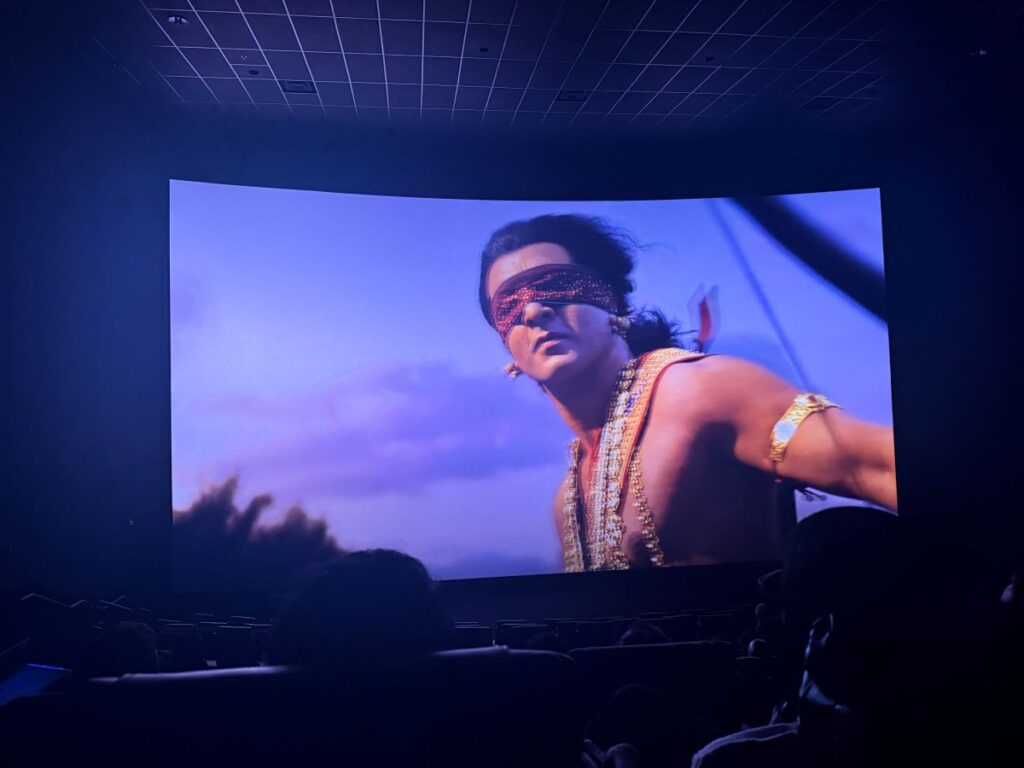
Released in the United States on November 4, the film saw an unexpectedly packed theatre during its first-day, first-show IMAX 3D screening on a Wednesday afternoon. The question that naturally came to mind was: Do people not have offices to go to? The turnout was reminiscent of Hanuman Ansh, when theatres were packed with families bringing their little ones and even their elderly parents. The excitement was just as enjoyable off-screen as it was on-screen.
Cast and Plot
Directed by Nitesh Tiwari and produced by Namit Malhotra, Ramayana: Part 1 features Ranbir Kapoor as Rama, Sai Pallavi as Sita, Yash as Ravana, Ravi Dubey as Lakshmana and Sunny Deol as Hanuman. The film also features Rakul Preet Singh as Shurpanakha, alongside an ensemble cast portraying several characters from the epic.
Based on the ancient Indian epic, the film chronicles the journey of Rama, his marriage to Sita and the events that shape his eventual confrontation with Ravana. The narrative explores themes of duty, sacrifice, righteousness and the complex motivations of its central characters.
Retelling a story that is deeply familiar to generations of Indian audiences presents a unique challenge. The question is not simply how to narrate the Ramayana, but how to make it engaging for contemporary audiences, including those unfamiliar with its cultural and historical context. The film’s approach combines traditional storytelling with an expansive cinematic vision, supported by sophisticated visual effects.
Positives
A Visual Feast
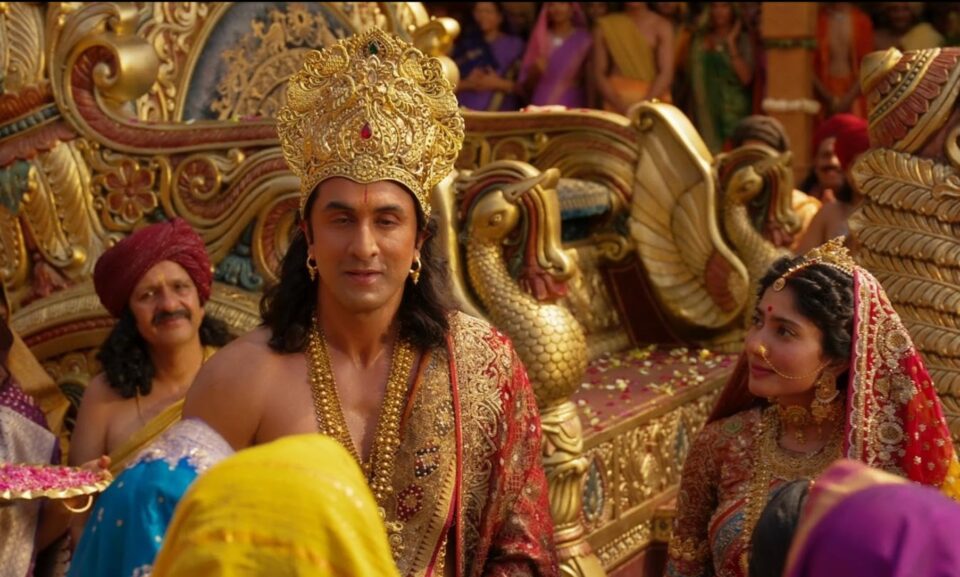
The film’s greatest strength is undoubtedly its visual presentation. From Ravana’s elaborate crown to the intricate detailing of chariots and their wheels, the attention to detail is remarkable. The costumes, production design and cinematography contribute significantly to the film’s grandeur. The costume designers deserve special recognition for their meticulous work.
DNEG, the visual effects company behind the film, has played a pivotal role in bringing this ambitious vision to life. Having initially raised concerns that the extensive use of CGI might overwhelm the narrative, the film’s visual effects ultimately enhance the overall experience. The film presents the Ramayana in a manner that feels both expansive and immersive, making it a genuine big-screen spectacle.
Yash Steals the Show
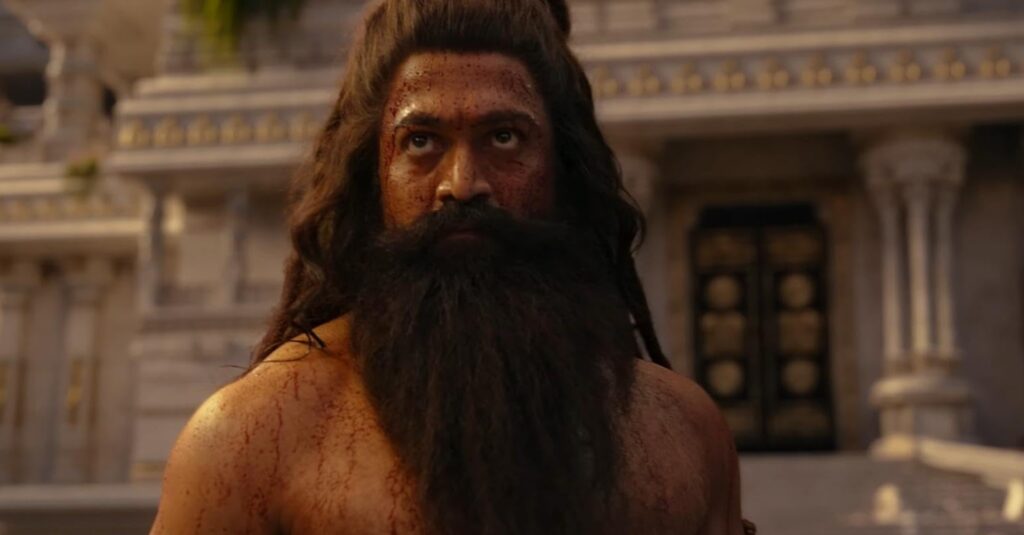
Among the performances, Yash as Ravana is particularly outstanding. His commanding screen presence, physicality and demeanor elevate every scene in which he appears. He embodies the grandeur and authority associated with the character, making Ravana one of the film’s most compelling figures.
Ranbir Kapoor looks convincing as Rama and brings a composed presence to the character. However, his performance occasionally feels restrained, particularly in certain dialogue-heavy scenes. A little more emotional openness and expressive intensity could have made his portrayal more impactful.
Ravi Dubey is another pleasant surprise. Dubey fits the character of Lakshmana remarkably well, bringing energy, charm and humor to the role. Several of the film’s lighter moments emerge through his performance, providing a welcome contrast to its otherwise serious tone.
A Brilliant Musical Score
The collaboration between Hans Zimmer and A.R. Rahman is one of the film’s most exciting creative elements. The background score is brilliant, adding emotional depth, scale and intensity to several key sequences. Their musical collaboration creates an atmospheric soundscape that complements the film’s visual ambition.
While one or two songs lean toward a conventional, somewhat filmy treatment, they remain acceptable within the larger cinematic experience. The background score, however, is the real highlight, lending the film a distinctive musical identity.

Negatives
Casting Choices and Character Portrayals
Sai Pallavi is graceful and charming as Sita. However, her accent may be distracting for some viewers. Given Sita’s association with Mithila, a region near the present-day Bihar–Nepal border, a North Indian actress might have been a more fitting casting choice from a regional authenticity perspective.
Rakul Preet Singh’s Shurpanakha has a more substantial role than one might initially expect. However, the character could have benefited from a performer capable of conveying greater cunning and complexity through subtle expressions. Actresses such as Keerthy Suresh or Radhika Apte might have brought an interesting dimension to the role.
Uneven CGI
Despite the film’s impressive visual effects, a few character designs appear overly artificial. Certain demons, particularly Kumbhakarna, lack the realism necessary to make their presence truly convincing.
A more balanced combination of live-action performances and CGI enhancement could have resulted in a more immersive visual experience.
Pacing and Runtime
The film’s length is another concern. While its expansive scale is understandable, several portions feel unnecessarily stretched, with the narrative occasionally losing momentum.
Unlike other lengthy films that maintain a consistent level of engagement, Ramayana: Part 1 has moments where the narrative progression feels sluggish. A tighter edit could have made the film considerably more engaging without compromising its grandeur.
A Thought-Provoking Perspective
A particularly interesting observation came from a young viewer unfamiliar with the Ramayana. After the screening, the viewer remarked, “I didn’t understand who was the hero and who was the villain.”
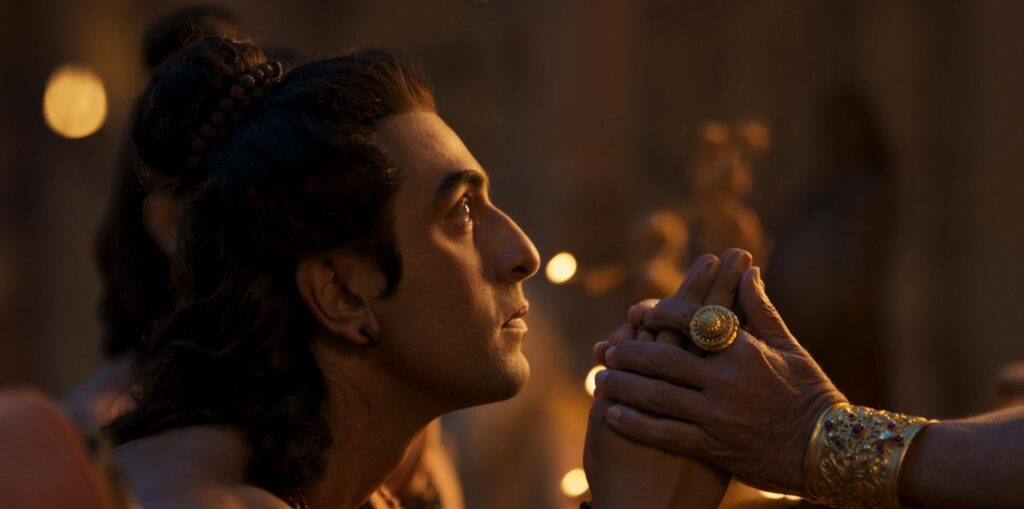
The observation is significant because it reflects the film’s attempt to present Ravana through a more nuanced lens. By exploring his perspective rather than portraying him exclusively as an antagonist, the film invites audiences to reconsider familiar characters.
Whether this interpretation succeeds will depend largely on individual expectations and personal beliefs. Nevertheless, it is an aspect that is likely to generate discussion among viewers.

The End-Credit Reveal: Sunny Deol as Hanuman
The film saves one of its biggest surprises for the end credits with the reveal of Sunny Deol as Hanuman. Although the actor’s face is never fully revealed, with the sequence largely showing his back, feet and glimpses of him soaring through the sky, the anticipation is enough to leave audiences excited. The silhouette against the glowing sky, along with the striking image of Hanuman flying with his gada, makes for a visually captivating moment.
Sunny Deol, known for his commanding screen presence and powerful persona, seems like an exciting choice for the role. The reveal is brief but effectively builds anticipation for the next installment, leaving audiences with a moment that is both goosebump-inducing and memorable.
The excitement is further heightened by the announcement that the next part is scheduled for release during Diwali 2028, making the wait for Hanuman’s full-fledged appearance all the more intriguing.
Final Verdict
Ramayana: Part 1 is an ambitious and visually spectacular adaptation that succeeds in delivering a memorable cinematic experience. Its impressive production design, elaborate costumes, sophisticated visual effects and powerful background score make it a film best experienced on the big screen.
Yash’s commanding portrayal of Ravana and Ravi Dubey’s engaging performance as Lakshmana are among its strongest highlights. While the film has shortcomings in its pacing, certain casting choices and occasional CGI-heavy character designs, these do not entirely diminish its overall impact.
The end-credit reveal of Hanuman adds another exciting dimension to the film and leaves audiences anticipating what lies ahead in the next installment.
For families looking for a grand cinematic experience, Ramayana: Part 1 is a worthwhile theatrical outing. Watching it in IMAX 3D further enhances its visual appeal.
Final Rating: 4 out of 5 stars.
A magnificent visual spectacle that may not be flawless, but is certainly an ambitious step toward bringing India’s timeless epic to a global cinematic audience.

*Namita Dogra Sudan is the entertainment news editor and video news producer of NRIPulse.
