


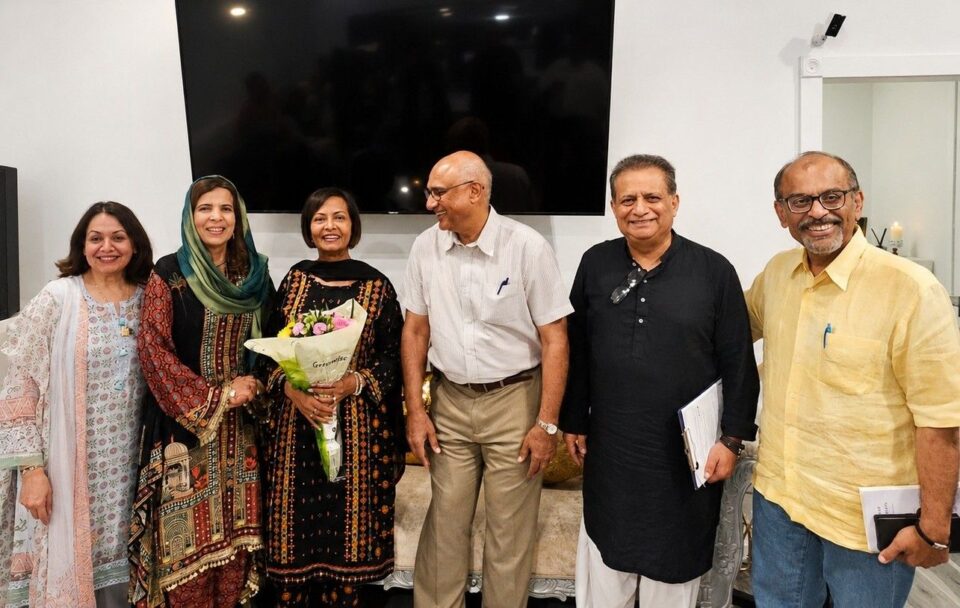
Atlanta, GA, May 22, 2026: On April 26, Writers’ Forum and Urdu Library hosted a literary evening celebrating the launch of Almost Light and Grammar of Daughters. What emerged over the course of the gathering was more than a traditional book event: it became a wider conversation about memory, family, healing, migration, and the quiet ways people are shaped.
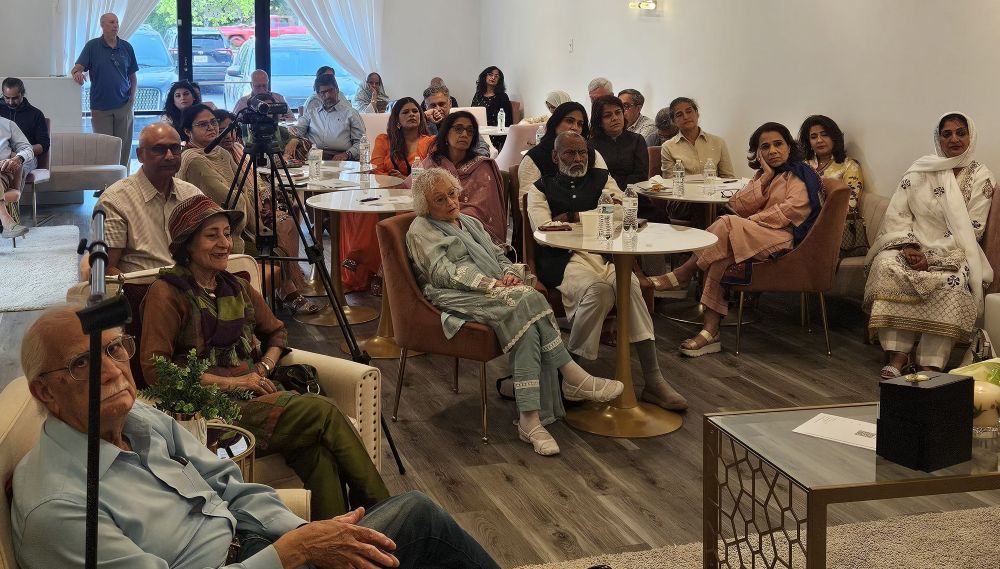
Several leaders from the arts and literary community shared thoughtful reflections on the books, followed by an engaging Q&A session marked by active audience participation. The evening quickly moved beyond literary analysis. Audience members spoke not only about the stories themselves, but also about what they perceived as the courage behind them. Many asked why the author chose to write so candidly and whether it felt risky to place family, memory, and deeply personal experiences into public space.
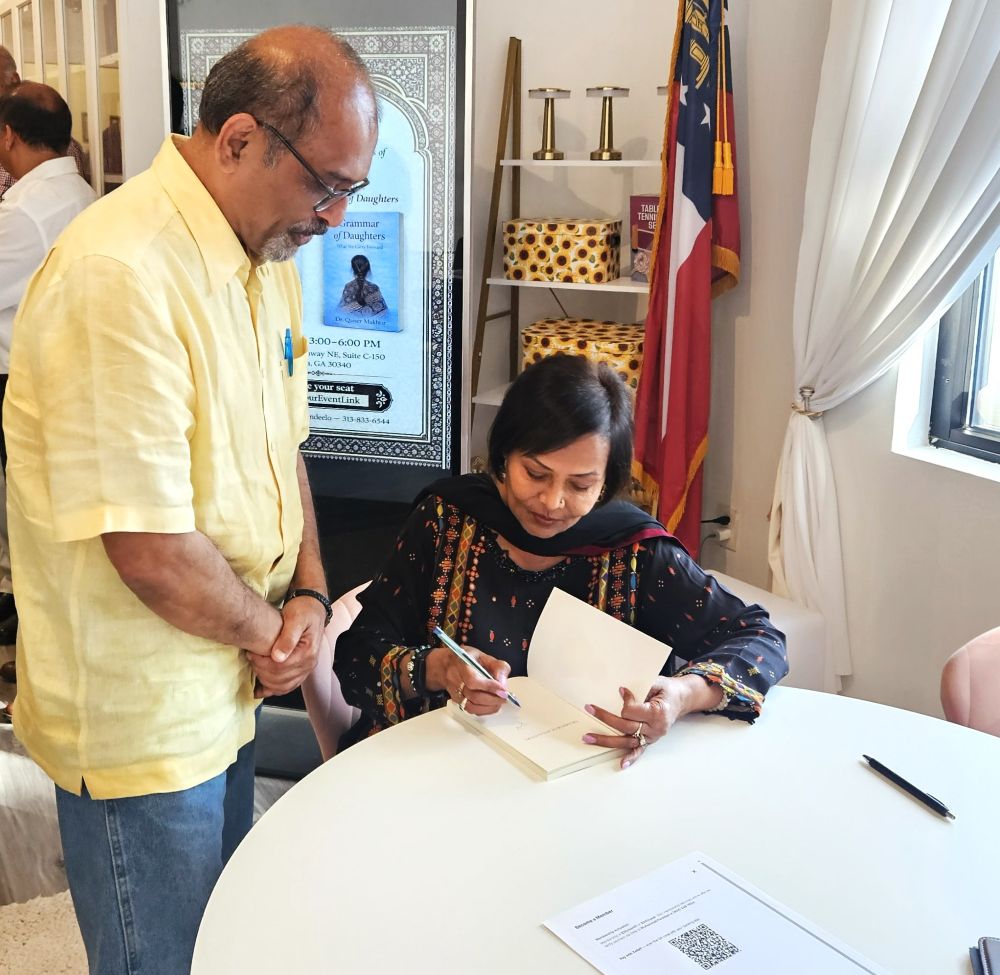
The discussion offered an opportunity to reflect on the intention behind Grammar of Daughters, which was never meant as exposure or confession. Instead, it emerged from a quieter curiosity: how are we shaped? Not only through major events, but by kitchens, classrooms, fathers, mothers, silences, expectations, departures, and the ordinary moments we often overlook.
Several audience members reflected on how stories rooted in Pakistan yet shaped by migration resonated with larger questions of identity, belonging, and what people carry across borders.
As the evening unfolded, discussions expanded toward larger themes—mothers, the importance of healing generational wounds, and the recognition that life itself is a one-time gift.
One moment that lingered for many came from a poem in Almost Light:
Life is a one-time gift,
fleeting and divine.
There is no pause,
no rewind—
only breath,
only now,
only time.
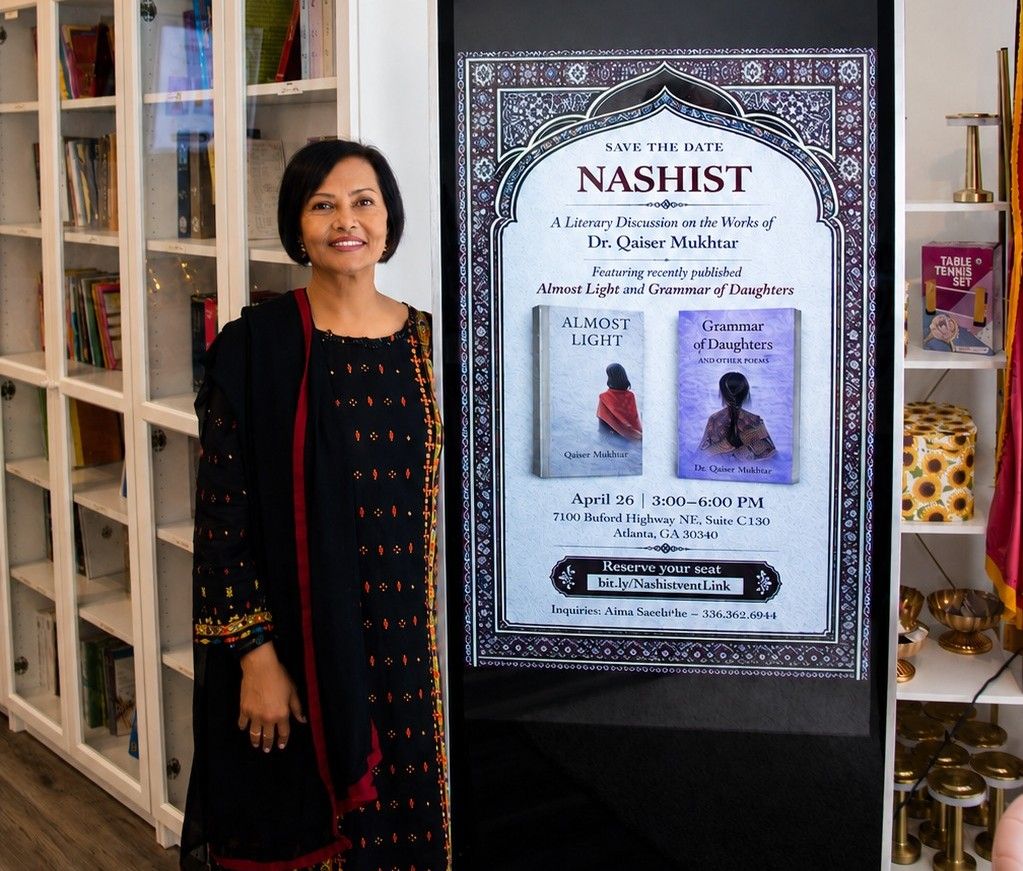
For an author, it was everything one could hope for and more: readers not simply discussing books but recognizing pieces of their own lives within them. Gratitude to Writers’ Forum and Urdu Library for creating a space where literature opened the door to conversations about memory, identity, family, and healing. The evening served as a reminder that stories and poems do more than entertain—they create room for people to see themselves, and one another, more clearly.
Recordings of the event are available on YouTube in two parts:
