






BY NAMITA DOGRA SUDAN*
In an era dominated by high-stakes thrillers and formulaic romantic comedies, Netflix’s latest relationship drama, Musafir Cafe, chooses a quieter, far more vulnerable path. Adapted from Divya Prakash Dubey’s popular Hinglish novel, the eight-part series tackles a truth many screen romances avoid: love alone isn’t always enough to overcome fundamental differences in life goals and timing.
Helmed by director Ruchir Arun and showrunner Sharanya Rajgopal, Musafir Cafe is less about the grand thrill of falling in love and more about the delicate, often painful negotiations required to stay there.
The Narrative: A Tale of Two Timelines
The series shifts seamlessly across two distinct timelines, using exceptionally smooth, well-thought-out transitions that keep the viewer deeply invested in both eras of Chander’s life.
In the past, we meet Chander Mohan Sharma (Vikrant Massey), a soft-spoken Bhopal engineer who harbors a quiet dream of leaving corporate life behind to open a cozy café in the hills. During an arranged marriage setup arranged by their mothers, he meets Sudha (Vedika Pinto), an outspoken, fiercely ambitious lawyer. While marriage is quickly taken off the table, an effortless friendship blooms over endless cups of chai, eventually evolving into a deeply affectionate live-in relationship.
However, trouble brews as their dreams diverge. Sudha’s sights are firmly set on the high-powered legal world of Mumbai, while Chander remains anchored to his mountain aspirations. What fractures them isn’t betrayal or dynamic drama, but the quiet realization that love can demand a compromise of identity neither is willing to make.
In the present, Chander has realized his dream: he runs Musafir Cafe tucked away in Mussoorie alongside Preeti (Mahima Makwana), a pragmatic travel writer who entered his life during the pandemic. But when Sudha re-enters the frame, the unhealed wounds and unresolved questions of Chander’s first love come rushing back to test the present.
Performances & Characterization
- Vikrant Massey delivers a grounded performance as Chander. He excels at portraying a man caught between his internal desires and his tendency to suppress his own needs in the name of being an “understanding” modern partner.
- Vedika Pinto brings a spirited energy to Sudha. While her initial scenes lean slightly into familiar tropes, she quickly settles into a multi-layered portrayal of a modern woman grappling with the price of personal ambition.
- Mahima Makwana handles the challenging role of Preeti with poise and warmth, giving dignity and agency to a character who could have easily been sidelined into a generic third wheel.
- Supporting Cast: The ensemble breathes immense life into the narrative world. Adil Hussain brings his usual effortless gravitas, while Rajeev Siddhartha adds crucial texture to the narrative, rounding out a cast where everyone feels perfectly matched to their role.
The Verdict
The Good:
- Mature Writing & Distinct Eras: Refuses to reduce its characters to simple “red flags” or “green flags.” The non-linear transitions are distinguished brilliantly—not just through Chander’s physical look (clean-shaven in the past versus bearded in the present), but in the distinct tonal contrast of both eras. The past radiates a vibrant, passionate first-love sincerity where Chander’s honesty feels raw, while the present carries a subtle, subdued, and mature energy.
- Relatable Dilemma & Poignant Theme: In an era consumed by the constant debate of Career vs. Love, the series takes viewers on an authentic journey that almost everyone has either lived through or is currently navigating. Ultimately, it leaves you reflecting on the classic line, “Har kisi ko mukammal jahan nahi milta.” Both Chander and Sudha are happy with how their careers turned out, yet they remain haunted by a mutual longing. Meanwhile, Preeti—who sacrificed her career for love—enjoys a quiet happiness, yet lives in the shadow of fear that Sudha will return.
- Visual Storytelling & Cultural Canvas: The series showcases both the cozy, picturesque charm of Mussoorie and the vibrant, nostalgic beauty of Bhopal like never before. Just as Korean dramas have long leveraged their local landscapes to build global tourism and aesthetic appeal, Indian filmmakers are finally using domestic settings to build “Brand India” on screen—making the backdrop feel like an active, captivating character.
- Flawless Performances Across the Board: Every actor fits their character like a glove. The deliberate emotional distance between Chander and Preeti serves the script brilliantly, clearly signaling a man still anchored in his past who cannot fully let someone new in.
The Bad:
- A Rushed Central Climax: Given how maturely and delicately Chander and Sudha’s relationship was built, their eventual breakup deserved a far more layered execution. The moment feels surprisingly hurried, leaving the lingering heartbreak and deep-seated pain of both characters slightly disconnected from the audience.
- Underdeveloped Secondary Dynamics: The subplot involving the secondary suitor, Rajeev Siddhartha, pursuing Preeti feels half-baked. The script fails to properly establish when they met, why his interest was sparked, or what genuinely motivates his feelings, leaving his arc feeling hollow.
- An Abrupt, Cliffhanger-Heavy Ending: While Sudha’s eventual return brings maximum dynamic tension, relying on a hard cliffhanger setup for a potential next season leaves this chapter feeling incomplete rather than organically concluded.
Final Thoughts
Rating: 3.5 / 5 Stars
Musafir Cafe isn’t a fairy-tale romance and that is precisely its strength. By treating its audience to a realistic look at how timing, career aspirations, and personal identity shape romantic outcomes—set against breathtaking Indian vistas—it delivers a thoughtful, bittersweet watch that lingers long after the credits roll.
Author’s Recommendations: What to Watch Next
Finished bingeing Musafir Cafe and looking for your next streaming pick? Here are two distinct, high-value recommendations to add to your watchlist:
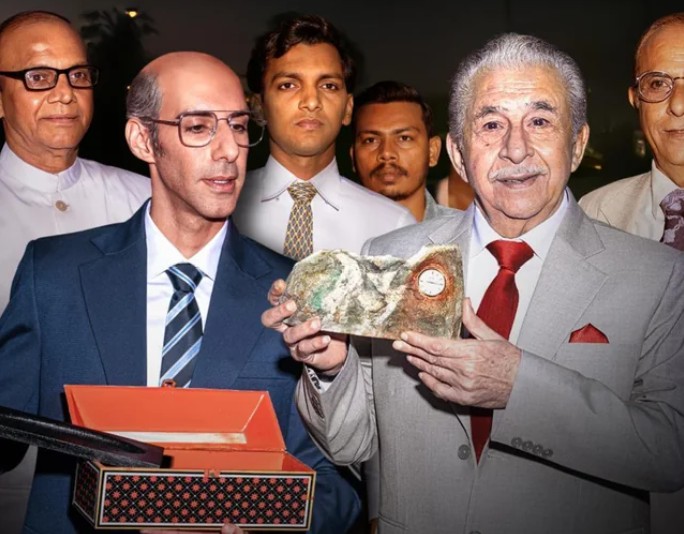
Made in India: A Titan Story (Prime Video)
Much like Hollywood routinely celebrates its visionary pioneers with biopics on Steve Jobs or Mark Zuckerberg, Indian cinema needs to tell stories that evoke pride in our own industrial builders. This series shines a long-overdue spotlight on the brilliance of J.R.D. Tata (played with supreme dignity by Naseeruddin Shah) and Xerxes Desai (Jim Sarbh) in building Titan from scratch into an Indian powerhouse. It’s an essential, inspiring watch that reminds Indian audiences of the visionary grit behind modern India.
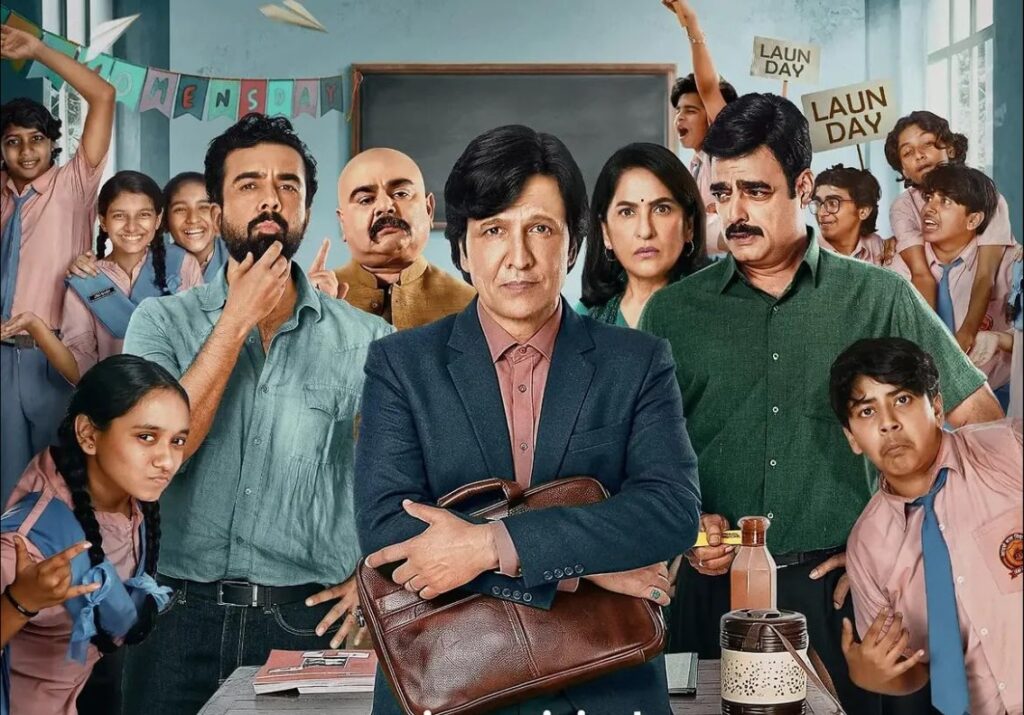
Adarsh Baal Vidyalaya (Prime Video)
If you’re looking to unwind with a lighthearted, no-brainer watch, this satirical comedy is an absolute delight. Kay Kay Menon delivers a masterclass in comic timing as a quirky, laid-back school principal, bringing effortless wit and warmth to a sharp social commentary. Perfect for a relaxed evening binge.
Happy watching!
