


NRI PULSE STAFF REPORT
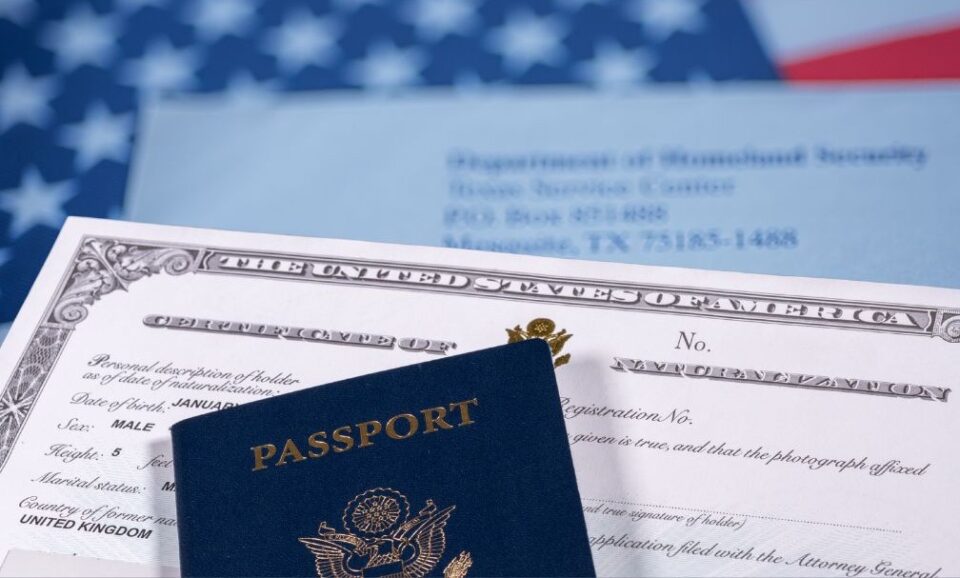
A social media post by Charleston, South Carolina-based Banias Law has drawn attention to a citizenship case in which U.S. Citizenship and Immigration Services (USCIS) cited an applicant’s LinkedIn connection requests to agency officials as a factor weighing against a finding of “good moral character.”
In a post on X, Banias Law shared an excerpt from a USCIS notice involving a naturalization applicant who attempted to connect on LinkedIn with the San Jose Field Office Director and the San Francisco District Director while his application was pending.
According to the excerpt, the applicant testified during a naturalization interview that he requested to follow and connect with USCIS staff members so they could “have access to who you are as a person.”
USCIS wrote that the conduct was “inconsistent with appropriate professional boundaries between applicants and USCIS personnel,” reflected “a disregard for official channels of communication with the agency,” and raised concerns about “potentially threatening, coercive, or improperly influential behavior toward USCIS staff.”
The notice further stated that Department of Homeland Security personnel face threats and intimidation and concluded that the applicant’s “lack of judgment in this regard reflects adversely on your good moral character.”
Banias Law criticized the agency’s position in its X post.
“USCIS thinks a LinkedIn follow request to its employees reveals a ‘lack of judgment’ and ‘reflects adversely on [] good moral character,'” the firm wrote.
The firm also noted that the notice, as shown in the excerpt, does not accuse the applicant of making direct contact with USCIS employees beyond the LinkedIn requests.
“There is no accusation of actual contact, just a request to follow,” the post stated.
The excerpt cites the catch-all provision of Section 101(f) of the Immigration and Nationality Act, which allows immigration officials to consider conduct not specifically listed elsewhere in the statute when evaluating whether an applicant has demonstrated good moral character, a requirement for naturalization.
The full notice has not been publicly released, and it is unclear whether the LinkedIn requests were the sole basis for USCIS’s concerns or one factor among others considered in the case.
Wow. @USCIS thinks a @LinkedIn follow request to its employees reveals a "lack of judgment" and "reflects adversely on [] good moral character." It now wants to deny naturalization because an applicant sent a LinkedIn follow request so @USCIS could have access to his full… pic.twitter.com/Sl2nzIs3sF
— Banias Law (@BaniasLaw) June 25, 2026
