





BY DR. QAISER MUKHTAR
Watching elections sometimes reminds me of a child caught in the middle of a bitter custody battle.
Two parents spend their hard-earned money on lawyers, each determined to prove the other wrong. The bills mount. The accusations become more personal. And the child stands between them, bewildered and hurt.
Money that could have gone toward the child’s education, health, or future goes instead toward prolonging the fight. I wonder whether, in the middle of it all, either parent pauses to ask: What is this doing to the child we both say we love?
The comparison is not exact. Voters are not children, and political disagreements have real consequences. But the feeling is familiar: watching two sides become so consumed with defeating each other that the well-being of the people they claim to represent seems to slip out of view.
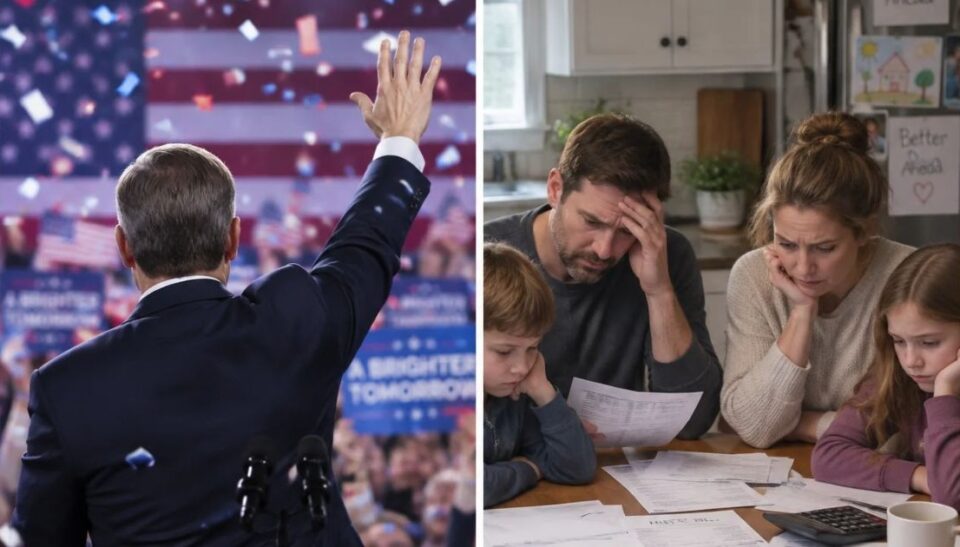
I think about the person watching campaign ads after a long shift, wondering how to pay the rent. The parent postponing a medical appointment because a child needs something first. The young adult trying to build a future without knowing whether next month’s paycheck will cover the basics.
What do they hear amid all those accusations? What gives them reason to believe their lives will get better?
I want elections to offer something more useful than another reason to dislike someone. I want to hear what candidates understand about people’s lives, what they propose to change, and, most importantly, how they intend to accomplish it.
I also imagine a political system in which a person’s opportunity to serve depends less on personal wealth or access to wealthy donors and more on merit: judgment, integrity, competence, and a demonstrated commitment to others.
Money should not determine whose voice deserves to be heard.
I would like to see meaningful limits on campaign spending and a political culture that rejects personal attacks. Challenge a candidate’s record. Scrutinize their proposals. Ask difficult questions about costs, consequences, and promises that sound too easy. That is what it means to take voters seriously.
But humiliation is not accountability. An expensive campaign is not evidence of a good idea. And disagreement should not automatically turn opponents into enemies.
This matters even more after the election.
A campaign built around defeating an opponent must eventually become a government capable of delivering results. Winning seats is an achievement, but it is not the achievement voters are ultimately waiting for.
The promises are what matter now.
Affordable healthcare. Housing that does not consume most of a family’s income. Wages that keep pace with the cost of living. Opportunities for young people to build stable futures. And leadership willing to pursue peace rather than accept conflict as inevitable.
These are not problems that can be solved with a victory speech, nor should anyone expect them to disappear overnight. But voters deserve to see serious, sustained efforts to address them.
I am particularly interested in what a new generation of political leaders might bring to these longstanding challenges. Younger people should have a role beyond knocking on doors, organizing rallies, and turning out the vote. They should have a meaningful voice in setting priorities, developing policies, and questioning approaches that have failed to deliver.
Their experiences of today’s economy, housing market, healthcare system, and uncertain future are not peripheral to political decision-making. They are central to it.
At the same time, the knowledge of those who have spent decades serving their communities should not be discarded. Progress requires both experience and fresh thinking, along with the humility to recognize that neither generation has all the answers.
I would also like to see a different kind of political communication once the votes are counted.
When progress is difficult, explain why. Tell us what has begun, what obstacles remain, and what alternatives are being considered. If a proposal cannot move forward, tell us what can. Acknowledging limitations is not weakness. It is part of earning public trust.
And when something succeeds, let the results speak for themselves.
To those who have won: celebrate your victories, but do not mistake them for a permanent endorsement. A seat won today must be earned again through the work done tomorrow.
Whatever money financed the campaigns, people cast the votes. They made room for political promises amid their own worries and responsibilities. Some allowed themselves to hope again.
That hope carries an obligation.
I want to see what these victories will mean at the kitchen table, at the doctor’s office, in the classroom, and in the lives of people struggling to make it through the month.
We changed the map. What I’m hoping for next is a change people can feel.
*Dr. Qaiser Mukhtar is a writer and former public health scientist whose work explores identity, family, memory, and the quiet emotional architecture of everyday life. She is the author of Almost Light and Grammar of Daughters and lives in Georgia.
