





BY MAHADEV DESAI
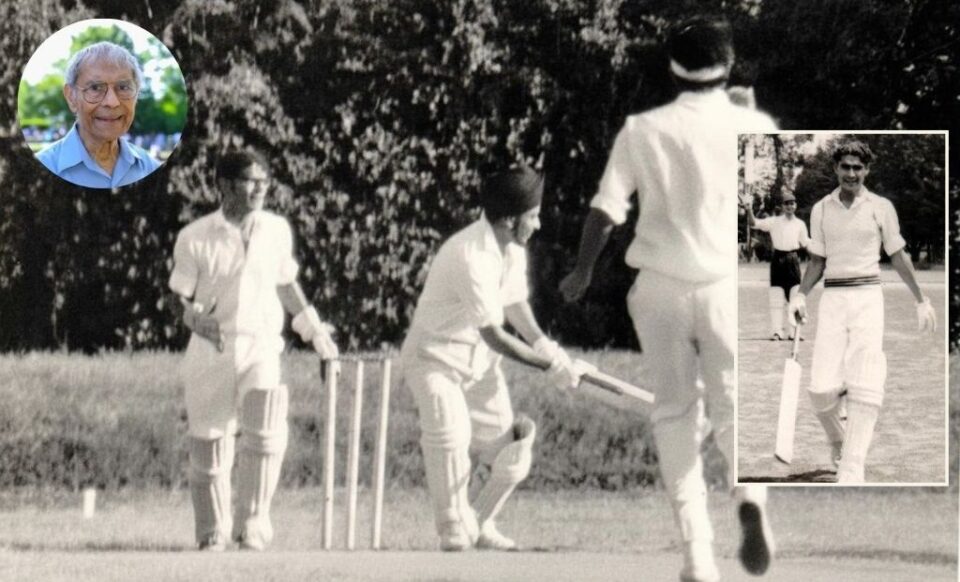
I was nine years old when my family moved from Tanzania to Nairobi, Kenya. We lived in government quarters, arranged in a ring of about twenty homes surrounding a small, dusty ground. That patch of earth became our universe. It was where my love for cricket first took root during my teenage years. With improvised bats and tennis balls, we played endless matches with other youngsters from the quarters, our enthusiasm far outweighing our equipment.
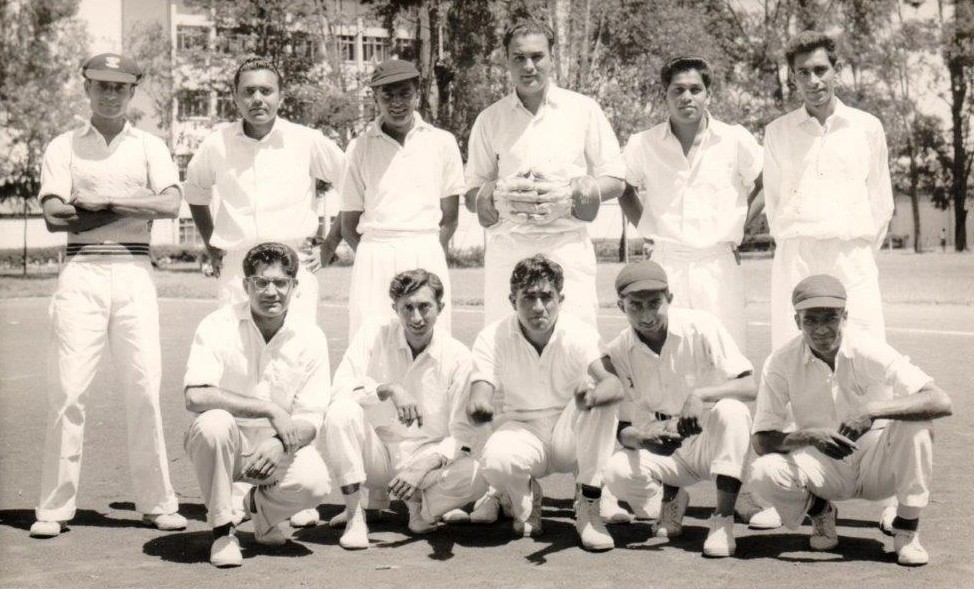
At Jamhuri High School, which boasted grounds for cricket, soccer, field hockey, and volleyball, my passion deepened. I was selected for the school cricket team, and we played inter‑school matches as well as fixtures against Nairobi’s established cricket clubs.
Cricket was immensely popular in Kenya. The Asian community supported several vibrant clubs—Nairobi Gymkhana, Premier Club, Sir Ali Muslim Club, Oshwal Club, Kathiawar Sports Club, and Sikh Union Club. Europeans had their own institutions, such as Nairobi Club with its prized turf pitch, and Parklands Sports Club, frequented mostly by settlers and expatriates from England. Inter‑club cup matches and the annual three‑day Asians vs. Europeans “Test” were fiercely contested, stirring deep passion among players and spectators alike.

Most matches were played on matting wickets in those days, though turf pitches gradually replaced them after Independence. Visits by the MCC, Pakistan’s Test players, and teams from Uganda, Tanzania, and Zambia drew large crowds. This was long before Kerry Packer’s night cricket or limited‑overs formats. Black African participation was also rare at the time.
As a high‑schooler, I often walked straight from class to the nearby Nairobi Gymkhana, where a kindly Parsi groundsman allowed me to practice in the nets. I was a batsman and wicket‑keeper, usually batting at number four, and I was fortunate to win a few batting awards.
From Nairobi to Mumbai
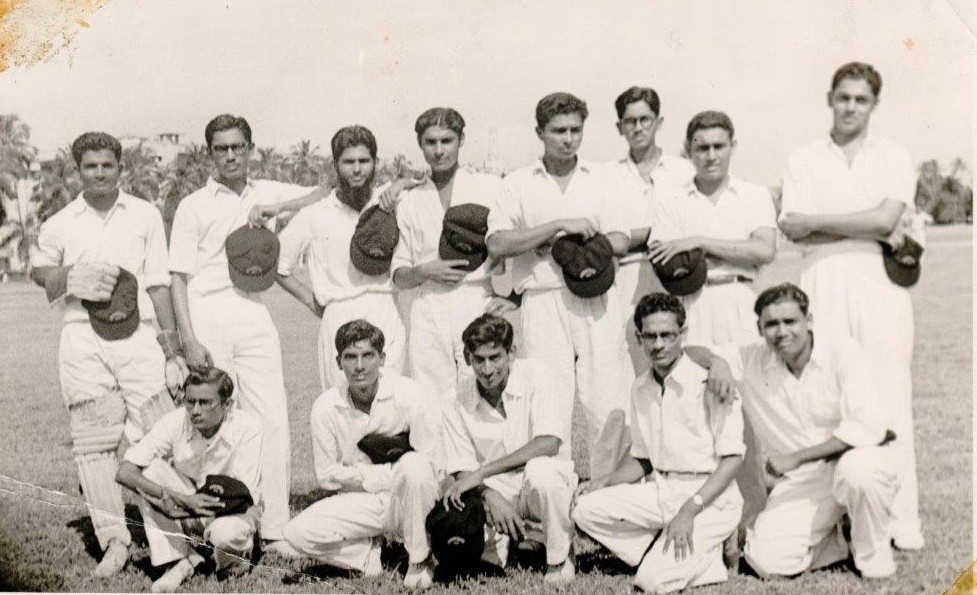
For further studies, I moved to Mumbai and joined the iconic Sydenham College. Barely a month after admission, I attended the cricket team selection trials—and to my delight, I was chosen for the college team. Cricket became the heartbeat of my college life. It helped me make lifelong friends, explore the vast city of Bombay, and even travel during summer breaks to Sangli and Kolhapur.
In Sangli, the legendary Vijay Hazare visited our team, watched our match, and offered us invaluable batting tips—an unforgettable moment for a young cricketer.
Having grown up playing on matting wickets in Kenya, I had to quickly adapt to turf pitches in Bombay. I often skipped afternoon classes to practice at the spacious Oval Maidan, where inter‑college competitions were fiercely fought. I had the privilege of playing against Test cricketers such as Manjrekar, Umrigar, Balu Gupte, and Nari Contractor.
Our coach insisted we watch visiting Test teams—West Indies, Pakistan, Australia—play India at the Brabourne Stadium to understand the finer nuances of the game. In my devotion to cricket, I neglected my studies and failed my final exam. I remembered my father’s warning from my school days: “You may be good at cricket, but in India, only eleven players are selected out of crores like you.” I reappeared for the exam and eventually earned my degree.
Return to Nairobi
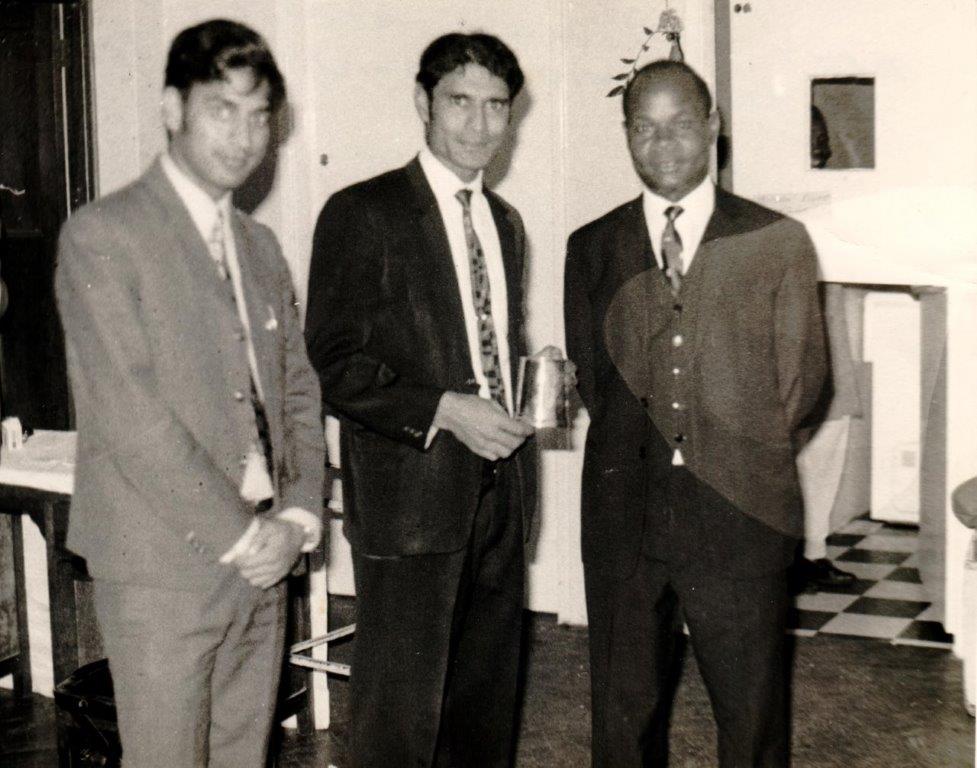
After graduating, I returned to Nairobi and resumed playing cricket. The Polytechnic where I taught had no sports ground, but a few students urged me to form a team. So I did—bringing together three expatriate teachers and several students. We practiced on various grounds across the city, and to everyone’s surprise, the Polytechnic team won both the Knockout and Commercial League competitions in 1973.
I owned a geared bicycle then, and I rode it regularly to the Nairobi Gymkhana for practice and matches. Sadly, I had to give up cricket when my teaching duties expanded into the evenings.
In 1974, I left Kenya for London, where my cricketing journey quietly came to an end. But in Nairobi, cricket remained more than a sport—it was a social institution, a bridge between communities, and a cherished part of the city’s cultural fabric.
Cricket in Kenya today
Men’s cricket in Kenya has seen periods of resurgence, with Nairobi still serving as the hub for domestic competitions and youth development programs. Women’s cricket has grown steadily as well, with increasing participation, structured leagues, and national representation in regional tournaments. Both the men’s and women’s teams continue to nurture young talent, keeping alive the city’s long and proud cricketing tradition.
