



NRI PULSE STAFF REPORT
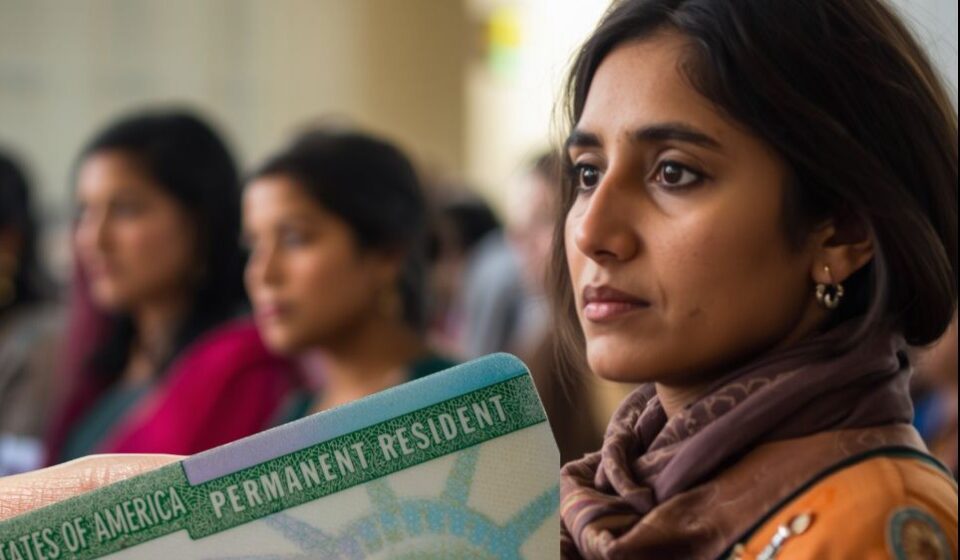
Washington, D.C., May 14, 2026 — Thousands of Indian professionals waiting for U.S. employment-based green cards are facing fresh uncertainty after the U.S. Department of State’s June 2026 Visa Bulletin announced significant retrogression in key visa categories, pushing back priority dates and extending already lengthy waits for permanent residency.
According to the June visa bulletin released this week by the U.S. Department of State, high demand and annual visa number limits have forced officials to roll back final action dates for Indian applicants in the employment-based categories, particularly EB-1 and EB-2. The State Department said the move was necessary to keep visa issuance within the fiscal year 2026 statutory limits.
Under the new bulletin, India’s EB-1 category — reserved for priority workers such as multinational executives, outstanding researchers, and individuals with extraordinary ability — retrogressed by three and a half months, moving from April 1, 2023, to December 15, 2022.
The setback was even sharper in the EB-2 category, which covers professionals with advanced degrees or exceptional ability. The final action date for Indian applicants moved back by more than 10 months to September 1, 2013, effectively delaying green card approvals for thousands of applicants whose priority dates had recently become current.
India’s EB-3 category for skilled workers and professionals showed little movement, with the final action date at December 15, 2013. Meanwhile, the EB-5 unreserved investor category remains available for now, but the State Department warned that rising demand could make the category retrogress or become unavailable as early as next month.
Immigration attorneys say the worsening backlog reflects a structural problem in the U.S. immigration system — the 7% per-country cap on employment-based immigrant visas. Although approximately 140,000 employment-based green cards are issued each year, no single country can receive more than 7% of the annual allocation, regardless of demand.
For India, where demand from highly skilled workers has surged for decades, the cap has created a massive bottleneck. Industry estimates suggest more than one million Indian nationals remain stuck in employment-based green card backlogs, with some facing projected wait times stretching into decades.
The consequences go beyond immigration paperwork.
Many Indian professionals on temporary work visas such as the H-1B say the backlog limits career mobility, since changing employers or accepting promotions can complicate underlying sponsorship paperwork. Families also face long-term uncertainty when making major financial decisions such as buying homes, starting businesses, or planning international travel.
Another major concern involves dependent children. Because green card wait times often extend beyond a decade, many children of H-1B workers risk “aging out” when they turn 21, losing their dependent visa status before their parents’ permanent residency applications are approved.
The State Department warned that additional retrogressions or temporary visa unavailability may occur in the coming months if demand continues to exceed available visa numbers before the fiscal year ends on September 30.
For Indian professionals who have already spent years navigating America’s immigration system, the June bulletin is being seen as yet another setback in what many describe as a decades-long wait for stability.
