


NRI PULSE STAFF REPORT
Austin, TX, January 28, 2026: Texas Governor Greg Abbott has ordered an immediate freeze on new H-1B visa petitions filed by state agencies and public institutions of higher education, citing concerns over alleged abuse of the federal visa program and the need to prioritize employment opportunities for Texas residents.
The directive, issued this week, requires all Texas state agencies and publicly funded universities to halt the filing of new H-1B petitions unless they receive written approval from the Texas Workforce Commission (TWC). The freeze will remain in effect through May 31, 2027, according to the governor’s office.
The order does not cancel or revoke existing H-1B visas. Foreign workers currently employed under approved petitions may continue working through the duration of their authorized stay. However, agencies seeking to hire new H-1B workers during the freeze must demonstrate that no qualified Texas worker is available for the position and obtain special authorization from the TWC .
In addition to the hiring freeze, Abbott has directed state agencies and public universities to submit detailed reports by March 2026 outlining their use of the H-1B program. The reports must include the number of H-1B petitions filed in 2025, the number of current H-1B employees, job titles, countries of origin, visa expiration dates, and documentation of recruitment efforts aimed at Texas workers.
Abbott framed the move as a safeguard for taxpayer-funded jobs. “Texas must ensure that state agencies and public universities are not bypassing qualified Texans in favor of foreign labor,” the governor said, pointing to what his administration described as concerns about misuse of the visa program.
The H-1B visa is a federal program that allows U.S. employers to hire foreign workers in specialty occupations, commonly in fields such as science, engineering, medicine, and higher education. While the program is regulated at the federal level, states have discretion over hiring policies within publicly funded institutions.
The decision is expected to have significant implications for Texas public universities and research institutions, many of which rely on H-1B visas to recruit faculty, post-doctoral researchers, medical professionals, and specialized technical staff. Higher-education leaders have warned that restrictions on visa sponsorship could complicate recruitment and affect research competitiveness, particularly in STEM and healthcare fields.
Supporters of the freeze argue it reinforces a “hire Texans first” approach and ensures greater oversight of public hiring practices. Critics counter that the move could exacerbate staffing shortages and limit access to global talent, especially in specialized academic and research roles.
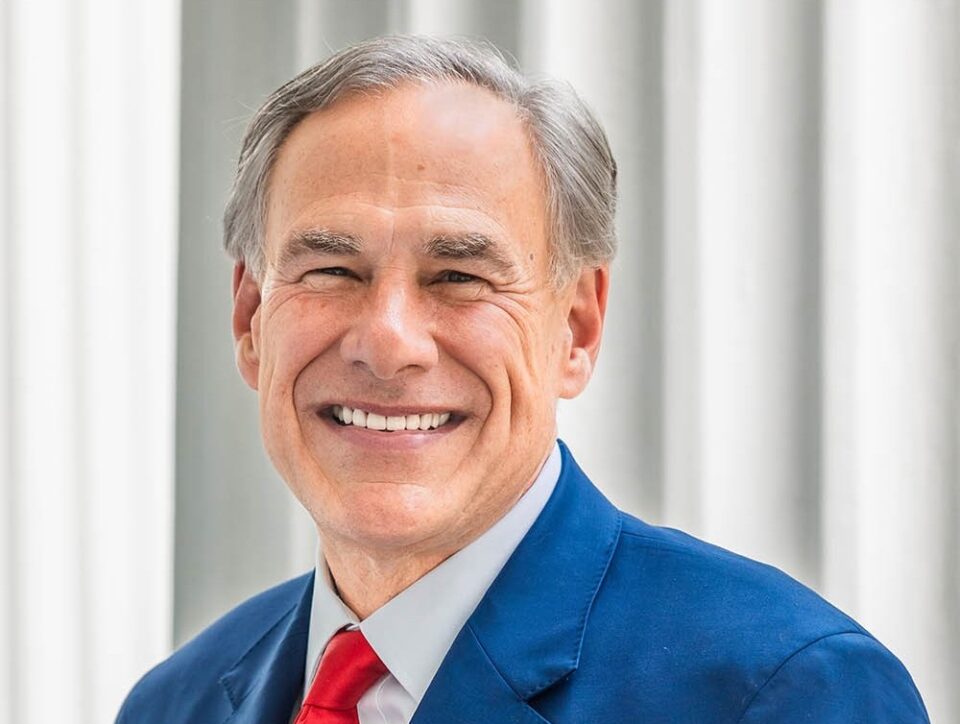
Cover photo credit: Governor’s Office Website, Texas.gov.
