


BY VEENA RAO
UPDATE: Jyot Singh has since shifted his campaign from State Senate District 7 to Georgia State House District 97. In a February 27 announcement, Singh said he will officially launch his bid for House District 97 at a March 1 rally in Peachtree Corners, noting that the move follows Rep. Ruwa Romman’s decision to run for the now-open Senate District 7 seat after suspending her gubernatorial campaign. Singh, a Gwinnett native, organizer, and small business owner, said he is entering the House race with the same focus on delivering for working families, and will seek to succeed Romman in what is now an open district.
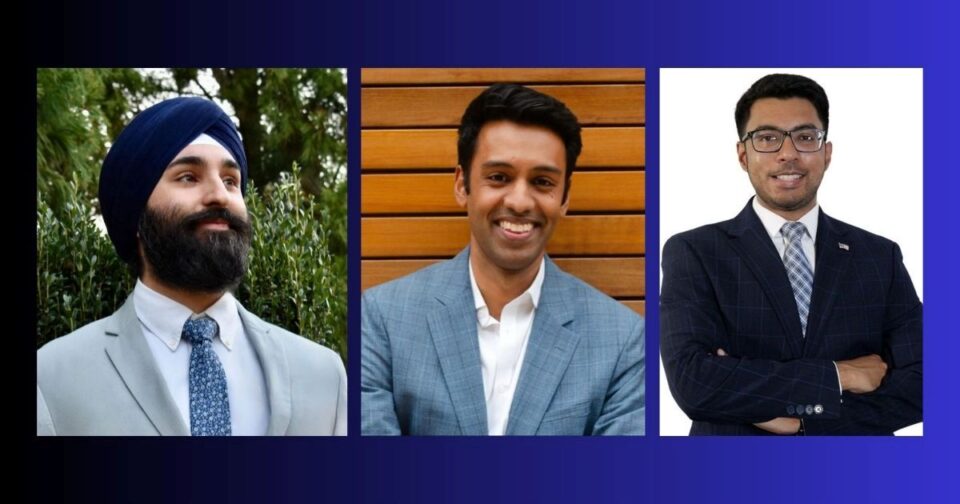
Gwinnett County, GA, February 27, 2026: Three young Indian American candidates, all children of immigrants who grew up in Georgia, are stepping into state politics in 2026.
In State Senate District 7, Rahul Garabadu is competing for the open seat currently held by Sen. Nabilah Islam Parkes, who is running statewide for Georgia Insurance Commissioner. Meanwhile, engineer and community leader Shelly Abraham has announced his candidacy for Georgia House District 99, one of the state’s most competitive legislative battlegrounds. Jyot Singh shifted his campaign from State Senate District 7 to Georgia State House District 97 late last week.
The candidacies reflect a broader trend: as Gwinnett County grows more diverse, Indian Americans are increasingly moving from civic engagement and grassroots organizing into electoral leadership.
Rahul Garabadu
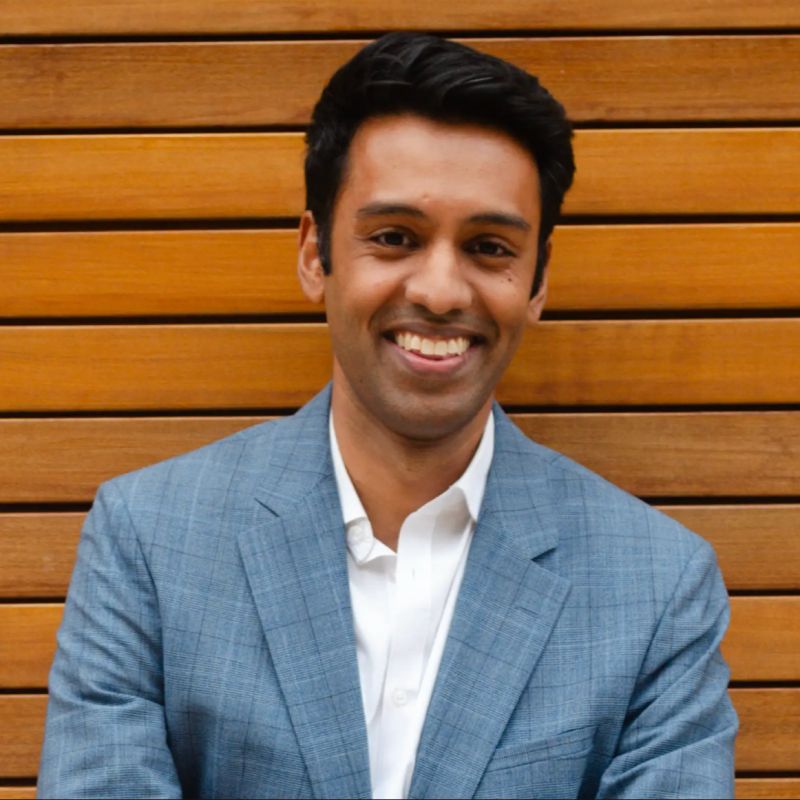
Civil rights attorney Rahul Garabadu announced his bid for Georgia State Senate District 7, positioning himself as an advocate for voting rights, healthcare expansion, and immigrant protections.
A Norcross resident, Garabadu is the son of Nivedita and Sanjoy Garabadu, who are well known in the local Indian American community. A graduate of Georgia public schools, Georgetown University, and Harvard Law School, he built his career in civil rights law, serving as an ACLU attorney and later as a civil rights prosecutor.
His campaign highlights work challenging Georgia’s electoral maps, advocating for detainee safety in county jails, and securing protections for families whose children with disabilities were denied daycare access.
Garabadu’s platform focuses on lowering the cost of living, expanding Medicaid, protecting immigrant communities, and safeguarding voting rights.
“As the son of immigrants, Rahul knows firsthand that immigrants make our community stronger,” his campaign states.
Jyot Singh
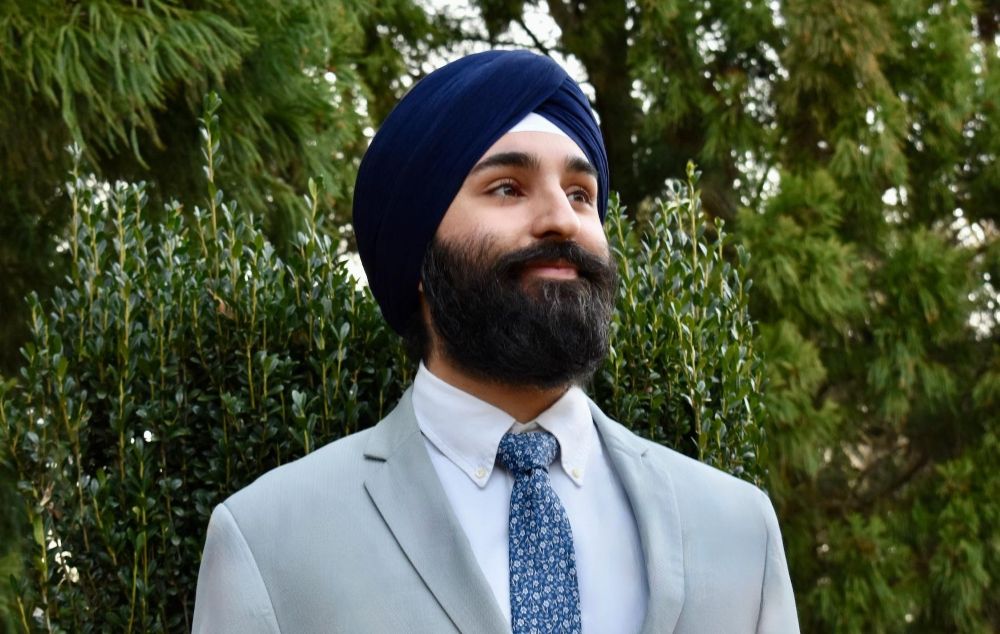
Jyot Singh, a Norcross and Peachtree Corners native, organizer, and small business owner, has entered the House District 97 race.
A graduate of Gwinnett County Public Schools and Yale University, Singh says he is running to protect what he calls the “Gwinnett tapestry” and to serve as a firewall against federal overreach.
If elected, Singh would become the first Sikh and Indian American to serve in the Georgia State Legislature.
“I’ve lived the successes and the failures of our government,” Singh said in his announcement, referencing his family’s experience with healthcare access and economic hardship. He points to his role managing the renewal of Gwinnett’s E-SPLOST program, which delivered $1.4 billion for schools, and his organizing efforts during the 2020 election cycle.
Singh’s platform centers on protecting immigrant communities and civil rights, codifying abortion access and protecting IVF and contraception, expanding Medicaid and mental health access, and addressing tax burdens on working families. He has received an endorsement from State Rep. Ruwa Romman (HD-97).
Shelly Abraham
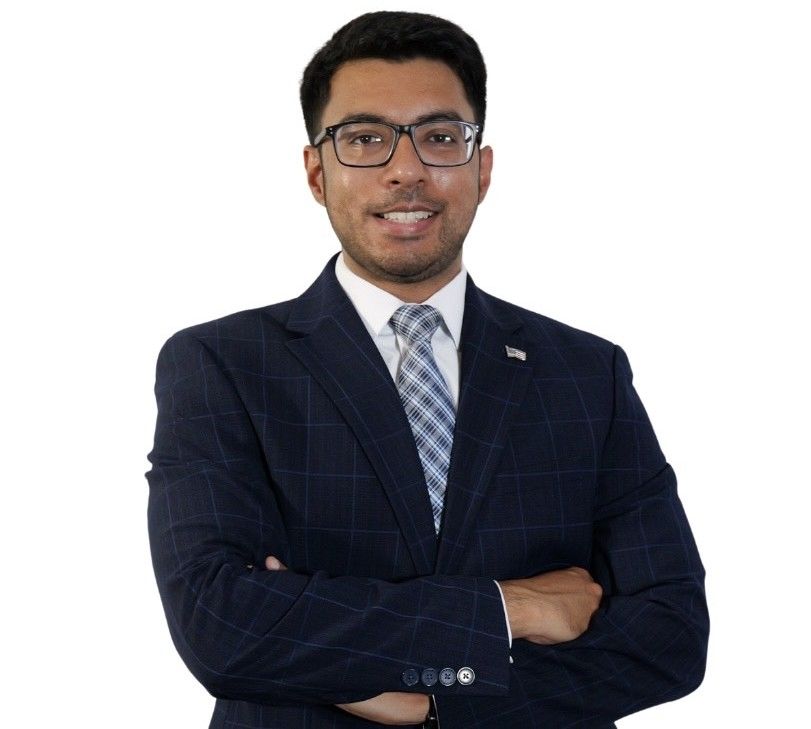
In neighboring House District 99, Shelly Abraham has launched a campaign to represent Duluth, Suwanee, and Sugar Hill.
An engineer and longtime Gwinnett resident, Abraham is a graduate of Kennesaw State University and works on industrial mechanical systems for EV battery plants. He has served as secretary of the Gwinnett Democratic Party, volunteered with the Young Democrats of Georgia, and participated in community organizations including the Kiwanis Club and Duluth Fall Festival.
House District 99 has been a targeted district by both parties in recent election cycles.
Abraham says his campaign will focus on supporting public schools, reducing tax burdens on families and small businesses, expanding affordable homeownership, lowering healthcare, utility, and insurance costs, implementing public safety investments and anti-gun violence policies, and protecting reproductive and civil rights.
“Our community deserves a representative who listens, who shows up, and who puts families first,” Abraham said in his announcement.
Political leadership
Gwinnett County is now one of Georgia’s most diverse counties, with Indian Americans forming a significant and growing share of its population. Over the past decade, Indian Americans have increasingly engaged in local school boards, civic organizations, advocacy groups, and party leadership roles.
The emergence of multiple Indian American candidates in competitive state legislative races signals a maturation of that civic involvement into direct political leadership.
The 2026 primary elections are scheduled for May, with the general election set for November.
