





BY MANVI PANT
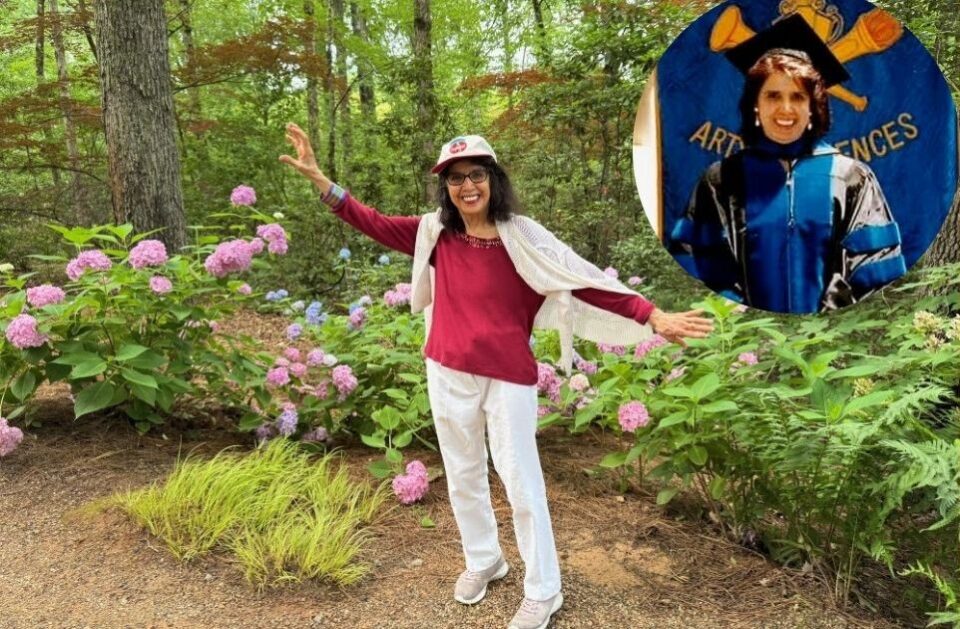
Imagine being a woman of color in her mid-50s, stepping into an American university classroom, graceful, calm, composed, curious, passionate, yet equally fierce and resilient – that’s Dr. Uma Majmudar.
Her story centers around her love for books. Majmudar was four when she first displayed a fascination for dramatic reading and narrating that set the tone of her life. Imitating voices, sentences, expressions, almost nothing escaped her attention. Sharply observant of her surroundings, she would return home to recreate conversations with unbelievable precision, repeating them until they were etched into memory. It’s not just that – she was also gifted with an extraordinary ability to memorize. She remembered people, faces, dates, and even the tiniest details surrounding an event.
Fondly called ‘a keetabi keeda’ – a bookworm in English. Majmudar recalls, “Going to the library was my biggest joy in childhood. Not drama, not music, but going to the library. And stay there for hours, reading magazines and books. So, the seeds of learning and reading were planted quite early in me.” Also, being the daughter of a lawyer who carried a profound love for English Literature further supported Majmudar’s learning. “Being the youngest child in our family and having no mother, I was very close to my father, whose avid ardor and avid addiction to books, especially on literature and philosophy, influenced me immensely,” she adds.
A Quiet Force…
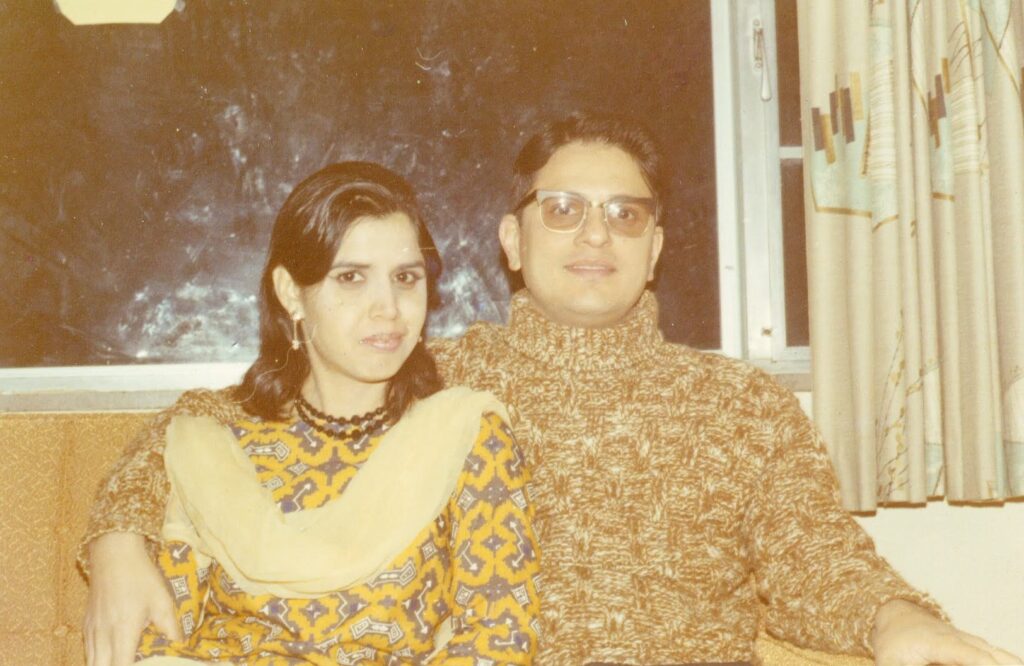
Majmudar moved to the United States with her now late husband, Dr. Bhagirath Majmudar, and their two-year-old in 1967. While marriage and motherhood took most of her time, she refused to abandon her intellectual pursuits. Making a place for oneself in foreign soil was no easy feat. The difference between countries felt surreal, like ‘day and night’, yet her love for literature and expression remained constant. Her connection with the India-America Association yielded some results, and she not only started contributing to their quarterly magazine ‘Voice of India’ but also edited it.
With unparalleled perseverance, she soon found a wide readership and began writing for India Abroad, a New York-based publication. She also enrolled in a Journalism course at Georgia State University. Her hard work opened unexpected doors when an American professor, Dr. Edith Blicksilver, impressed by her work, invited her to contribute a chapter to a book on immigrant experiences. That moment became a turning point for her. What began as a personal reflection slowly transformed into an academic pursuit.
Returning to the Classroom…
One thing led to another. Driven by a long-held desire to teach at the college level, as she had once done in Ahmedabad, here was Majmudar carefully strutting through the corridors of Emory University at the age of 50 because to teach in American institutions, she needed an American degree. She had enrolled in a PhD program.
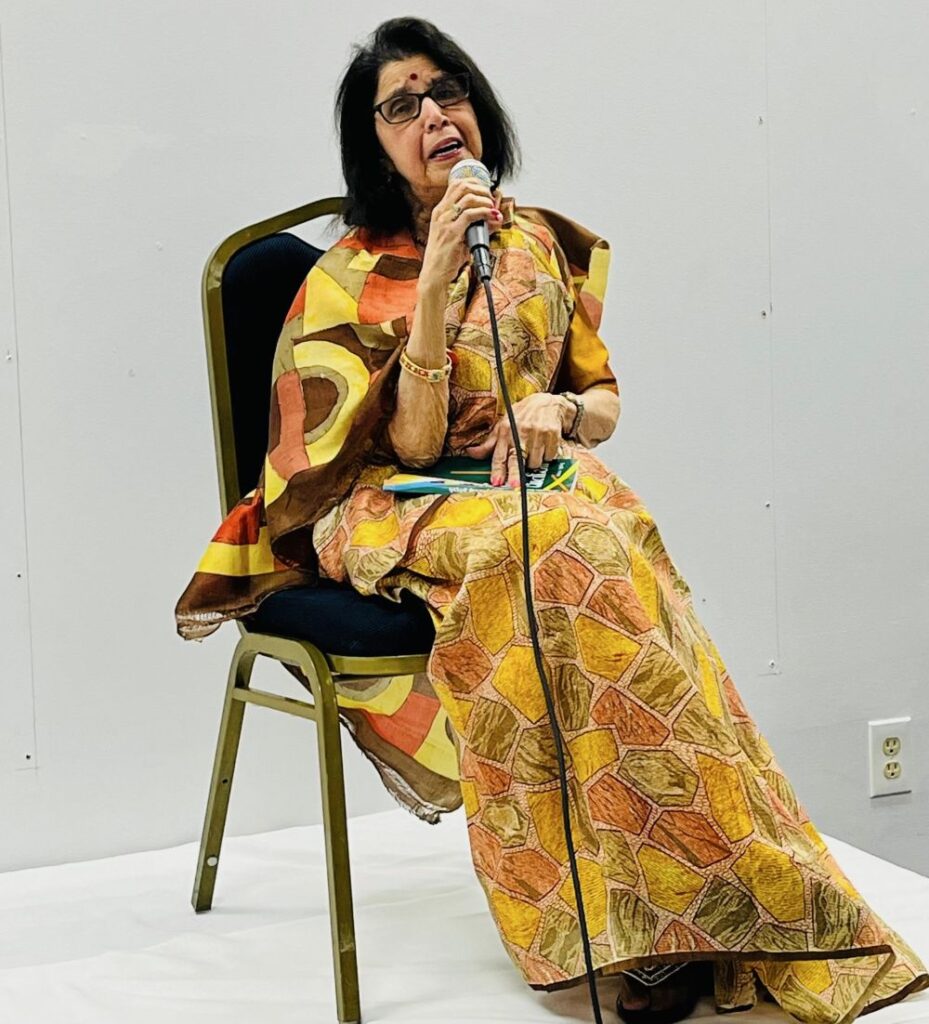
“It felt as natural to me as a fish thirsty for water and sailing in the river of books forever. It enhanced my sense of identity, strengthened it, and fulfilled me deeply!” she quips. The program also qualified Majmudar to teach at a higher college level, write academic books, have them accepted by reputable publishers, and be invited to speak at institutions nationwide — colleges, as well as schools, libraries, and other educational institutions.
Age is an Advantage…
For many women of Indian origin, age is often a determining factor in deciding whether to pursue their passion. And it is not by choice; it is by design. It is by conditioning. It is how society shapes our worldview. We are taught to sweep our desires under the carpet as we age, or as responsibilities naturally take over. This narrative, however, is slowly evolving, but we still have a long way to go. Majmudar calls her age her ‘biggest badge of honor’, one that significantly boosted her sense of fulfillment. “Because with maturity comes the clarity of purpose, the discipline, a firm determination, plus wisdom to study regularly & avidly.”
Uma, the Gandhian…
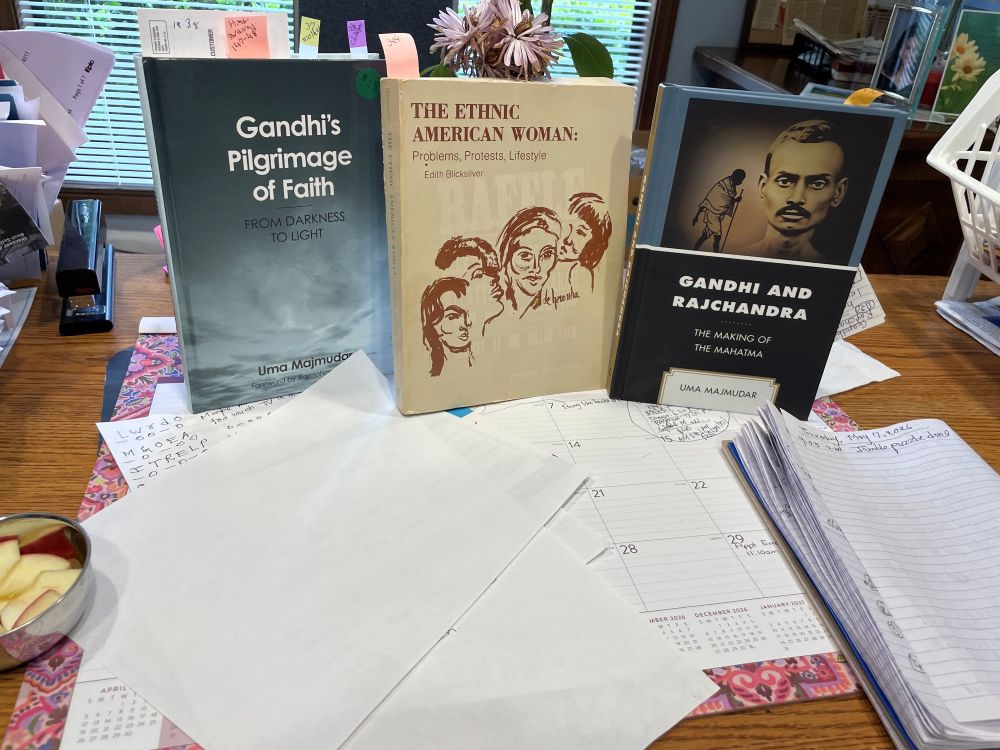
Among the many intellectual influences in her life, the philosophy of Mahatma Gandhi played a significant role in shaping Majmudar’s academic interests. Though she candidly clarifies that the Father of the Nation was not her role model, his life and ideas, particularly those surrounding truth and non-violence, inspired her research work. Her doctoral thesis explored the different stages of Gandhi’s life, eventually leading her to publish a book and to further explore academic studies of various spiritual figures associated with him.
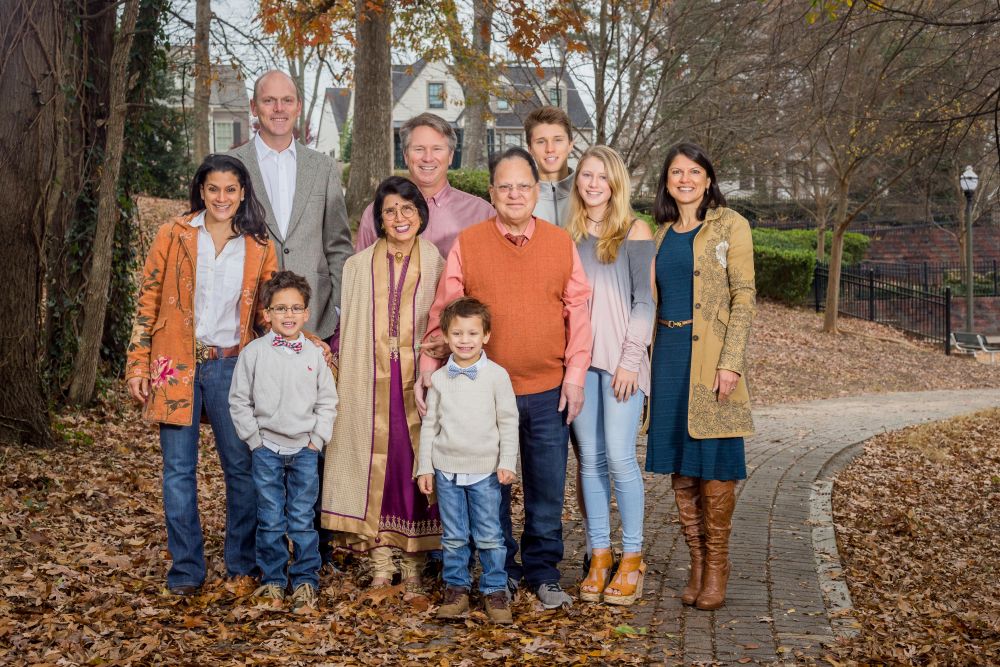
Now in her mid-80s, Majmudar is still as vibrant, curious, and imaginative as she was decades ago. She continues to read, write, and think, just as she did as a child sitting in a library, captivated by the world of books.
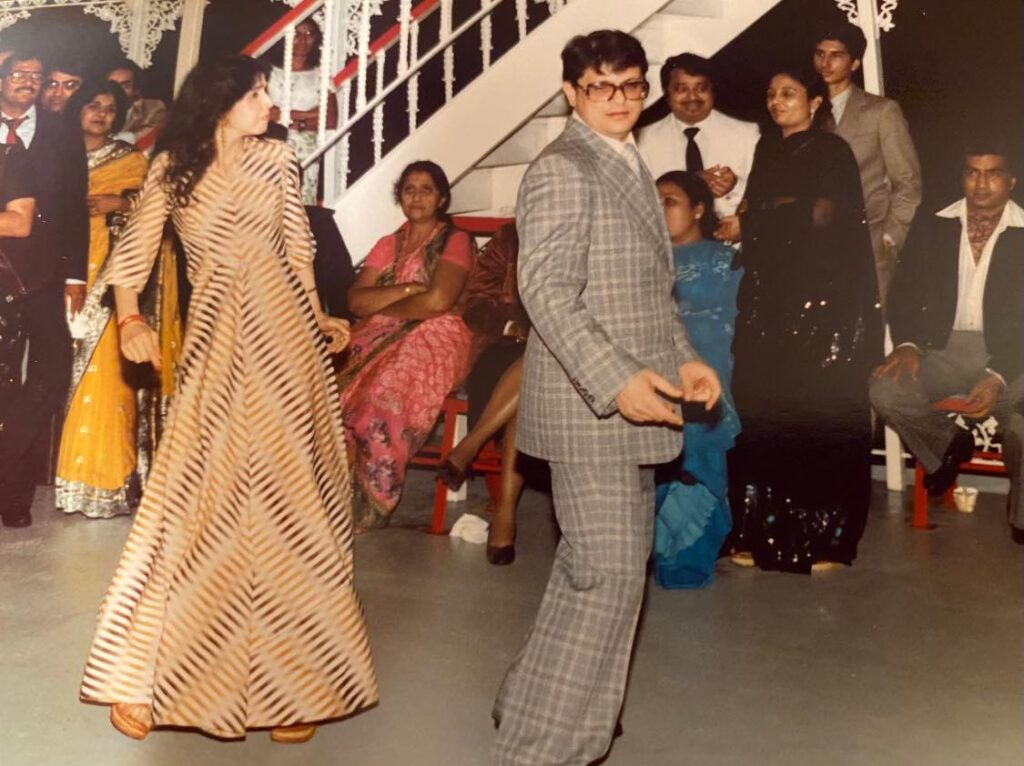
One of the most remarkable aspects of her journey that needs special mention has been the unwavering support of her late husband Dr. Majmudar, a doctor by profession, who stood by her like a pillar of strength throughout her life. Fondly remembering him, her eyes lit, she says, “We met in college in Ahmedabad, Gujarat College. He was a science student. I was an art student. But we had one thing in common, our love of literature and elocution, speaking. We both participated in a college debate as part of an elocution competition. Not only that, but we won two trophies. It was called the Gandhi Trophy. And the second one was called the Mahadevbhai Trophy for Elocution Competition.”
