




BY JYOTHSNA HEGDE
Atlanta, GA, April 17, 2026: The Consulate General of India in Atlanta, in collaboration with community stakeholders, observed Autism Acceptance Day with warmth, reflection, and a powerful message of inclusion and awareness. Held at the Consulate premises in Sandy Springs on April 11, the event brought together policymakers, healthcare professionals, researchers, educators, and families, creating a meaningful platform to celebrate neurodiversity while deepening understanding of autism.
Autism, or Autism Spectrum Disorder (ASD), is a neurodevelopmental condition that affects communication, social interaction, and behavior. It is described as a spectrum because individuals experience it in diverse ways, with varying strengths and support needs. According to the Centers for Disease Control and Prevention, approximately 1 in 31 children in the United States is diagnosed with autism, reflecting both increased awareness and improved screening practices. While autism exists across all communities, experts note that in Indian and broader South Asian populations, diagnosis is often delayed due to cultural stigma and limited access to early intervention resources, even though prevalence is believed to be comparable.
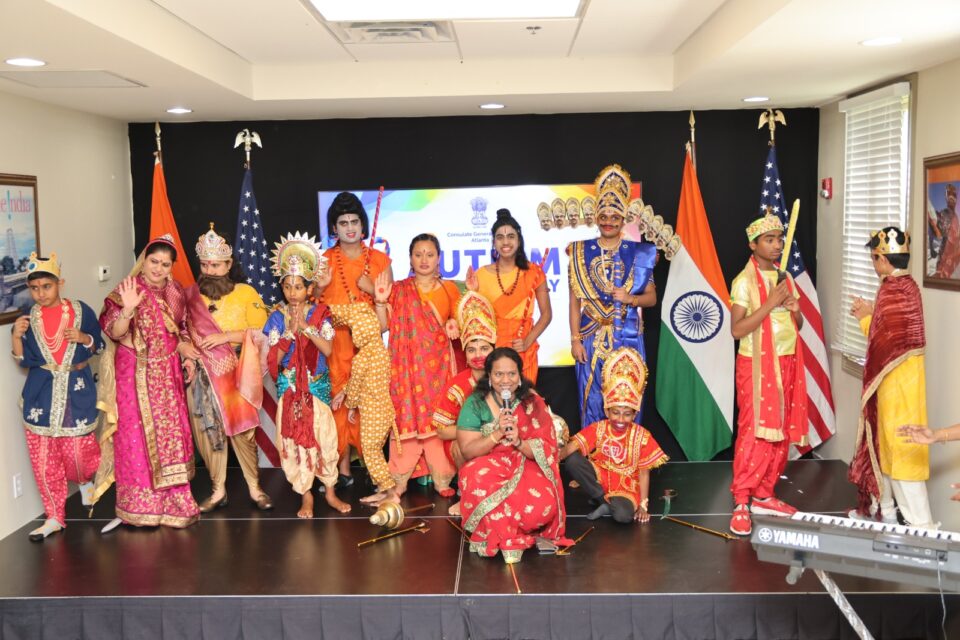
The Atlanta event opened on an inspiring and deeply moving note with vibrant cultural performances by the children of the WOW – Wonders of World Foundation. Their presentation of the Ramayana, expressed through dance and music, captivated the audience—not only for its artistic merit, but for the discipline, patience, and focus displayed by the young performers. Many of the children waited attentively for their turn, stepping onto the stage with quiet confidence and remarkable composure. Their ability to follow cues, remain present, and express themselves through movement stood as a powerful testament to their growth and potential.
Behind this heartwarming presentation was the unwavering dedication of parents, caregivers, and organizers, whose consistent efforts, encouragement, and belief made the performance possible. Their work transformed the stage into a space of joy, inclusion, and pride—where every child was seen, supported, and celebrated.
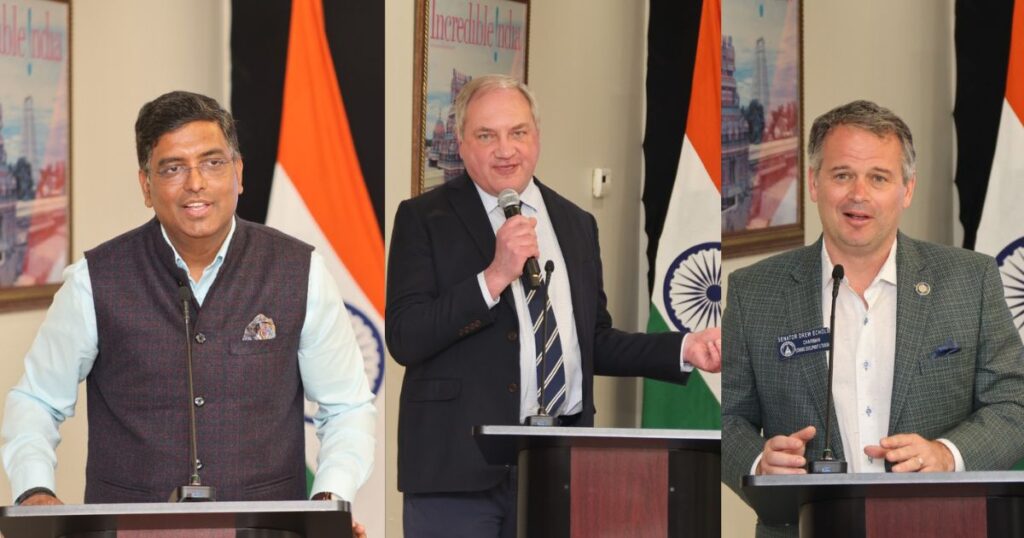
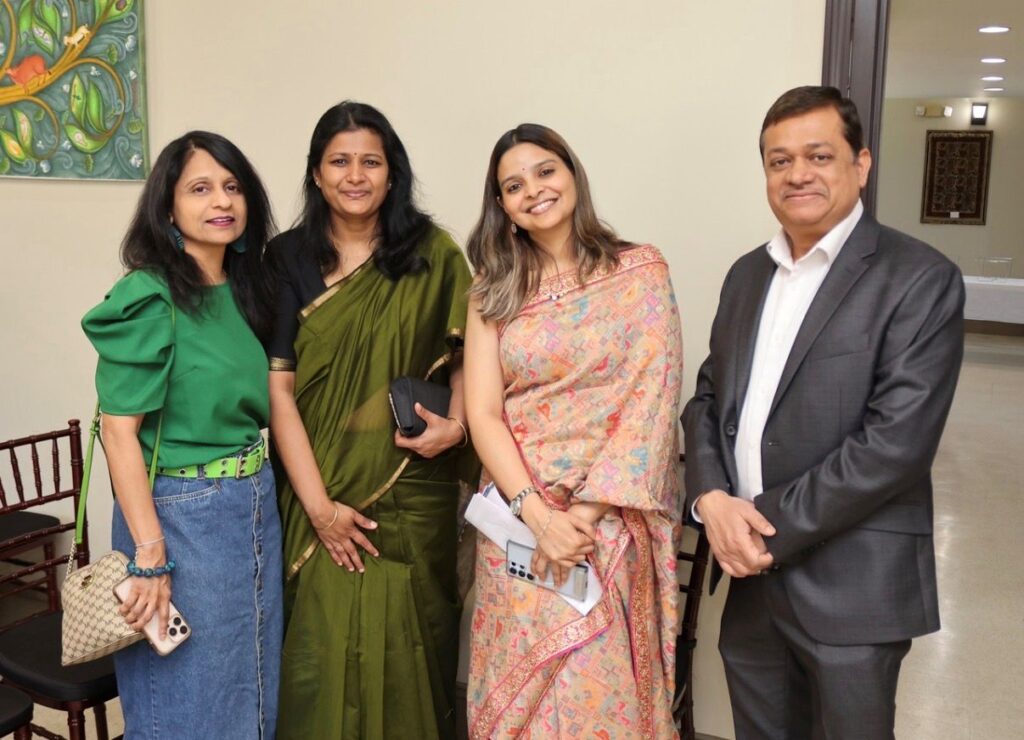
In his welcome remarks, Consul General of India in Atlanta, Hon. Ramesh Babu Lakshmanan, emphasized the importance of recognizing the unique strengths and perspectives that children with autism bring to society. He noted that every child carries a special gift and that it is a shared responsibility to create environments where these gifts can flourish with dignity and confidence. He also acknowledged the vision and leadership of Mrs. Renuga Devi Subramanian, whose efforts were instrumental in conceptualizing and organizing the event and in bringing together a wide network of stakeholders.
The significance of such initiatives is underscored globally. In India, where large-scale data remains limited, studies suggest autism prevalence ranges from approximately 0.1 percent to 1 percent. However, experts believe the actual numbers may be higher due to underdiagnosis and lack of awareness. Across the Indian American community, increasing engagement from organizations, healthcare providers, and families is helping bridge these gaps and promote earlier identification and support.
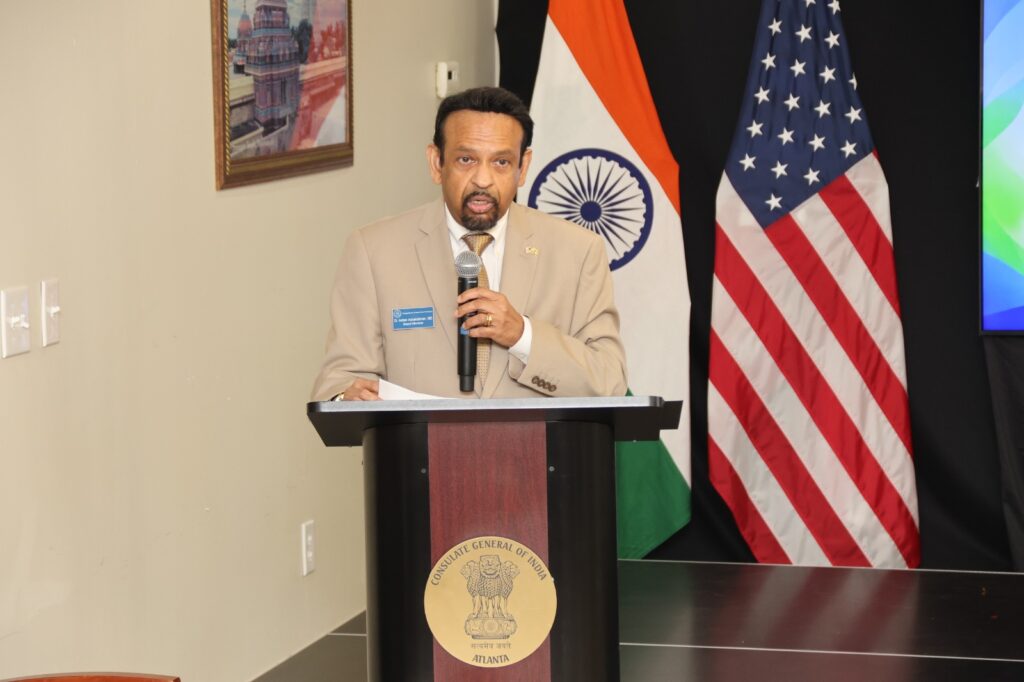
The keynote address by Dr. Indran B. Indrakrishnan on “Autism and Humanity: Building a World that Understands” brought both scientific clarity and emotional depth to the discussion. He explained that autism affects millions worldwide and reiterated that it is not a single condition, but a spectrum in which individuals vary widely in abilities and support needs. Many individuals on the spectrum demonstrate strengths such as creativity, analytical thinking, and deep focus—qualities that deserve recognition and nurturing.
Importantly, he challenged conventional perceptions, stating that autism is not a deficit of ability but a difference in the expression of ability. He emphasized that society’s role is not to “fix” individuals with autism, but to create conditions in which they can thrive. Reflecting on the lived realities of families, he remarked, “In autism care, the quiet heroes are not always in hospitals or institutions—they are at home, every single day.” His words highlighted the daily challenges families face in navigating healthcare systems, therapies, financial pressures, and emotional stress, particularly in immigrant communities where stigma and lack of awareness can delay support. He concluded with a powerful call to action: to replace stigma with knowledge, fear with compassion, and isolation with inclusion.
Adding a philosophical dimension to the program, a virtual message from Dr. Geshe Lobsang Tenzin Negi of Emory University focused on the transformative power of compassion. He spoke about compassion not merely as an emotion, but as a skill that can be cultivated through intentional practice. Emphasizing the importance of understanding individual experiences without judgment, he noted that when individuals with autism feel safe and accepted, their ability to engage and connect improves significantly. His message reinforced the importance of building emotionally supportive environments where differences are embraced rather than misunderstood.
From a policy perspective, Drew Echols shared heartfelt reflections as a parent of a child with special needs. His remarks underscored the importance of inclusion, dignity, and community acceptance, while also highlighting how lived experience can shape more meaningful and responsive policy. A video message from Brian Strickland further reinforced the state’s commitment, referencing expanded insurance coverage for therapies and legislation such as Rio’s Law, which promotes better training for law enforcement in interacting with individuals on the autism spectrum.
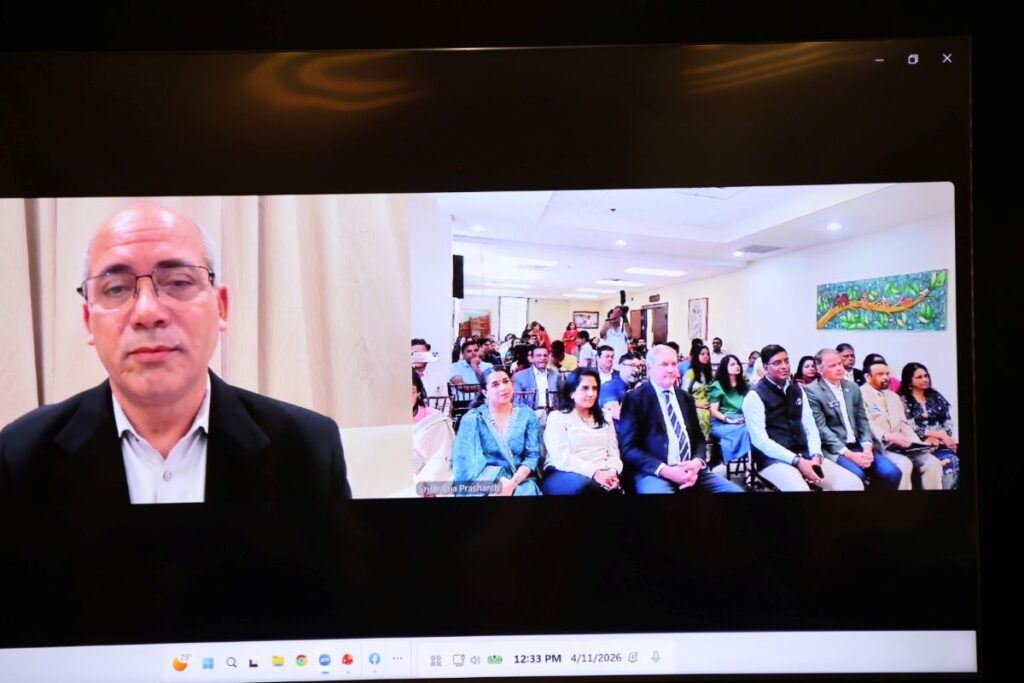
Scientific advancements were presented by Dr. Gordon Ramsay of the Marcus Autism Center, whose research focuses on early speech and language development. He explained that while autism is not defined solely by language deficits, many children on the spectrum experience communication challenges. His research highlights that early social interaction plays a critical role in language acquisition and that subtle developmental differences can often be identified within the first year of life. These insights underscore the importance of early screening and increased parent awareness as key factors in improving long-term outcomes.
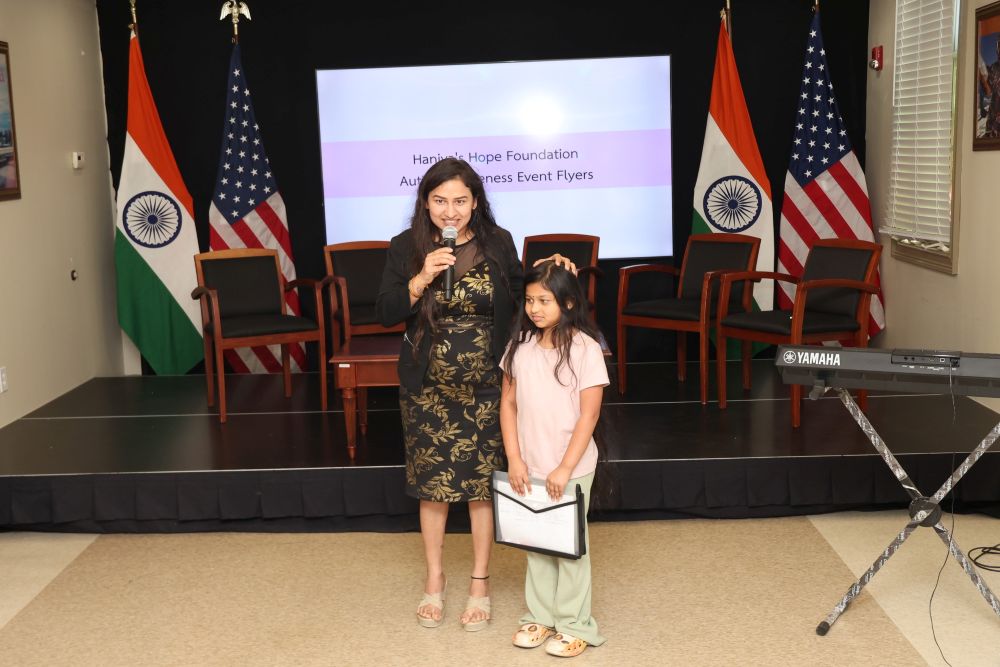
The event also featured presentations by Ms. Hadley Brown and Ms. Nanci Brown, along with a children’s showcase by Haniya’s Hope Foundation. Each segment contributed valuable perspectives on advocacy, education, and community engagement, reinforcing the idea that meaningful progress requires collaboration across disciplines and lived experiences.
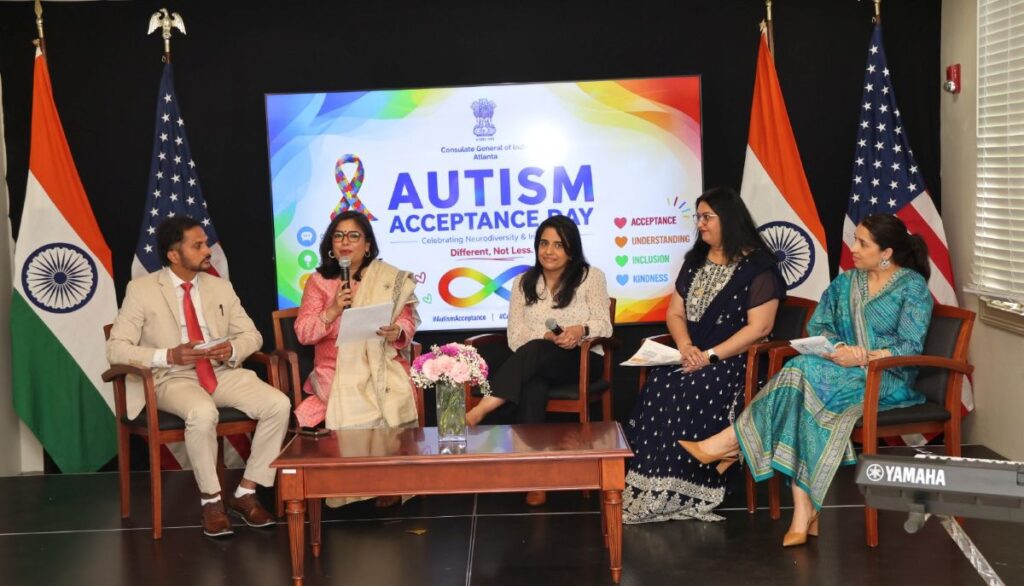
A panel discussion moderated by Dr. Priti Bandi brought together experts including Dr. Meena Lambha, Dr. Hetal Patel, Dr. Janardhan Pannela, and Ms. Hemali Vyas. The discussion provided practical guidance on early diagnosis, access to therapies, and building inclusive communities. Panelists emphasized the importance of reducing stigma, increasing awareness, and ensuring that families have access to timely, culturally sensitive resources. The exchange was both informative and empowering, offering tangible steps toward creating more inclusive systems of care.
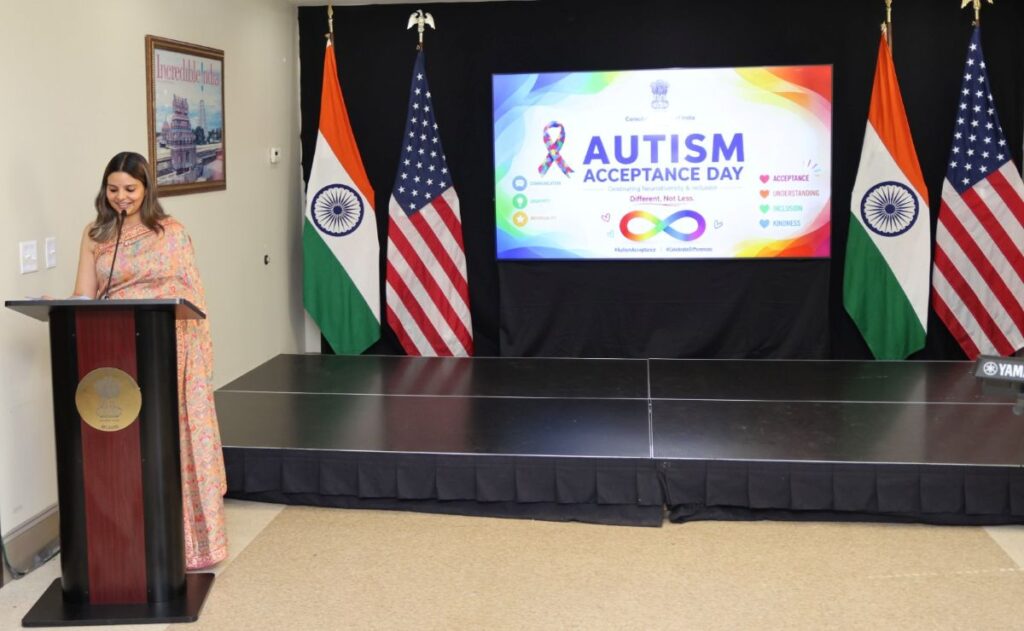
The program was seamlessly anchored by emcee Dr. Divya Singh, whose thoughtful moderation maintained a cohesive and engaging flow throughout the event.
Autism Acceptance Day itself has evolved from the broader global observance of World Autism Awareness Day, established by the United Nations and first observed in 2008. Over time, the focus has shifted from awareness alone to acceptance and inclusion—encouraging societies not only to understand autism, but to embrace neurodiversity and ensure equal opportunities for individuals on the spectrum.
The strong turnout and enthusiastic participation at the Atlanta event reflected a growing commitment within the community to foster a more inclusive and compassionate society. Families, professionals, and advocates came together not only to share knowledge, but to celebrate the diverse abilities and potential of individuals with autism.
As the event drew to a close, the essence of the event was captured powerfully in the words of organizer Renuga Devi Subramanian:
“It wasn’t an easy journey, hours of travel, repeated rehearsals, and long stretches of practice where every movement was shaped with patience and care. Costumes are not just fabrics to handle; transitions and unfamiliar environments demanded effort at every step. It may seem easy for others, but for children with autism, experiences like bright lights, loud sounds, waiting, or standing before an audience can feel overwhelming. Yet, with steady support, they moved through these challenges with quiet determination.
When they stepped onto the stage to present the Ramayana, the moment carried a deeper meaning. The story’s essence, good prevailing over evil, is reflected differently. Here, it was understanding rising over stigma, awareness replacing assumption, and acceptance taking the place of judgment. What unfolded was not just a performance, but a shift in perspective.
For those watching, emotion rose naturally. Tears rolled down not from sorrow, but from something deeper and more powerful.
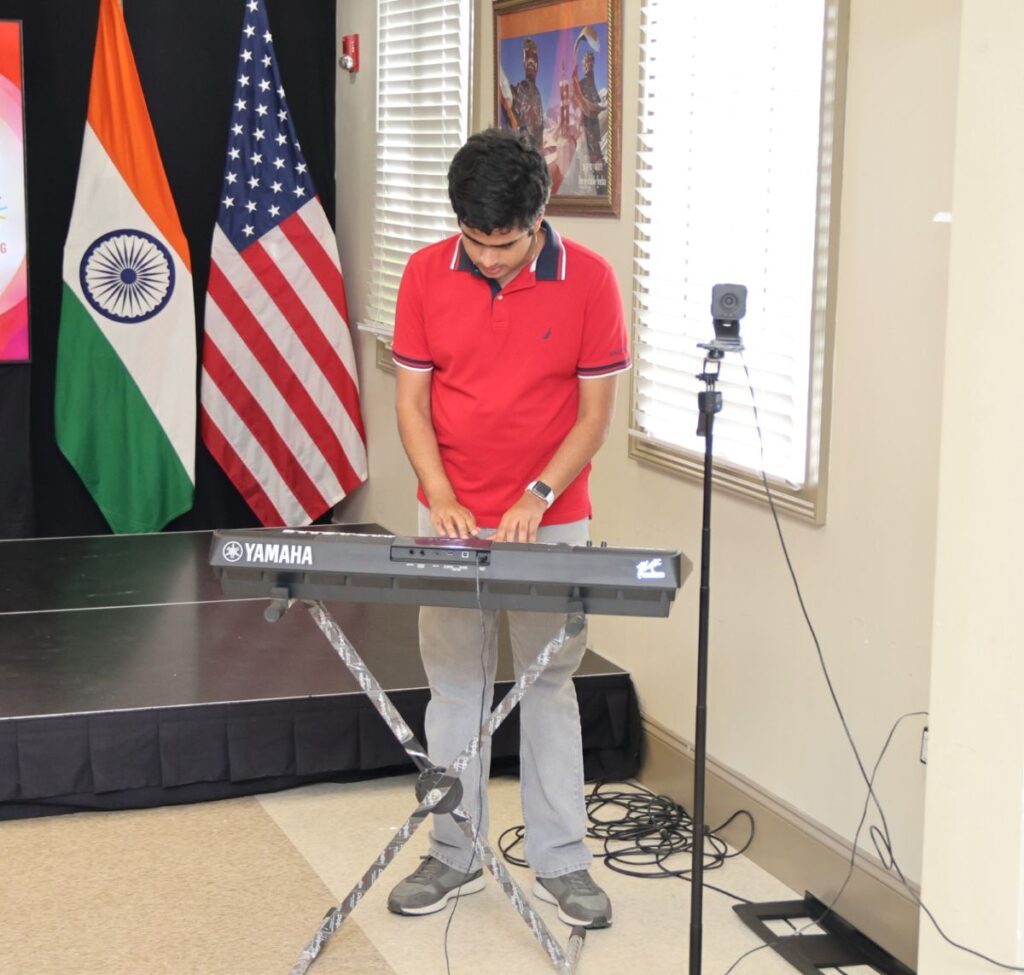
At the heart of this journey were the parents and teachers. Parents who held onto hope through every challenge, and teachers who patiently guided each step, turning effort into confidence. Their combined strength made this moment possible.
Let this not be a message remembered only in April, but a responsibility carried throughout the year. Inclusion is not a moment or a celebration; it is a continuous practice of awareness, acceptance, and action.
So let us come forward together not as separate roles, but as one shared commitment to listen, understand, include, and uplift. When a community stands together beyond occasions, every child and every family find not just support, but belonging.”