


NRI PULSE STAFF REPORT
Boulder, CO, January 15, 2025: What began as a routine lunch break for an Indian doctoral student at a U.S. university escalated into a civil rights lawsuit and a $200,000 settlement, after he alleged discrimination linked to cultural bias.
The case centers on Aditya Prakash, a PhD candidate in anthropology at the University of Colorado Boulder, who, in September 2023, was heating palak paneer—a common North Indian dish—in a shared departmental microwave. According to court filings, a staff member objected to the smell of the food, described it as “pungent,” and asked Prakash not to use the microwave for that purpose.
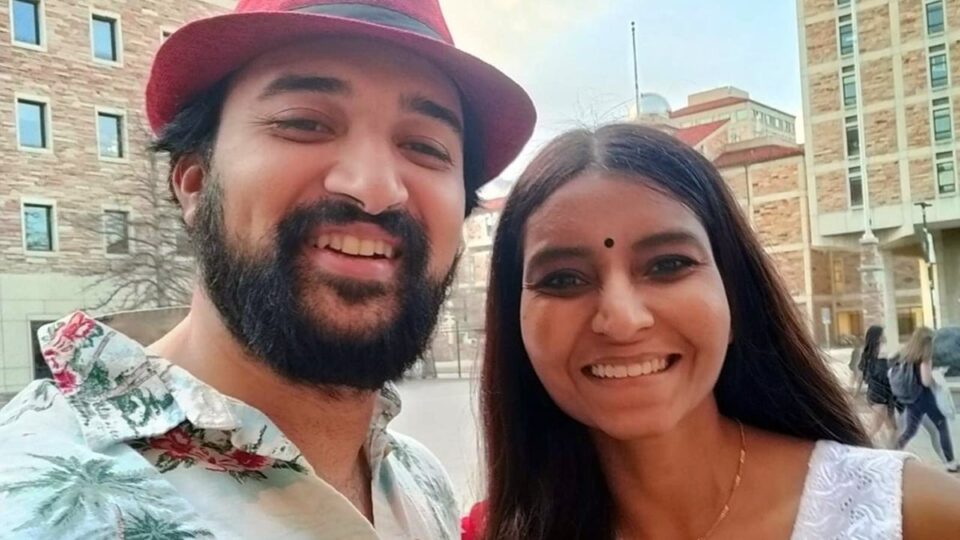
Prakash reportedly refused to comply, stating that he was entitled to heat his lunch and would leave shortly. The incident, however, did not end there. Prakash and his partner, Urmi Bhattacharyya, also a PhD student in the same department, later alleged that the university’s response escalated into a pattern of retaliation and discriminatory treatment after they raised concerns.
According to the lawsuit, Prakash was repeatedly summoned to meetings with senior faculty and accused of making staff members feel “unsafe.” Bhattacharyya alleged that she was removed from her teaching assistant position without a clear explanation. The couple further claimed that the department withheld Master’s degrees that are typically awarded to doctoral students as part of their academic progression.
In 2025, the two students filed a civil rights lawsuit in U.S. District Court in Colorado, arguing that the university’s actions amounted to discrimination based on race and national origin, and that certain departmental policies had a disproportionate impact on South Asian students.
In September 2025, the University of Colorado Boulder agreed to settle the case without admitting wrongdoing. Under the terms of the settlement, the university agreed to pay $200,000 to be shared by the two students and to confer the Master’s degrees they had sought. As part of the agreement, however, both Prakash and Bhattacharyya are barred from future enrollment or employment at the university.
Following the settlement, the couple returned to India. The case has since drawn wider attention, sparking debate about cultural sensitivity, inclusion, and how everyday practices—such as food habits—can become flashpoints for allegations of bias on U.S. college campuses.

1 comment
Many institutes, including ours, have guidelines to follow in break rooms, where the staff store, heat and eat foods. One such guidelines it not to use microwave oven for heating foods that emit strong or pungent odors. This is to not only make the break room friendly for all, but also to protect staff who can develop allergic reactions or cannot bear such strong odors. It is nothing to do with cultural insensitivity or discrimination. It is just a guideline to ensure that break room is friendly for all. Because of this, I used to have my own microwave oven in my office to heat spicy foods. Apparently, the doctoral student is ignorant of this and took it as a cultural issue and pursued it seriously. Nothing good came out of it. He and his partner lost the opportunity of securing a PhD from an American university. American protects individual rights, but it also expects to follow regulations at workplace and respect others’ needs or requests. I wish his attorney should have told him these facts. Thanks