


BY VIJAY BALAN*
“Take nothing on its looks; take everything on evidence. There’s no better rule.” Mr Jaggers’ words from Charles Dickens’ seminal work Great Expectations came to mind as I read a recent article in The Guardian, Most Indians don’t read for pleasure-so why does the country have 100 literature festivals?
Although changed since its original publication, the title telegraphs the three main points made in the article:
- In India, a book published in English sells only 3000 to 4000 copies- a sale of 10000 copies or more is considered bestseller territory,
- Despite a profusion of literature festivals (more than 100 the article suggests), book sales do not break that average ‘paper ceiling’, and
- The humbling numbers are because “India does not have a great book-reading tradition”.
Following Mr Jaggers’ dictum, I checked the evidence. It is true that most books published in India only sell about 3000 copies, if that. But as was the case with the six blind men of Indostan who went to see an elephant, the facts raise questions when viewed from different perspectives. Sobering average sales figures resonate across the globe. In the United States, the number for a professionally published book hovers around 3000; for self-published books, it can be as dismally low as 250! The United Kingdom market echoes an identical norm of 3000. The figures offer food for thought as both are predominantly English-speaking countries where shelf-space is not crowded by books in other languages. Thus, India is not alone in malaise.
Unless not having a “great book-reading tradition” is a global phenomenon, what could explain this reality? A candidate is the explosion of books published, while population growth, and therefore the available number of readers, has remained flat. The change in media mix that includes e-books and audiobooks exacerbates market saturation. “Book-reading tradition” apart, basic commercial logic dictates that too many products chasing a constrained market results in meagre per product sales- in India, the US, the UK or anywhere else.
Averages notoriously hide nuances. Despite modest industry norms, books by celebrity authors and breakthrough works by lesser-known scribes sometimes do phenomenally well, with sales in the hundreds of thousands. It is important to remember that those successes, particularly newbie runaways, are black swans; rare indeed, but valuable in offering hopeful beacons to many wallowing in dark chasms between dream and reality.
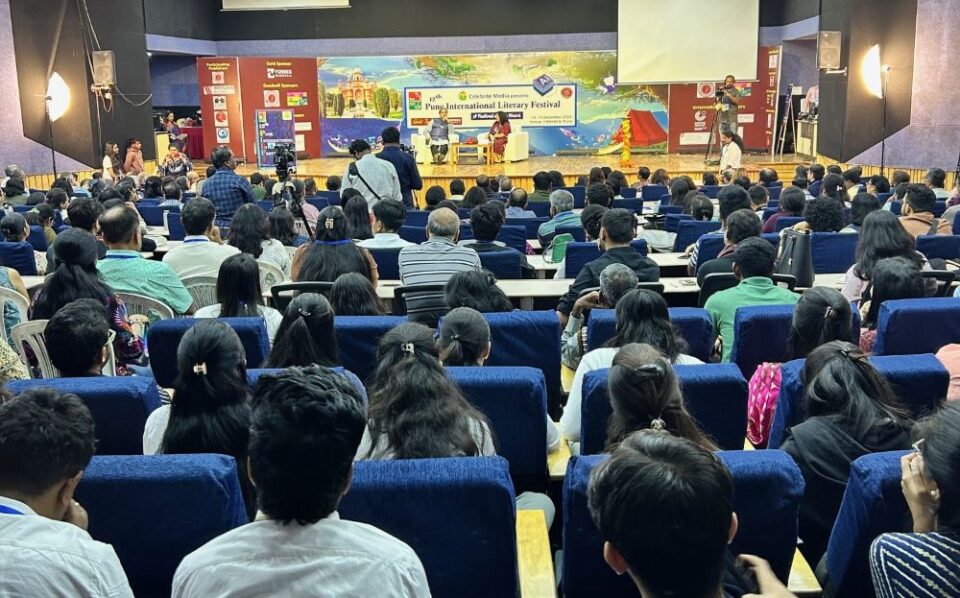
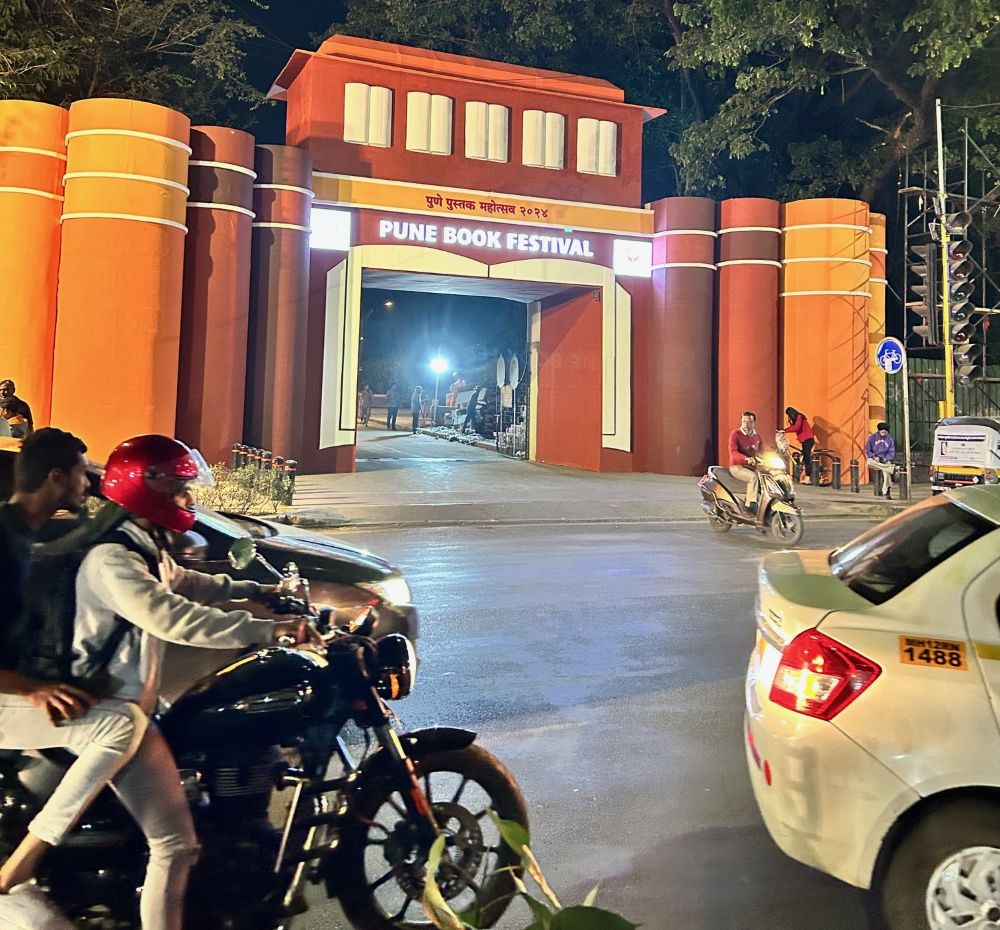
India has indeed seen a mushrooming of literature festivals. If you’ll allow me to move from evidence to opinion, I submit, as a writer who has spoken at six festivals (5 in India and 1 in the US), that an expectation to move books at these events is misplaced. While crowded bookstalls at festivals may suggest otherwise, a key purpose of a literature festival is to provide a forum for learning and exchange; robust book sales are bonuses. Beyond building awareness of one’s own work, festivals offer opportunities to meet, hear and learn from some of the finest practitioners in myriad genres of writing as a craft- yes, despite the robotic intrusions of AI, I see writing as a craft. I have made valuable connections and friendships at these events that have enriched my life, with emphasis on the non-pecuniary meaning of the verb ‘enriched’. My festival experiences continue to help me in my writing journey.

I spent years marketing technology around the globe before putting finger to keyboard to write a book about little-known history. An arguably stretched analogy to a literature festival is an industry trade show. Trade shows were venues where one learned about industry evolution, made connections, and gathered leads that sometimes led to sales down the road. One did not expect to close deals at a trade show. That lens has helped me view Lifests in a different light.
There are aspects to literature festivals akin to fetes or ‘melas’, to use a term closer home. But pageantry and music should not come in the way of shaping expectations.
Vijay Balan is a rocket scientist turned storyteller. His book The Swaraj Spy (Harper Collins 2022) reveals the little-known story of the Indian National Army (INA)’s espionage wing in World War 2.
