



NRI PULSE STAFF REPORT
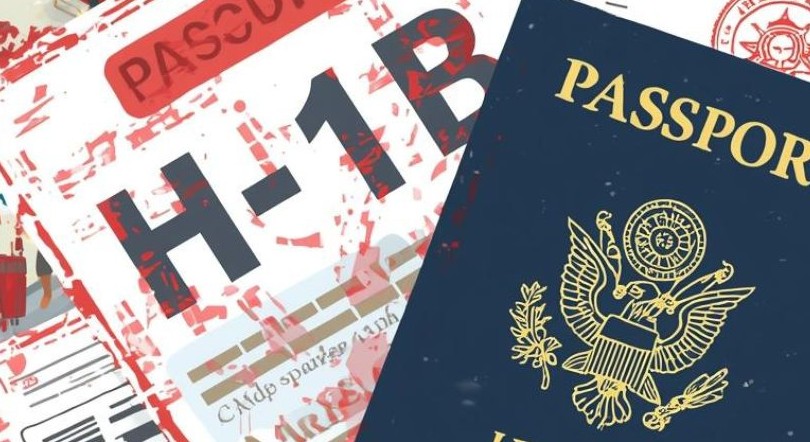
New Delhi, India, January 27, 2026: Thousands of Indian professionals seeking to work in the United States are facing long waits for their H-1B visa interviews, with most available appointments now postponed into 2027. The change affects U.S. consulates in New Delhi, Mumbai, Chennai, Hyderabad and Kolkata, where regular visa-stamping slots for the calendar year 2026 have largely disappeared.
The backlog began in December 2025, when many interviews scheduled for late 2025 were moved first to early 2026 and then repeatedly delayed to later months. Now, according to immigration sources, the first open dates in many cases are in the first quarter of 2027 or beyond.
Why Are Interviews Being Delayed?
Officials and immigration experts point to several causes:
- Increased Vetting Procedures: New screening requirements — including mandatory social media checks for employment visas — have slowed down consular processing.
- High Demand and Backlogs: With no expansion in interview capacity, consulates are struggling to clear a growing number of cases.
- End of Third-Country Stamping: The option for some Indian visa holders to get interviews in other countries has been reduced, concentrating demand in India.
Who Is Affected?
The delays affect both Indian professionals inside the United States who need to renew or stamp their visas, and those in India waiting for their first appointment. Immigration lawyers are advising many holders of H-1B visas not to travel to India in 2026 unless absolutely necessary, as they risk being unable to return to the U.S. without a valid visa stamp.
Impact on Workers and Employers
The delays are creating uncertainty for workers and companies alike. Some U.S. employers rely on Indian talent in technology, engineering and healthcare. With interviews pushed far into the future, businesses are exploring alternatives, including remote work arrangements or temporary assignments outside India.
Family plans are also affected. Many professionals who planned short visits home now face long separations from children, spouses and elderly relatives because booking an interview and re-entering the U.S. has become difficult and unpredictable.
Looking Ahead
There is no clear sign that the situation will improve soon. Immigration experts say consulates are unlikely to add large numbers of interview slots in the short term, and some applicants may have to wait well over a year for appointments.
For now, many visa holders are carefully reviewing travel plans and seeking legal advice on alternatives. Some hope that policy changes or expanded interview-waiver programs may ease the backlog in the longer term, but for most the wait will continue into 2027.
