




NRI PULSE STAFF REPORT
A visit to Indore by an Indian American community leader has reignited discussion about how sustained civic participation and municipal discipline can transform Indian cities.
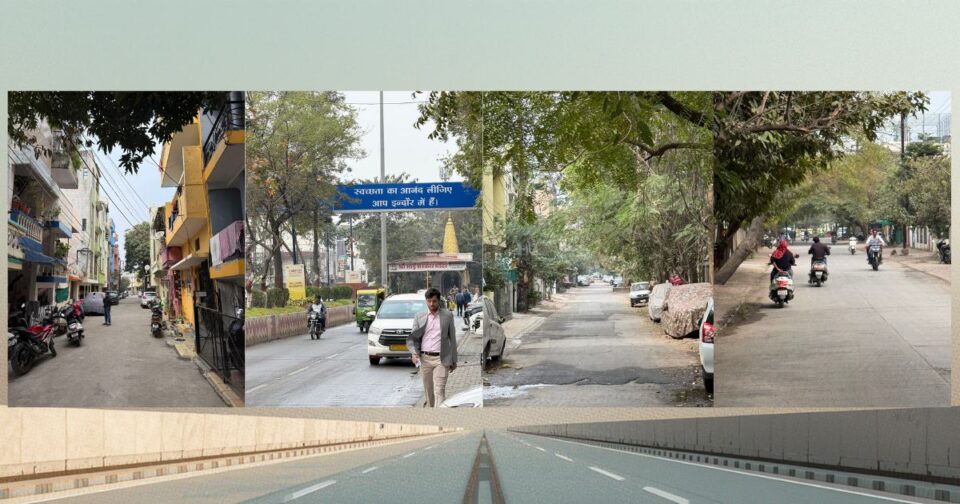
In a widely shared post on X, Suhag A. Shukla, Executive Director of the Hindu American Foundation, praised Indore’s cleanliness, remarking on what was missing from her photographs: trash. Calling the city’s progress a decade-long “parivartan,” Shukla asked why similar results have not been achieved elsewhere in India.
“Wow Indore…leaving today, deeply impressed. Come on India…this is possible!” Shukla wrote, underscoring her belief that Indore’s success can be replicated nationwide.
In her post, Shukla observed that while residents acknowledge the role of district administrators and former mayor Malini Gaur, they consistently stress that the deeper change lies in public behavior. “This is citizen participation at its finest,” she wrote.
Comments responding to the post echoed that sentiment. One user credited Indore’s success to its people and long-standing civic values, invoking the legacy of Devi Ahilya Bai Holkar, and highlighting bipartisan political cooperation over the years. Another commenter distilled the lesson even further: “This is all we need. Please don’t litter. That’s all.”
How Indore Did It
Indore’s reputation as India’s cleanest city did not emerge overnight. The city has topped the national Swachh Survekshan rankings multiple times, following a series of systemic changes introduced over the past decade.
At the core of Indore’s model is mandatory waste segregation at source, with households required to separate wet and dry waste. This is backed by 100 percent door-to-door garbage collection, sharply reducing open dumping. Spot fines are imposed for non-compliance, while sanitation workers are empowered to refuse improperly segregated waste.
The city has also invested in waste processing and recycling infrastructure. Organic waste is converted into compost and bio-CNG, which fuels municipal buses, while dry waste is routed through material recovery facilities that improve recycling rates and reduce landfill pressure.
Another key feature is continuous monitoring and community enforcement. Roving cleanliness inspectors, CCTV cameras in dumping-prone areas, and early-morning street sweeping are routine. Equally important is neighborhood-level peer accountability, with residents and shopkeepers playing an active role in keeping their surroundings clean.
A Lesson for the Rest of India
Indore’s experience offers clear lessons for other Indian cities, said Yaminni Verma, General Manager at Shrishti Waste Management Services, who works closely with the city’s cleanliness program.
She said Indore shows that separating wet and dry waste at home is possible and that residents do cooperate when the rules are simple and followed consistently. Verma stressed that municipal corporations must support these efforts at every step — from collecting garbage to moving it and processing it properly — and not leave residents to manage on their own. She cautioned cities against spending large amounts of money on waste-to-energy plants before changing public habits, saying the focus should first be on teaching people how to separate waste through awareness campaigns, help from NGOs and community groups, and regular monitoring.
“Good habits take time to build,” she said, adding that cities must keep up these efforts until waste segregation becomes a routine part of daily life for citizens.
Indore’s experience continues to be cited by urban planners and policymakers, but Shukla’s remarks have added a fresh, diasporic voice to the conversation — reinforcing the idea that clean cities are not just the result of policy, but of everyday civic choices made by millions of residents.
Cover Photos by Suhag Shukla/X.
